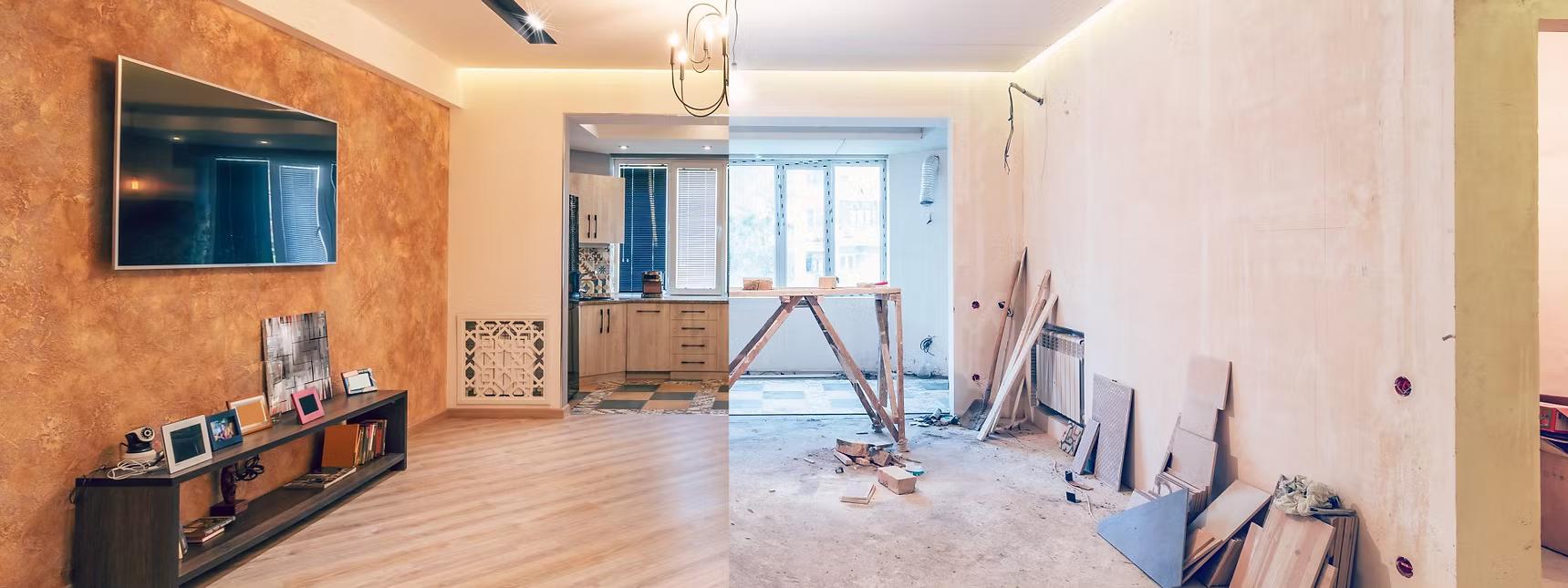
Most Seattle homeowners don't start with a grand plan. They start with a bathroom that's been embarrassing guests for a decade, a kitchen that hasn't been touched since the Carter administration, and drywall that shows every repair from every previous owner. Then they start adding it up and realize they want someone who can handle more than one room at a time.
That's when the search for a whole house remodel contractor begins. And that's also when the questions pile up: What does a full home renovation actually involve? Who handles what? How much will this cost in Seattle, where labor runs higher than most of the country? This guide answers those questions plainly.
What "Whole House Remodel" Actually Means
Cosmetic refresh vs. Structural renovation
The phrase covers a wide range. On one end, a cosmetic refresh means new paint throughout, updated fixtures, cabinet hardware, and maybe flooring. No permits required. Work can move fast. On the other end, a structural renovation means moving walls, relocating plumbing fixtures, adding circuits, or opening up a floor plan. That work triggers permits from Seattle's Department of Construction and Inspections (DCI) or the relevant King or Pierce County office.
Most homeowners land somewhere in the middle: kitchens and bathrooms gutted and rebuilt, drywall repaired or replaced, new paint, and updated finishes. That mid-scope work is where a remodel contractor adds the most value.
Which trades are involved and in what order
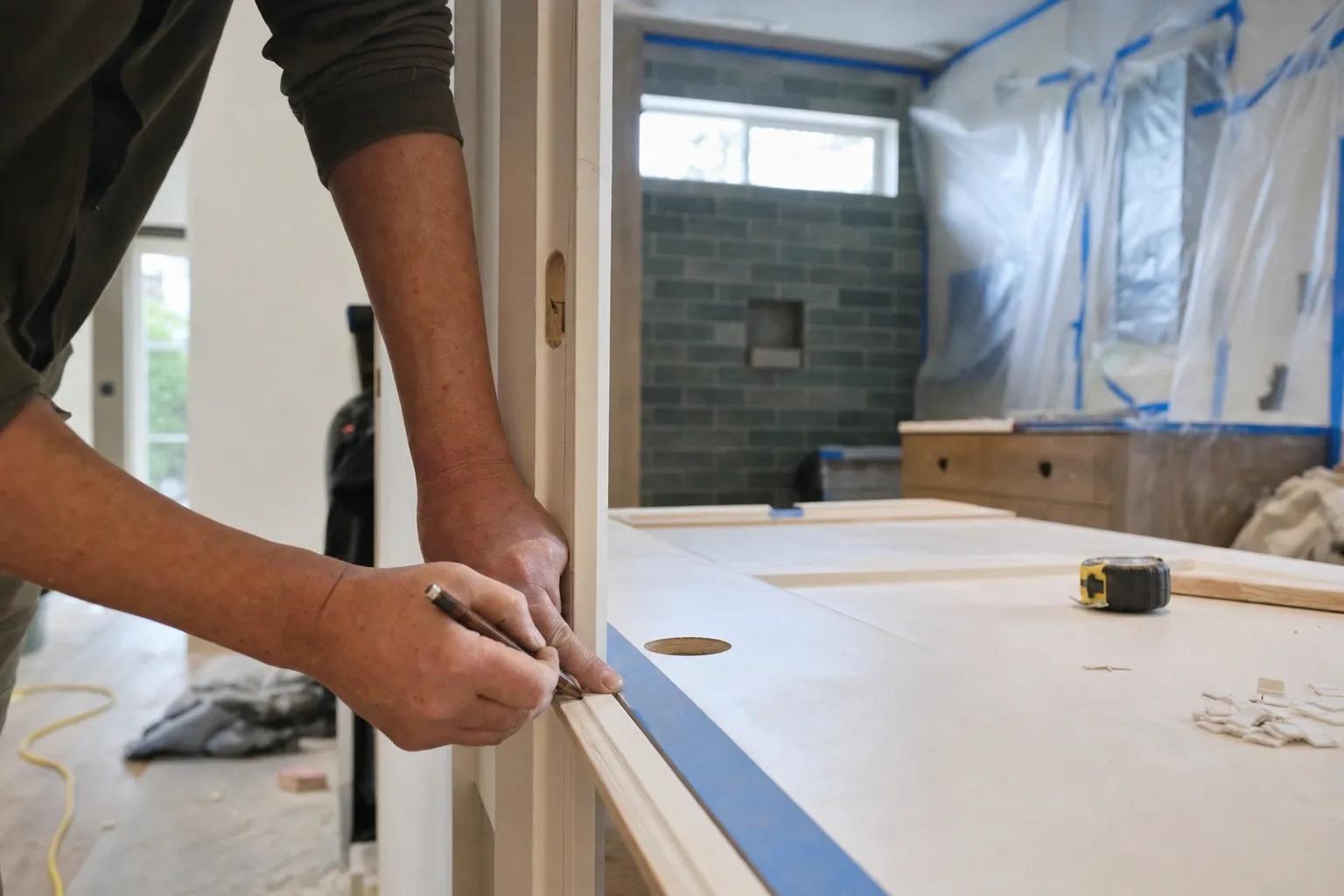
Sequencing is everything. Get it wrong and you're paying to redo finished work. The general order runs like this: demolition first, then any rough-in work (framing changes, plumbing relocations, new electrical circuits) handled by licensed subs before walls close. Inspections happen at that stage, not after the drywall goes up. Then drywall, tile, cabinets, paint, and finally fixtures and hardware as the punch list wraps up.
Skipping that order creates expensive problems. If a plumber moves a drain line after tile is set, you're cutting into new tile. WA L&I requires contractor registration for most of this work, and pulling permits means inspectors verify rough-in before finish work begins. That's a feature, not a bureaucratic hassle.
Common Scope for Seattle-Area Home Renovations
Kitchens and bathrooms: the highest-impact rooms
In the craftsman bungalows of Seattle's older neighborhoods and the mid-century homes scattered across Renton, Burien, and Federal Way, kitchens and bathrooms are almost always the rooms that need the most work. Original tile from the 1960s, galley kitchens with no counter space, single-pane windows in bathrooms that fog constantly. Updating these two rooms drives more value per dollar than almost anything else in a whole home renovation.
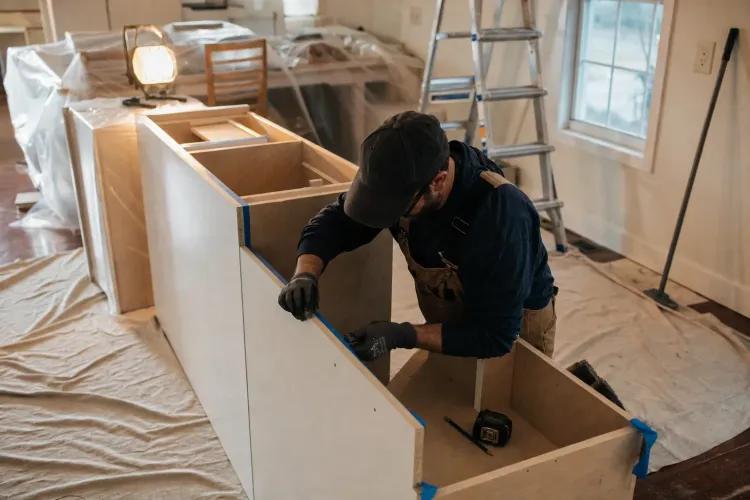
Our bathroom and kitchen remodel services cover tile work, cabinet installation, fixture upgrades, drywall, and painting. For a detailed look at what the numbers look like, the kitchen remodel cost planning guide for Seattle breaks down where the money actually goes.
Crawl space and moisture work that often surfaces during remodels
Here's something that surprises a lot of homeowners: once you open walls in a Puget Sound home, you find moisture. Not always catastrophic, but often enough that it changes the project. Vented crawl spaces under older Seattle craftsman homes accumulate ground moisture year-round. That moisture wicks into subfloor material, softens joists, and shows up as soft spots underfoot or mold smell in lower rooms.
We've pulled tile in more than a few bathrooms and found the subfloor saturated beneath. Addressing that before laying new tile isn't optional. Crawl space encapsulation and insulation is a logical addition to any remodel scope in this climate, and catching the problem during a remodel is far cheaper than addressing it later as a standalone emergency.
What falls outside a typical remodel contractor's scope
Be clear-eyed about this. A remodel contractor handles kitchens, bathrooms, carpentry, drywall, paint, and finish work. Roofing, full electrical re-pipes, HVAC system replacements, sewer or septic work, and foundation pours belong with specialists. We don't do those. If a scope assessment reveals your project needs that work, we'll tell you before taking the job.
How a Multi-Room Remodel Gets Planned and Sequenced
Starting with a scope document, not a price
A contractor who quotes a price before writing a detailed scope document is guessing. And you'll pay for that guess in change orders. A proper scope document lists every room, every task, every material specification, and the order things happen. It also identifies known unknowns: "bathroom subfloor condition unknown until tile demo."
That last part matters most in pre-1980 housing stock. Behind walls in older craftsman and mid-century homes, you find knob-and-tube wiring, galvanized pipes, and framing that's shifted over decades. A good scope document flags those risks so they don't blow your budget mid-project.
The order of operations that keeps costs predictable
Walk through a realistic sequence for a kitchen and bathroom renovation running simultaneously:
- Demo: cabinets, tile, drywall, and fixtures come out. Subfloor and framing get inspected.
- Rough-in: any plumbing relocations, new electrical circuits, or framing changes happen now. Permits are pulled where required (Seattle DCI for structural or electrical; King County permits office for unincorporated areas).
- Inspection: city or county inspector signs off on rough-in before walls close. This is non-negotiable if permits are involved.
- Drywall: drywall repair and patching or full new drywall goes up, taped, mudded, and textured to match existing walls.
- Tile and cabinets: these happen in parallel or in sequence depending on the room layout.
- Paint: primer and finish coats after all major surfaces are set.
- Fixtures and hardware: toilets, faucets, light fixtures, cabinet pulls, and door hardware install last so they don't get damaged during other work.
- Punch list: the final walkthrough catches anything incomplete or not up to spec.
Phasing work across seasons is a real strategy. Bathrooms one summer, kitchen the next. It spreads the cost and keeps at least one functional kitchen or bathroom available at all times.
Write the scope document before you write the check. Vague agreements lead to change orders, and change orders are where renovation budgets fall apart.
Cost Factors for a Whole Home Remodel in the Seattle Area
Labor costs in King and Pierce counties run meaningfully higher than national averages. That's the baseline reality for any home remodel cost in Seattle. Materials also carry Northwest markups, and lead times for tile, cabinets, and fixtures can run four to twelve weeks depending on what you've specified. Build that into your schedule.
The table below compares three common renovation tiers by scope, timeline, permit needs, and relative cost level.
| Renovation Tier | Typical Scope | Permit Likely? | Rough Timeline | Relative Cost |
|---|---|---|---|---|
| Cosmetic Refresh | Paint, fixtures, hardware, flooring, minor drywall | Usually no | 2-4 weeks | Lower |
| Mid-Scope Remodel | Kitchen + bathroom gut, new tile, cabinets, drywall, paint | Often yes (electrical/plumbing moves) | 6-12 weeks | Mid-range |
| Structural Renovation | Wall removal, layout changes, full system updates, multiple rooms | Yes | 3-6+ months | Higher |
For deeper detail on bathroom numbers, see what labor costs look like for a Seattle bathroom remodel. If you're weighing kitchen cabinet options specifically, the guide on cabinet refacing vs. Full replacement can help narrow your scope before you budget.
One practical note on phasing: doing bathrooms one season and the kitchen the next isn't a compromise. It's a legitimate budget strategy that gives you time to save, lets you apply lessons from the first phase, and keeps the project from overwhelming your household all at once.
What to Expect Working with Handyman ST on a Seattle Remodel
How we scope and stage the work
We handle kitchens, bathrooms, drywall, interior and exterior painting, carpentry, and crawl space work. We don't do roofing, full plumbing re-pipes, HVAC installations, or foundation work. That boundary matters because it shapes what we quote and how we plan.
When we assess a renovation project, we walk the space with you, note visible conditions, and flag likely hidden issues based on the home's age and construction. Pre-1980 craftsman bungalows in Seattle and mid-century homes in Renton or Tacoma have predictable tendencies: galvanized supply lines near the end of their service life, soft spots in bathroom subfloors, and original single-pane windows with failing glazing compound. We'd rather surface those before starting than discover them mid-project.
Seattle-area conditions that affect scheduling
Interior work runs year-round without issue. Exterior painting is different. Paint needs dry conditions and temperatures above roughly 50°F to cure properly. In the Pacific Northwest, that means the reliable exterior painting window runs June through September. Schedule exterior finish work outside that window and you're fighting the weather.
We serve homeowners across King and Pierce counties: Seattle, Bellevue, Redmond, Issaquah, Sammamish, Renton, Kent, Federal Way, Auburn, Burien, Des Moines, Tacoma, Puyallup, Bonney Lake, and Sumner. Conditions vary a bit across that geography; north-facing siding in Seattle's hillside neighborhoods gets far less sun than south-facing walls in Puyallup, and that affects both paint selection and surface prep requirements.
DIY vs. Hiring a Contractor: Where to Draw the Line
Some tasks are reasonable DIY for a competent homeowner. Others look approachable until you're two hours in and realize you've opened up something much larger. Seattle's older housing stock raises the stakes on that second category.
| Task | DIY Realistic? | Why It Gets Complicated |
|---|---|---|
| Small drywall patches | Yes, with patience | Texture matching is harder than it looks; blending takes practice |
| Cabinet installation | Possible, but risky | Out-of-plumb walls in older homes make leveling time-consuming |
| Floor tile | Simple patterns only | Soft subfloors crack grout lines; layout errors are expensive to undo |
| Interior painting | Yes | Prep work (sanding, priming, caulking) is where most DIY results fall short |
| Moving walls or plumbing | No | Requires permits and licensed subs; unpermitted work creates resale problems |
WA L&I requires contractor registration for most structural or permit-required work. Before signing with any home renovation contractor in the Puget Sound area, run through this checklist:
- Verify the contractor is registered with WA L&I (use their public contractor lookup).
- Confirm they carry general liability insurance and ask for a certificate.
- Ask for a written scope of work before any money changes hands.
- Request references from similar projects in your area, and actually call them.
- Ask specifically how they handle unexpected discoveries mid-project.
- Confirm which permits they'll pull, and who is responsible for scheduling inspections.
If you're still figuring out whether to hire out or tackle parts yourself, the guide on how to find and hire local handyman services in the Seattle area covers how to evaluate contractors for work at any scale.
Frequently Asked Questions
Do I need a permit for a whole house remodel in Seattle?
It depends on the scope. Cosmetic work like painting, cabinet swaps, or flooring typically doesn't require a permit. Moving walls, adding circuits, or relocating plumbing fixtures usually does. Seattle DCI and WA L&I are the right starting points for your specific project. When in doubt, pull the permit; unpermitted work can create real problems at resale.
How long does a whole home renovation take in the Seattle area?
A cosmetic refresh across several rooms might take two to four weeks. A mid-scope remodel touching kitchens, bathrooms, and drywall often runs six to twelve weeks. Material lead times and permit approval windows in King and Pierce counties can extend that. Phasing the work by room is one practical way to keep the project manageable for your household.
Can I live in my home during a whole house remodel?
Often yes, if the work is phased room by room and the kitchen or at least one bathroom stays functional throughout. Dust, noise, and occasional utility shutoffs are realistic expectations. If both bathrooms and the kitchen are out of commission simultaneously, most homeowners find temporary housing for that stretch makes more sense than trying to work around it.
What's the difference between a handyman contractor and a general contractor for remodels?
A general contractor typically manages multiple licensed subcontractors for large structural projects. A handyman remodel contractor like Handyman ST handles mid-scope work directly: kitchens, bathrooms, drywall, paint, and carpentry. For projects that don't require moving load-bearing walls or full system replacements, a handyman contractor is often faster and more straightforward to coordinate.
How do I find a trustworthy remodel contractor in King or Pierce County?
Start by verifying the contractor is registered with WA L&I's contractor lookup. Ask for references from similar projects, get a written scope of work before any money changes hands, and confirm they carry liability insurance. Local experience with Puget Sound's climate and housing stock matters more than a low opening bid.