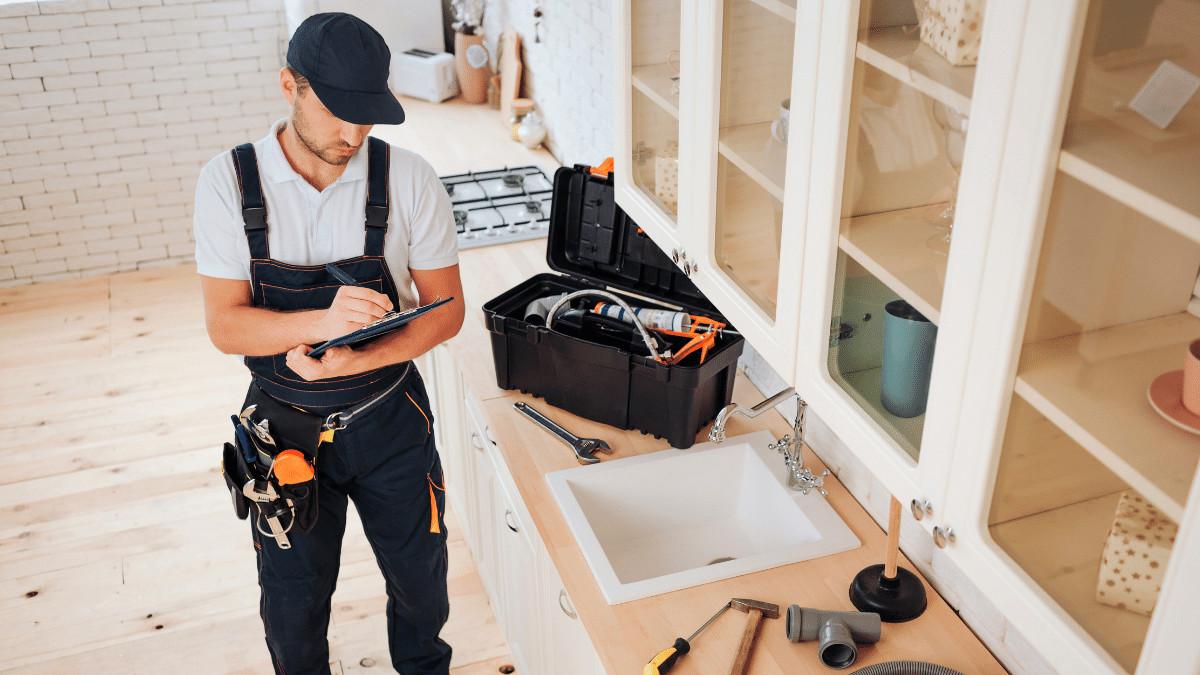
Most people don't wake up thinking, "I need a handyman." They wake up to a door that won't latch, a TV still sitting on the floor three weeks after it arrived, or a drywall hole from a doorknob that finally went all the way through. The search for local handyman services near you starts with a specific problem, not a vague impulse.
That distinction matters because it shapes what kind of service call you actually need. A single quick fix might take less than an hour. A list of four or five deferred repairs is a different kind of visit. Knowing roughly what you need before you call saves everyone time.
It also helps to understand where a handyman fits in Washington's contractor landscape. A general handyman handles a wide range of maintenance and repair tasks without requiring a specialty trade license. Electrical panel work, full plumbing re-pipes, and roofing are different categories entirely, handled by licensed specialty contractors. We'll get into those boundaries below.
What a Local Handyman Can (and Can't) Do
Common jobs a handyman handles
The scope of solid general handyman services is broader than most homeowners realize. If something around your house is broken, stuck, loose, sagging, or just never got installed in the first place, it probably falls in this category.
- Door and window repairs. Sticking frames, broken locks, worn weatherstripping
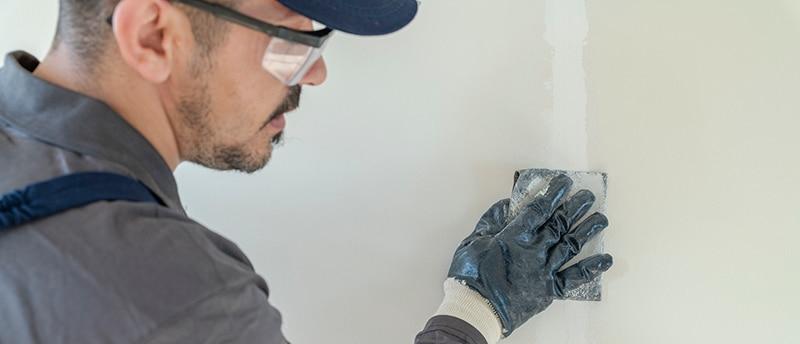
- Drywall patching. Holes, cracks, and water-damaged sections
- TV mounting and wall decor installation
- Custom shelving and storage solutions
- Furniture and gym-equipment assembly
- Caulking around tubs, windows, and exterior trim
- Minor fixture swaps. Faucets, light fixtures, outlet covers
- Screen installation and repair
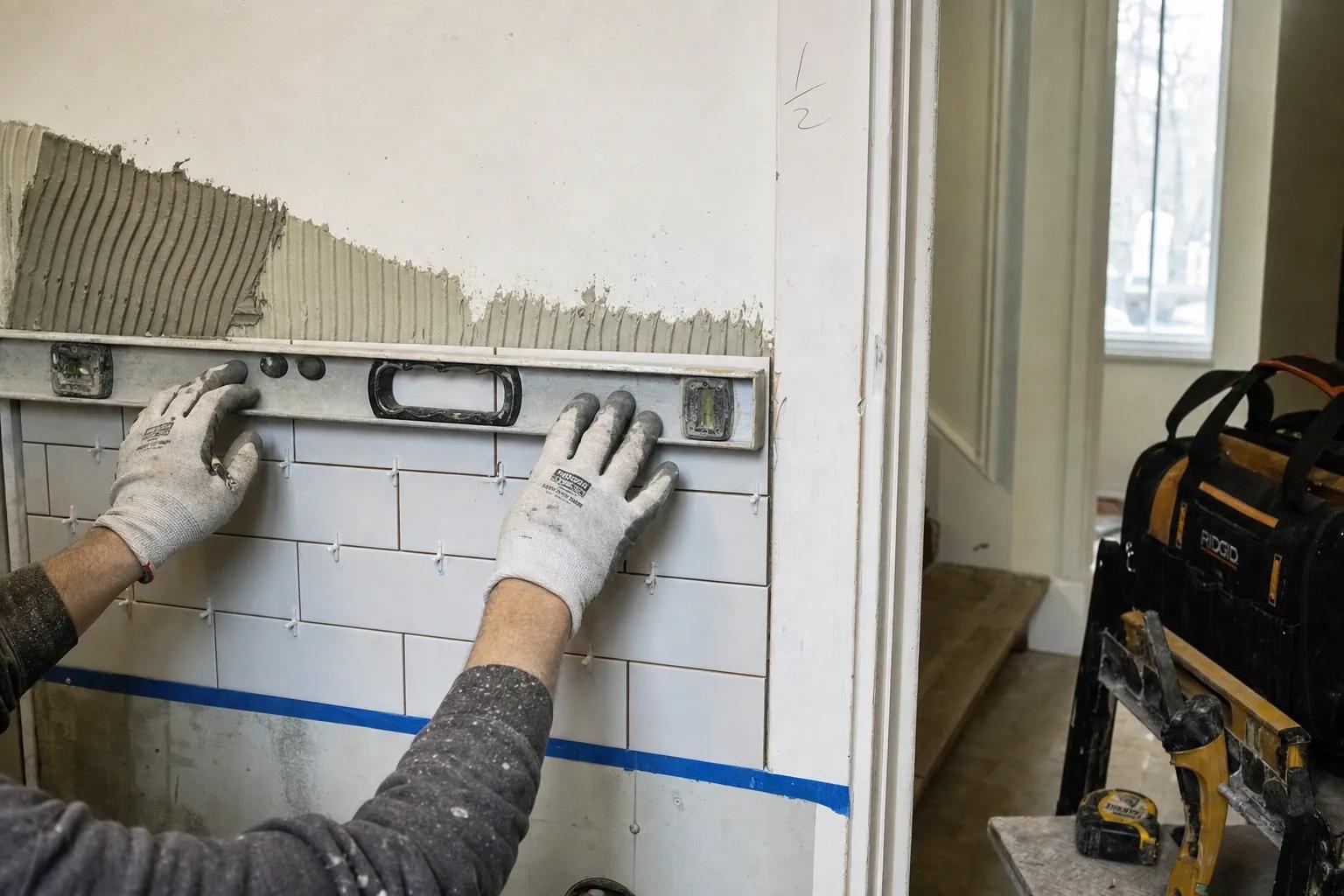
- Small bathroom and kitchen updates. Tile, cabinet hardware, paint
Jobs that require a licensed specialty contractor
Some work goes beyond handyman scope by law or by complexity. Be straightforward with any team you call about what you have. A good handyman will tell you when something needs a different specialist rather than take on work they shouldn't.
- Full electrical re-wires or panel upgrades (requires a licensed electrician)
- Plumbing re-pipes or sewer and septic work
- Roofing replacement or repair
- HVAC installation or repair
- Foundation pours or structural repairs
- Tree removal or landscaping
In Washington state, any contractor working on a home for compensation must be registered with the Department of Labor and Industries (L&I). That applies to handymen too. The registration requirement exists to protect you, and checking it takes about two minutes.
How to Vet a Handyman in King or Pierce County
Check L&I registration and insurance
Washington's L&I contractor verification tool is free and publicly accessible. Type in the business name or license number, and you'll see whether the contractor is registered and whether their bond and insurance are current. If they're not in the system, don't hire them. No exceptions.
Insurance matters separately from registration. Liability insurance covers damage to your home if something goes wrong during the job. Ask for proof, not just a verbal assurance. Any legitimate contractor will hand that over without hesitation.
Questions to ask before booking
A quick phone conversation tells you a lot. Here are the questions worth asking every time:
- Are you registered with WA L&I, and can you provide your contractor license number?
- Do you carry general liability insurance, and can you provide a certificate?
- Will this job require a permit from Seattle or King County?
- Can you provide a written scope of work before the job starts?
- Do you charge hourly or flat-rate, and how do you handle unexpected complications?
Anyone who hedges on the written scope of work is a red flag. You should know exactly what's being done and what it will cost before a single tool comes out.
If a contractor can't tell you their L&I license number off the top of their head, that's your answer. Registered contractors know their number.
What Handyman Jobs Actually Cost in the Seattle Area
Home repair services in the Puget Sound region don't have a single flat rate. Pricing depends on job size, materials, travel distance within King or Pierce County, and how easy it is to actually access the work area. Hourly rates mean you pay for time spent; flat-rate pricing locks in a number regardless of how long it takes. Each has trade-offs.
Hourly works well when the scope is uncertain, like chasing down a mystery door rattle that turns out to be a stripped hinge. Flat-rate is cleaner for defined tasks like mounting a 65-inch TV or patching a specific drywall hole. Ask which model a team uses before you book.
| Job Size | Examples | Typical Time | Key Cost Factors |
|---|---|---|---|
| Small / Single task | TV mounting, door adjustment, outlet cover swap | 1-2 hours | Minimum call fee, wall type, hardware supplied |
| Medium / Multi-task | Drywall patch + door repair + shelf install | 3-5 hours | Number of tasks, materials needed, access difficulty |
| Larger project | Bathroom refresh, crawl space prep, multiple room repairs | Full day or multi-day | Scope complexity, permit requirements, material lead time |
Older Seattle-area homes, particularly craftsman bungalows and mid-century builds, often throw in surprises. A door that looks like a simple alignment fix might have a frame that's shifted over decades. That adds time. It's not a bait-and-switch; it's an old house being an old house.
Local Conditions That Affect Handyman Work Around Puget Sound
Working in the Pacific Northwest means dealing with moisture in ways that don't apply the same way in drier climates. Doors and window frames swell in the wet season and stick. North-facing trim collects mildew faster than you'd expect. If your home has a vented crawl space, which is common across King and Pierce counties, ground moisture wicks up into the floor system and can quietly cause rot and air-quality issues over years.
Our crawl space encapsulation and insulation work addresses exactly that. A vapor barrier (a heavy polyethylene liner sealed to the walls and floor of the crawl space) cuts off that moisture path before it damages framing or degrades insulation. It's not glamorous work, but it matters more than most homeowners realize until they're already dealing with a problem.
Exterior painting timing is another local reality. Latex paint needs temperatures above about 50°F and dry conditions to cure properly. In the Seattle area, that window runs roughly June through September. Paint applied to cedar siding in October in a cool drizzle won't bond correctly, and you'll see it peeling by spring. Plan exterior work accordingly.
If your home was built before the mid-1960s, there's a real chance the walls are plaster over lath, not modern drywall. Patching plaster is a different process. You can't just cut a clean square and screw in a drywall backer the way you would with standard half-inch gypsum board. The texture and bonding approach changes, and skipping that adjustment leaves a visible repair. Our guide on when drywall patching is worth doing yourself walks through the material differences in plain terms.
How Handyman ST Approaches Local Service Calls
Handyman ST is registered with WA L&I and carries general liability insurance. We work across both King and Pierce counties, covering Seattle, Bellevue, Redmond, Sammamish, Renton, Kent, Federal Way, Auburn, Burien, Des Moines, Issaquah, Tacoma, Puyallup, Bonney Lake, and Sumner. If you're in one of those areas, you're in our service zone.
We function as a general handyman contractor for the Seattle area, which means we handle a wide mix of repairs and light remodeling rather than specializing in a single trade. That's useful when you have three different things that need fixing and don't want to coordinate three different companies.
One approach we use on most visits: batch the tasks. If you've got a sticking back door, two wobbly shelf brackets, and a bathroom faucet that needs a new aerator (the small screen filter at the tip of the spout), those can all happen in a single trip. You pay for one service call instead of three. Write the list before you contact us. It makes scheduling faster and helps us make sure we have the right materials.
We'll also tell you directly if something is outside our scope. If you describe what sounds like a main drain issue or a panel that needs upgrading, we'll say so and point you toward the right type of licensed contractor rather than take money for work we shouldn't be doing. If you're dealing with something that can't wait, our emergency home repairs guide for Seattle-area homeowners outlines how to triage what's urgent versus what can be scheduled.
For ongoing home upkeep, the Seattle seasonal home maintenance checklist is a useful starting point. It covers the tasks that come up every year across the wet and dry seasons, so nothing builds up into a larger repair down the road.
Preparing for a Handyman Visit: What to Do Before We Arrive
A little preparation on your end makes the visit go faster and cuts down on back-and-forth. None of it is complicated, but skipping it causes delays.
- Write down every task. Even the small ones you keep forgetting. A running notes-app list works fine. Hand it over when we arrive.
- Clear access to the work areas. Move furniture away from walls, unlock side gates, and put pets somewhere they won't be underfoot.
- Know your wall type. Drywall or plaster affects how patching gets done. If your home is pre-1965 and you're not sure, tap the wall. Drywall sounds hollow; plaster sounds dense and is harder.
- Have hardware and model numbers ready. If you need a specific faucet cartridge or a paint color matched, have the brand and model number written down. It avoids a mid-job hardware run.
- Note paint colors for touch-ups. If you have leftover paint, set a can out. If not, have the color name and brand so we can grab a match.
For handyman services in Seattle and the surrounding Eastside and South Sound communities, the jobs we get called for most often are door repairs, drywall patching, TV mounting, and furniture assembly. Come prepared on those points and the visit runs cleanly.
Frequently Asked Questions
How do I know if a handyman is licensed in Washington state?
Search the contractor's business name or license number on the WA L&I contractor verification tool. Any contractor working on Washington homes for compensation must be registered with L&I and carry a current bond and liability insurance. If they're not in that database, don't hire them regardless of what they tell you verbally.
What handyman jobs require a permit in Seattle or King County?
Most minor repairs, including patching drywall, mounting a TV, fixing a door, or assembling furniture, don't require a permit. Structural changes, electrical panel work, and larger remodels often do. When in doubt, check with Seattle's Department of Construction and Inspections or King County's permit office before work starts, or ask your handyman directly.
Is it cheaper to hire a handyman or do the repairs myself?
DIY saves on labor but costs time, and it can backfire on technical tasks. A botched drywall patch or an improperly hung door can cost more to fix than the original job would have. For anything involving finish carpentry, structural anchoring, or moisture damage, a professional visit usually delivers better value than a redo.
How far in advance should I book a handyman in the Seattle area?
For non-urgent repairs, booking one to two weeks out is typical during busy seasons, particularly spring and fall. If something breaks and poses a safety or weather risk, ask specifically about emergency scheduling. Teams working across King and Pierce counties often fit urgent jobs faster if your timing is flexible on the exact day.
Can a handyman handle multiple jobs in one visit?
Yes, and batching tasks is one of the best ways to get good value from a service call. Write down every small repair you've been deferring, a sticking door, a loose shelf bracket, a cracked outlet cover, and hand that list to the team. One trip through your home covers them all, which is more efficient for everyone.