Most Seattle Remodel Projects Don't Start With a Clear Plan
You know roughly what you want. A bigger bathroom. A kitchen that flows into the living room. Maybe a wall gone. But you don't have drawings, you don't have a contractor, and you're not sure what order any of it happens in.
That gap between "rough idea" and "finished room" is exactly where homeowners start researching design-build contractors. It sounds appealing: one firm, one point of contact, start to finish. But the model isn't the right call for every project. And in the Puget Sound area, where project scopes and permit rules vary by city, understanding what you're actually buying matters before you sign anything.
There's a real tension here. Coordination convenience costs money and reduces your ability to shop around on individual pieces. Knowing where that trade-off makes sense. And where it doesn't. Saves you both.
What Design-Build Actually Means
The traditional design-bid-build model
In the traditional approach, you hire an architect or designer first. They produce drawings. You take those drawings to multiple contractors, collect bids, and pick one. Two contracts, two relationships, two parties who can blame each other when something goes sideways.
That process works well for large, complex builds. An architect who answers only to you has no incentive to spec cheaper materials to protect a builder's margin. But it's slow, and coordinating two separate professionals through a mid-size bathroom or kitchen remodel adds overhead that often isn't worth it.
How design-build combines those phases
A design-build contractor handles both design and construction under a single contract. You deal with one firm. If the tile layout conflicts with the plumbing rough-in, the same team solves it without a blame loop between your designer and your builder.
That single point of accountability is the main selling point. It also means the firm controls the design, which limits your ability to independently verify whether their spec choices are the most cost-effective for your budget. "Design-build" describes a delivery method, not a license category. In Washington, any firm doing construction work still needs active registration with the state's Labor and Industries department, regardless of what they call themselves.
When the Design-Build Model Makes Sense
The model earns its keep on projects where design decisions and structural decisions are tightly tangled. Moving a load-bearing wall. Adding square footage. Relocating a bathroom stack (the main vertical drain pipe) to a new footprint. These aren't jobs where you can hand a builder a Pinterest board and call it a scope.
Larger kitchen overhauls and full bathroom expansions in King or Pierce County often trigger permit requirements, too. When a project needs architectural drawings for permit submission anyway, rolling design and construction into one contract streamlines the process.
Get the full scope of work written down before any design fee changes hands. A verbal agreement about what "kitchen remodel" includes means nothing once demolition starts and surprises appear behind the walls.
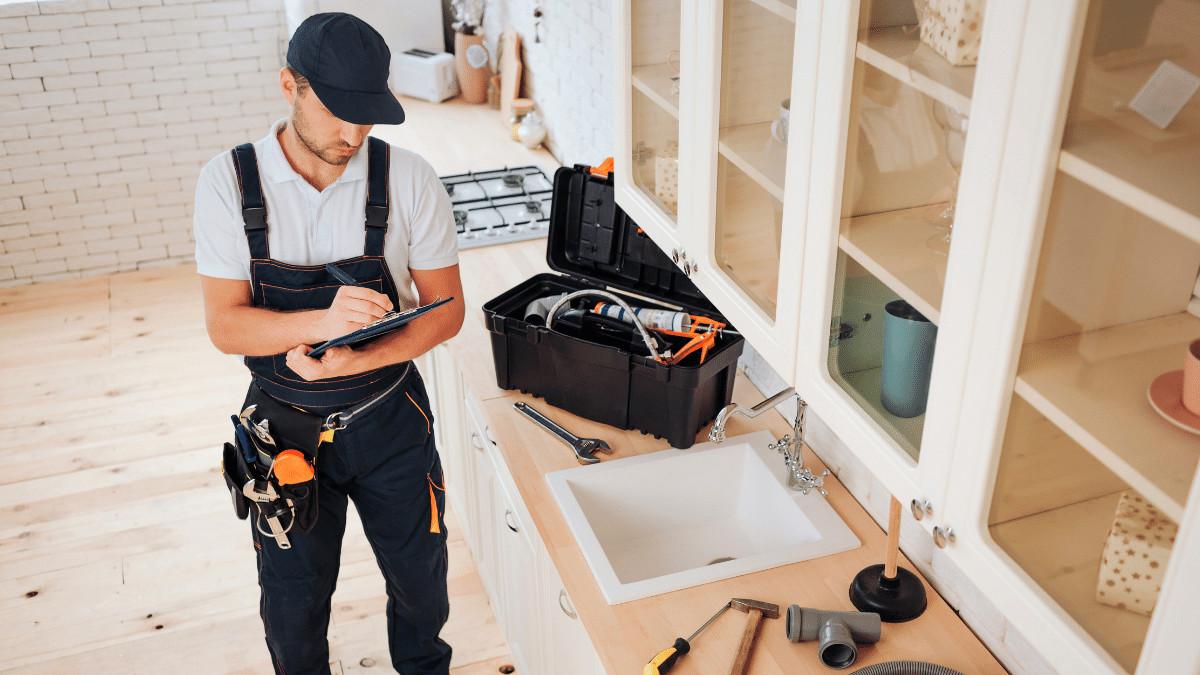
But the model doesn't fit every project. Cosmetic updates, straightforward repairs, furniture assembly, small drywall patches. These don't need an integrated design-and-build process. A home improvement contractor Puget Sound homeowners often overlook is a skilled handyman service, which moves faster and costs less for defined, mid-size scopes.
| Project Type | Design-Build Firm | General Handyman | Traditional Design-Bid-Build |
|---|---|---|---|
| Structural wall removal / addition | Good fit | Not appropriate | Good fit |
| Full kitchen gut-and-rebuild | Good fit | Partial scope only | Good fit |
| Mid-size bathroom tile and fixture update | Overkill for most | Strong fit | Overkill for most |
| Cabinet replacement, no layout change | Possible but pricey | Strong fit | Unnecessary complexity |
| Drywall patch after fixture move | Not their focus | Strong fit | Not their focus |
| Cosmetic refresh (paint, shelving, TV mount) | Wrong tool | Strong fit | Wrong tool |
How to Vet a Design-Build Contractor in the Puget Sound Area
Verify WA L&I registration and insurance
Washington requires all construction contractors to register with the Department of Labor and Industries and carry both general liability insurance and workers' compensation coverage. Look up any firm you're considering using the WA L&I contractor verification tool. It takes two minutes and shows you active registration status, bond amount, and whether coverage is current.
Don't skip this step because a firm has a polished website. Registration lapses happen, and an unregistered contractor leaves you exposed if a worker is injured on your property.
Ask the right questions before signing
The design-build label covers a wide range of actual capabilities. Some firms have in-house designers with real credentials. Others use 3D rendering software and call it design services. Before you commit, get clear answers to these questions:
- Who produces the drawings. An in-house designer, a subcontracted architect, or a software tool?
- Is the design fee separate from the construction contract, or rolled in? If it's separate, what do you own if you don't proceed with the build?
- How does the firm handle permit pulls in Seattle, Bellevue, or unincorporated King County? Seattle DCI (Department of Construction and Inspections) permit queues can run several weeks, and that time needs to be in your schedule from the start.
- Can they provide references from projects of similar size and scope in the same county?
Portfolio photos on a website tell you what a project looked like after it was done. References from homeowners in Renton or Issaquah with a similar project tell you whether the firm communicated clearly, hit their timeline, and handled surprises professionally. That's what you actually need to know. For more on screening local contractors, our guide on how to find and hire a local contractor in the Seattle area covers the process in more detail.
What Handyman ST Handles (and Where We Hand Off)
We're direct about this. Handyman ST is not a full design-build operation for large additions or projects requiring structural engineering. If you're adding a second story or moving a load-bearing wall, you need a firm with that specific capacity.
What we do well is bathroom and kitchen remodeling at the small-to-mid scale: tile work, cabinet replacement, fixture installation, painting, and light carpentry. Many Seattle homeowners discover their actual scope is more contained than they initially assumed. A consultation often clarifies that.
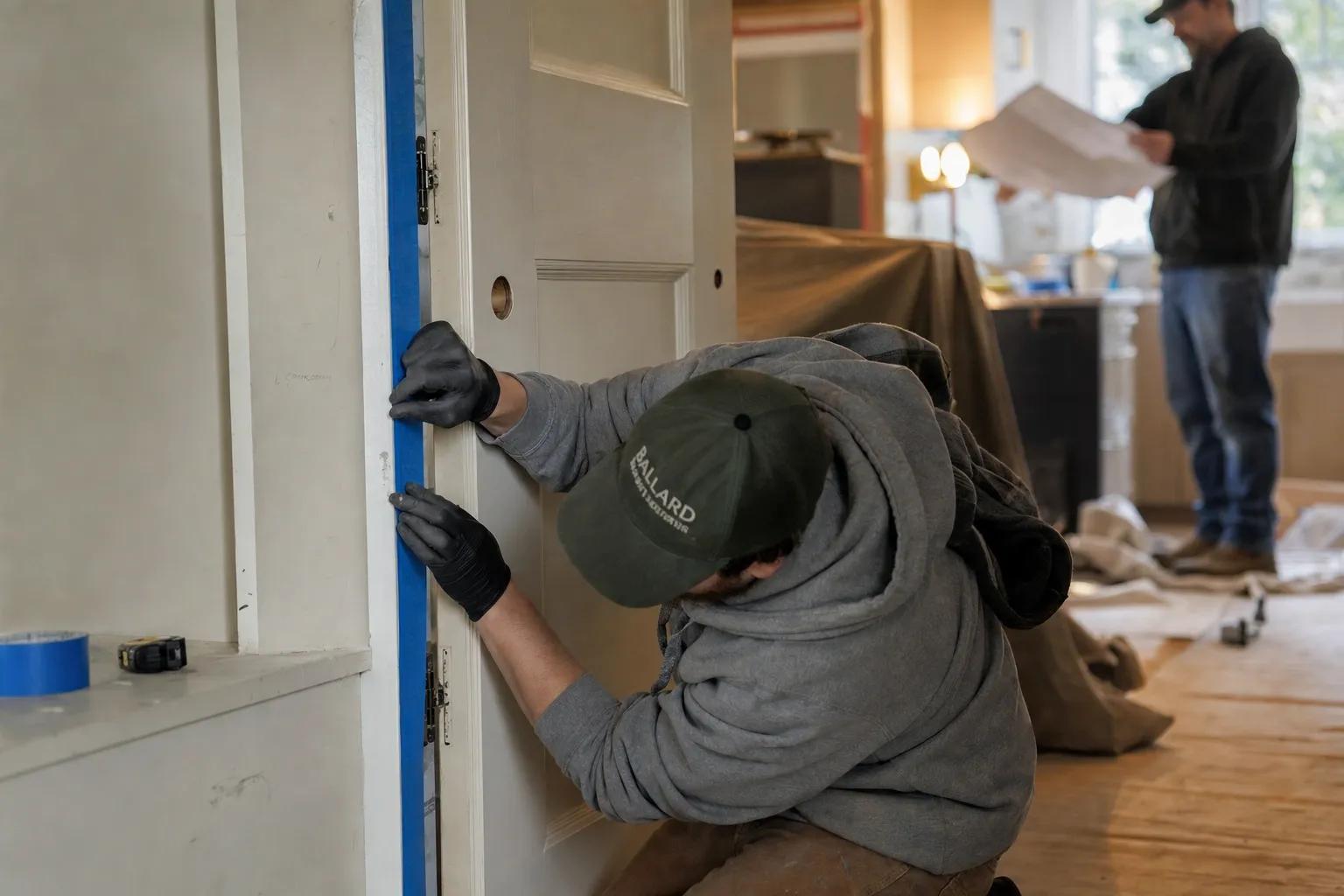
We also handle the surrounding work that larger remodeling firms tend to overlook once the big scope is complete. After a fixture moves and a wall gets opened, somebody has to close it up cleanly. Our drywall patching and repair work handles exactly that, so the room doesn't sit with a rough patch for months while you wait for another contractor.
One item that often comes up during remodel season: bathrooms in craftsman bungalows and mid-century homes frequently sit above or adjacent to vented crawl spaces. Demo sometimes reveals soft subfloor sections or moisture that's been working quietly for years. We offer crawl space encapsulation and insulation as part of that broader project work, so the underlying moisture problem gets addressed rather than just covered up.
We work across Seattle, Bellevue, Redmond, Renton, Issaquah, Federal Way, Tacoma, Puyallup, and surrounding communities in King and Pierce counties.
Cost Factors and Realistic Timelines for Seattle Remodels
When you hire through a design-build remodeling Seattle firm, design fees are often bundled into the total project cost rather than billed separately. Ask for that number upfront. Some firms charge a pre-construction agreement fee, produce drawings, and then present a construction price. If you don't like the construction price, you've paid for drawings you may not be able to use elsewhere. Know which structure you're in before signing.
Project costs vary considerably based on scope, materials, and existing conditions. As a bathroom and kitchen remodel contractor, we see the full range. Our kitchen remodel cost planning guide for Seattle breaks down what drives that number in King County. For bathroom work specifically, our breakdown of what labor costs look like for a Seattle bathroom remodel gives you a realistic framework before you start collecting quotes.
- Interior remodels run year-round in the Pacific Northwest. Exterior painting and work that requires dry conditions is realistically scheduled June through September.
- Permit timelines differ by jurisdiction. Seattle DCI can add several weeks to a project start. Unincorporated King County and Pierce County jurisdictions often move faster, but it varies.
- Older Puget Sound housing stock. Craftsman bungalows, mid-century builds. Frequently surprises during demo. Walls don't always follow modern framing standards. Plumbing and electrical may be non-standard. Build schedule buffer into any remodel that touches older construction.
- Pacific Northwest moisture conditions mean mold behind tile and soft subfloor sections are discovered during demolition more often than homeowners expect. That affects scope and budget.
A handyman contractor Seattle homeowners hire for a mid-size bathroom refresh operates on a different cost and timeline structure than a full design-build engagement. Matching the contractor model to the actual project size is where most budgets either hold or blow up.
Frequently Asked Questions
Is a design-build contractor the same as a general contractor in Washington state?
Not exactly. Design-build is a project delivery method where one firm handles both design and construction. A general contractor manages construction but may not offer design services. In Washington, both must be registered with the Department of Labor and Industries regardless of what they call themselves. Always verify registration at lni.wa.gov before signing a contract.
Do I need a permit for a kitchen or bathroom remodel in Seattle?
It depends on scope. Cosmetic work like new tile, cabinet refacing, or fixture swaps often doesn't require a permit. But moving walls, relocating plumbing, or changing electrical circuits typically requires a permit from Seattle DCI or your county building department. When in doubt, call the permit office before work starts. Your contractor should be able to tell you what triggers a permit pull.
Can a handyman do design-build work in Seattle?
A handyman can handle many remodel tasks, including tile, drywall, painting, cabinetry, and fixture installation. But a handyman service isn't the same as a full design-build operation. For projects needing architectural drawings or structural changes, you need a licensed firm with real design capacity. For mid-size cosmetic remodels, a skilled handyman is often the faster, more cost-effective choice.
How do I verify a contractor is licensed in Washington?
Use the Washington State L&I contractor verification tool at lni.wa.gov. Enter the business name or license number to confirm active registration, bond status, and insurance. This takes about two minutes and is the single most important check before signing any remodel contract. No registration means no legal protection for you if something goes wrong.
What's the difference between a design-build firm and hiring a handyman for a remodel?
Design-build firms manage large, complex projects from drawings through final construction, often coordinating architects and multiple subcontractors. A handyman service is faster and more affordable for defined, mid-size scopes: a bathroom tile refresh, cabinet replacement, or drywall repair after a fixture move. The key is matching the contractor to the actual project size, not the project you initially imagined.