Planning a kitchen remodel in Seattle? Whether you live in a century-old Craftsman in Wallingford, a mid-century split-level in Renton, or a newer townhome on the Eastside, the first question is almost always the same: what will this actually cost? The kitchen remodel cost Seattle homeowners face runs noticeably higher than national averages, and understanding why helps you build a budget that survives contact with reality.
This guide breaks down realistic Seattle-market price tiers, the components that consume most of your budget, what a general contractor's fee covers, and practical ways to save without cutting corners. Every figure here is a Seattle-area market estimate based on typical project scopes, not a fixed quote. Your home's condition, your layout decisions, and your material choices will move the numbers up or down.
What Drives Kitchen Remodel Cost in Seattle
Several regional factors push the kitchen remodel cost Seattle homeowners pay above national cost-guide figures.
Labor is the largest variable. Skilled trades are in short supply across King County, and experienced remodel crews commonly bill $75 to $150 per hour depending on specialty. As a market norm, labor accounts for roughly 20 to 30 percent of a full kitchen remodel budget in this region.
Materials run higher here too. Strong local demand keeps popular cabinet lines, countertop slabs, and tile at premium prices. Expect to pay 10 to 20 percent above national averages for most kitchen materials, with luxury finishes commanding even more.
Permits and inspections add real money. Typical kitchen remodels in the Seattle area trigger $500 to $2,000 in permit and inspection fees, with Seattle proper trending toward the higher end. Structural changes, electrical upgrades, and plumbing relocations require additional permits and associated costs.
Timing matters as well. Peak building season from April through September brings stronger demand and firmer pricing, while late fall and winter bookings often secure better contractor rates.
Seattle Kitchen Remodel Cost by Project Scope
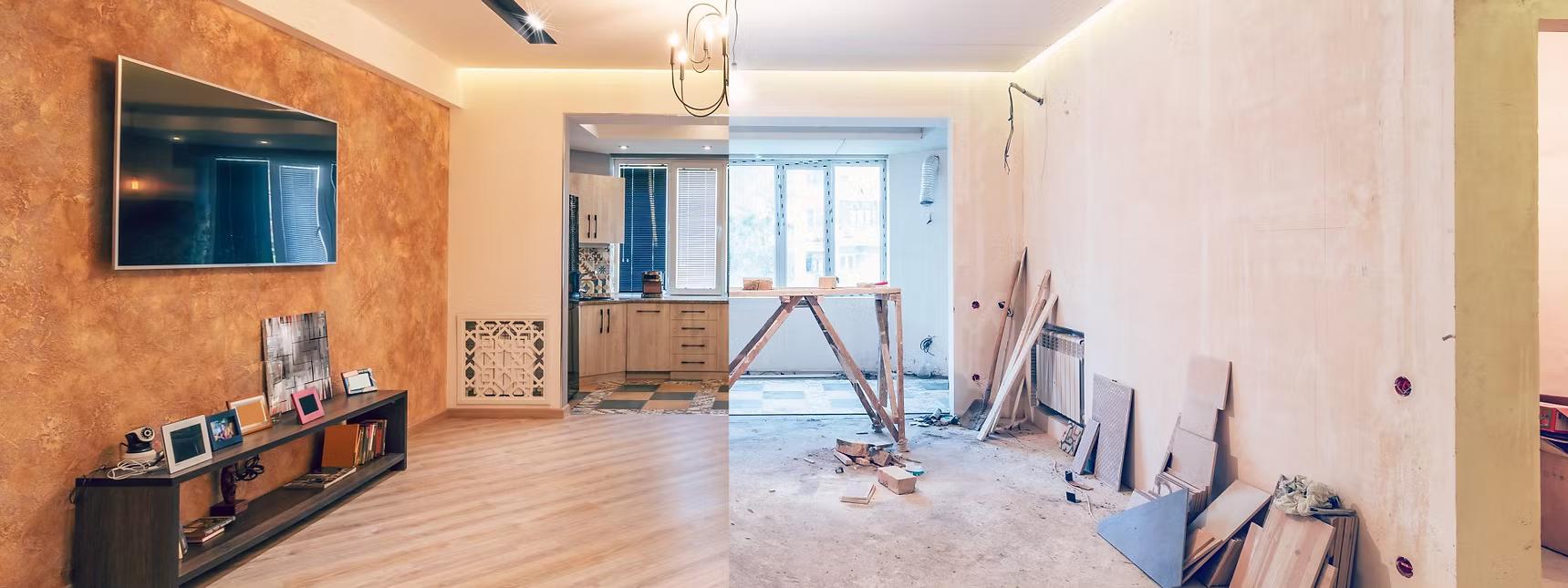
The fastest way to build a realistic Seattle kitchen renovation budget is to match your project to one of the scopes below. These tiers reflect current market ranges across the metro area:
- Budget refresh: $5,000 to $15,000. Paint, new hardware, updated light fixtures, a faucet swap, and possibly one or two appliance replacements. No layout changes and no cabinet replacement. For older kitchens with solid bones, this tier delivers a surprising visual upgrade.
- Mid-range remodel: $30,000 to $65,000. New cabinets, countertops, appliances, and flooring, plus updated lighting and minor plumbing or electrical modifications within the existing layout. This is the most popular tier among Seattle-area homeowners.
- High-end remodel: $80,000 to $150,000 and up. Custom cabinetry, premium appliance packages, stone or quartz surfaces, designer lighting, and often layout changes. Projects in Seattle's most expensive neighborhoods regularly exceed this range once structural work and custom millwork enter the picture.
If your project seems to fall between tiers, the gap usually comes down to one decision: whether you keep the existing layout. Moving plumbing, gas, or walls pushes almost any kitchen into the next price bracket. If you are trying to place your own project, our kitchen remodeling service page explains how we scope and price this kind of work.
For a look at how the same budgeting logic applies to the other big remodel room, see our bathroom renovation guide for Seattle homeowners.
Breaking Down the Major Cost Components
Cabinets are the single largest line item, typically 25 to 35 percent of the total kitchen remodel cost. Stock cabinets start around $100 to $200 per linear foot, semi-custom lines run $300 to $600, and custom cabinetry, often necessary in Seattle's older homes where standard sizes do not fit, runs $600 to $1,200 per linear foot or more before installation.
Countertops vary dramatically by material. Laminate starts around $25 to $50 per square foot installed. Quartz, the most common choice in Seattle remodels, runs roughly $60 to $120 per square foot. Natural stone ranges from $50 to more than $200 per square foot.
Appliance packages span an equally wide range. Builder-grade packages start around $3,000 to $5,000, mid-range packages suitable for most remodels run $8,000 to $15,000, and professional-style packages can exceed $25,000.
Flooring depends on material and existing conditions. Luxury vinyl plank runs about $3 to $8 per square foot installed, hardwood $8 to $15, and tile $5 to $20 depending on pattern complexity.
Electrical and plumbing upgrades surprise many homeowners. Basic electrical updates commonly run $2,000 to $5,000, and plumbing modifications $1,500 to $4,000, again as market estimates. Keep in mind that rough electrical, rough plumbing, and gas line work in Washington must be performed by licensed specialty contractors. A good general contractor builds those trades into the schedule and budget from day one.
What a General Contractor's Fee Covers in a Kitchen Remodel
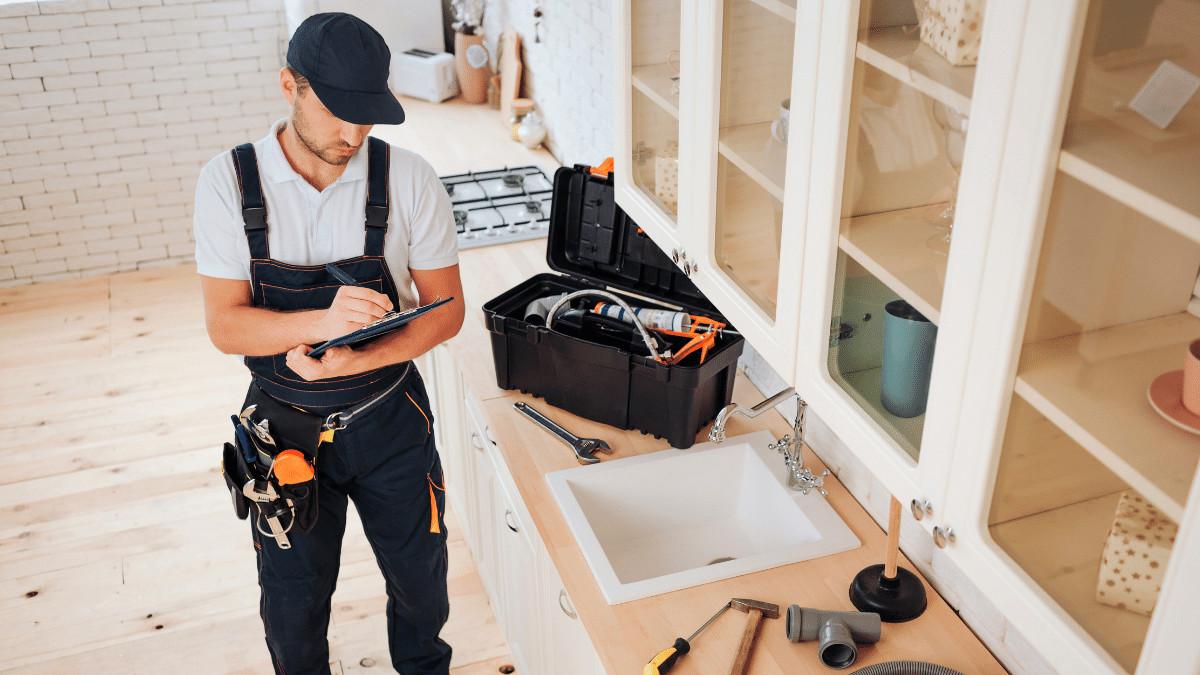
When homeowners compare bids, the general contractor fee on a kitchen remodel is often the least understood line. As a market norm, GC overhead and profit runs roughly 10 to 20 percent of project cost, and it buys far more than a signature on the permit application.
A general contractor's fee covers:
- Project management and scheduling. Sequencing demolition, rough-in trades, inspections, cabinet installation, countertop templating (which cannot happen until cabinets are set), and finish work so the project does not stall for weeks between phases.
- Subcontractor coordination. Licensed electricians and plumbers perform the rough electrical, rough plumbing, and gas work on a kitchen remodel. Your GC vets, books, and supervises those specialty contractors and makes sure their work passes inspection.
- Permits and inspections. Preparing plans, pulling the right permits for your jurisdiction, and being on site when the inspector shows up.
- Accountability. One party responsible for the outcome, carrying the bond and insurance Washington requires.
So when you evaluate kitchen remodel contractor cost across bids, do not compare bottom lines alone. A bid that looks 15 percent cheaper but excludes permit handling, debris disposal, or subcontractor supervision usually costs more by the end. Verify any contractor's license and bond status through Washington L&I's contractor lookup, and get what the fee includes in writing.
Stanis LLC operates as a Washington-licensed general contractor and handyman, which means we can run a full kitchen remodel as your GC or handle smaller carpentry and finish scopes on their own. You can see our credentials before you ever request a bid.
DIY vs Professional Work: Where You Can Actually Save
Seattle's labor rates make DIY tempting, but building codes draw a hard line around what homeowners can safely and legally take on.
Good DIY candidates include demolition (with proper safety precautions and a disposal plan), painting, cabinet hardware, and some finish work. Handling your own demo can save $1,500 to $3,000 in labor, though dumpster fees and tool rentals eat into that number.
Leave anything involving rough electrical, rough plumbing, gas lines, or structural changes to licensed professionals. Washington requires licensed specialty contractors for this work, and unpermitted utility work can create failed inspections, insurance problems, and real trouble when you sell.
A hybrid approach often works best: you handle prep, demo, and painting while professionals handle the technical scopes. Done well, this can trim total labor cost by 20 to 30 percent without compromising the parts of the project that must pass inspection.
One honest caution: DIY timelines stretch. A weekend-warrior kitchen can drag from weeks into months, and a kitchen out of commission has its own daily cost in takeout and frustration.
Ways to Lower Your Seattle Kitchen Renovation Budget
Strategic choices matter far more than coupon hunting. These are the levers with real impact on a Seattle kitchen renovation budget:
- Keep the existing layout. Not moving plumbing, gas, or walls is the single biggest cost decision in any kitchen remodel.
- Time the project for late fall or winter, when contractor calendars open up and rates soften.
- Shop appliance sales around Memorial Day, Labor Day, and Black Friday, and consider scratch-and-dent outlets for cosmetically imperfect appliances at meaningful discounts.
- Reface instead of replacing cabinets. If your cabinet boxes are solid, refacing can save $8,000 to $15,000 over full replacement while transforming the look. We compare the two approaches in detail in our cabinet refacing vs replacement guide.
- Phase the work. Cabinets and counters first, appliances or backsplash later, so costs spread over time while the kitchen stays functional.
How Costs Shift in Bellevue, Redmond, and Renton
Location within the metro area moves pricing more than most homeowners expect.
Eastside communities like Bellevue typically see project costs 10 to 15 percent above Seattle proper, driven by buyer expectations for high-end finishes and larger kitchen footprints. In Redmond, remodels often emphasize modern functionality and tech-friendly layouts, which shows up in appliance and electrical budgets. Renton and other South King County communities generally offer more moderate pricing while keeping full access to Seattle-area trades and suppliers.
Permitting also varies by jurisdiction. Seattle proper requires detailed plans for most remodels, while several suburban cities run streamlined processes for kitchens that keep the existing layout. Whatever your city, build permitting timelines into the schedule from the start.
Kitchen Remodel Financing Options
Most Seattle-area homeowners fund larger projects with home equity. Common kitchen remodel financing routes include:
- Home equity loans and HELOCs. The most popular option in this market, since high property values leave many owners with substantial equity. Fixed home equity loans suit a defined project budget, while HELOCs suit phased work.
- Cash-out refinancing. Worth considering when mortgage rates are favorable relative to your existing loan, especially if you plan multiple projects.
- Personal loans. Faster approval but higher rates, practical for budget refreshes in the $5,000 to $15,000 range.
- Retailer promotional financing. Zero-percent promotional periods on appliances can help cash flow if you pay the balance within the term.
Whichever route you choose, arrange financing before signing a contract, and hold back a contingency of 10 to 15 percent for surprises behind the walls. Older Seattle homes routinely reveal outdated wiring, hidden water damage, or missing insulation during demolition.
Getting a Real Number for Your Kitchen
Every kitchen remodel cost Seattle estimate in this guide is a market range, not a quote for your home. The only way to get a firm number is a detailed scope of work and an on-site look at your kitchen's actual conditions.
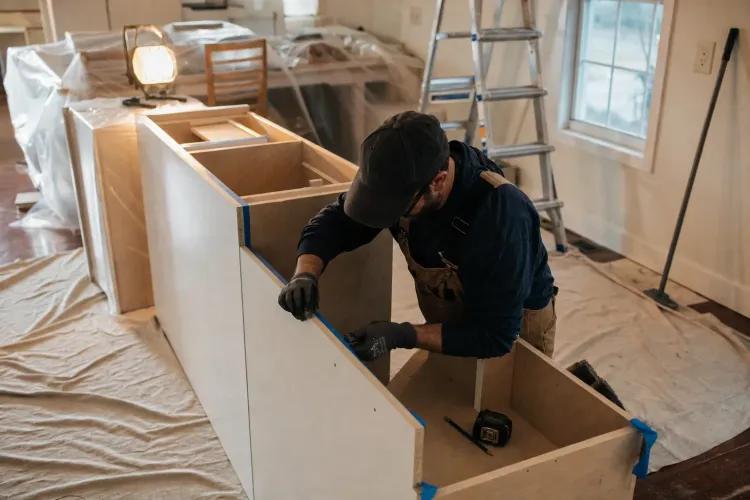
Stanis LLC is a Washington-licensed general contractor and handyman with 10+ years of hands-on remodeling experience, serving Seattle, Bellevue, Redmond, Sammamish, Issaquah, Renton, and the surrounding Puget Sound area. As your general contractor we manage the schedule, coordinate the licensed electricians and plumbers your project requires, and perform the carpentry, cabinet installation, tile, and finish work with our own crew. Learn more about our kitchen and bathroom remodeling services, or contact us for a free consultation and a detailed written estimate.
One last piece of advice: the lowest bid is rarely the best value. Compare scope, licensing, bond, and insurance, check recent local references, and make sure every bid covers the same work before you compare prices.