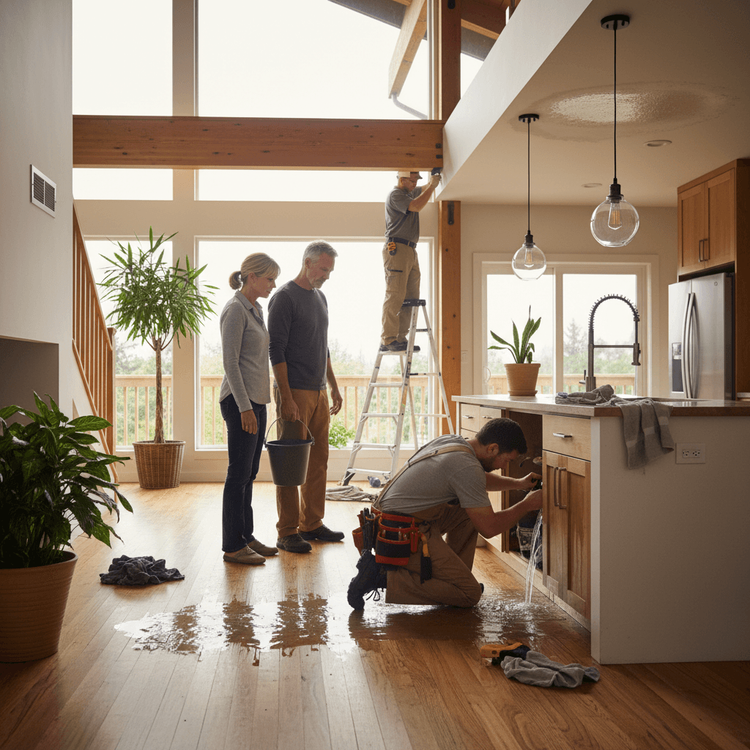
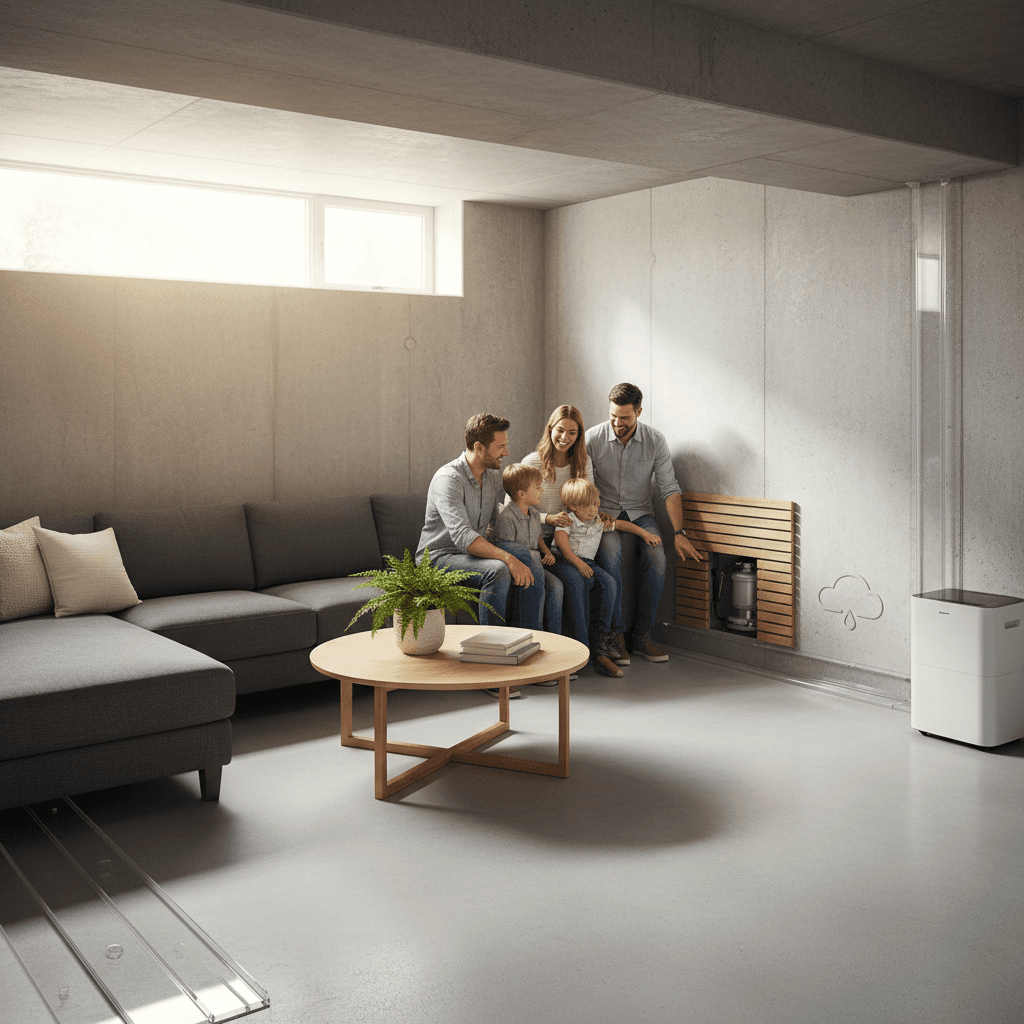
The Pacific Northwest's notorious rainy seasons make basement waterproofing a critical concern for Seattle area homeowners. With annual rainfall exceeding 38 inches and frequent winter storms, properties throughout King County face unique challenges when it comes to keeping basements dry and structurally sound. Whether you're dealing with minor seepage in your Redmond home or significant flooding issues in Bellevue, understanding your waterproofing options can save you thousands in potential water damage repairs.
Basement moisture problems aren't just inconvenient—they can lead to serious structural damage, mold growth, and decreased property values. For Seattle homeowners, investing in proper basement waterproofing solutions is essential for protecting one of your most valuable assets. This comprehensive guide will walk you through everything you need to know about basement waterproofing, from identifying problem signs to choosing between DIY fixes and professional contractor services.
Understanding Seattle's Unique Basement Waterproofing Challenges
Seattle's geography and climate create perfect conditions for basement moisture issues. The region's clay-heavy soil, combined with frequent precipitation and fluctuating groundwater levels, puts constant pressure on basement foundations throughout Sammamish, Issaquah, and surrounding communities.
The area's topography adds another layer of complexity. Many neighborhoods in Renton and Maple Valley are built on slopes, creating additional hydrostatic pressure against foundation walls. During heavy rainfall periods, saturated soil expands and contracts, potentially creating new cracks or widening existing ones in foundation walls.
Seattle's older housing stock presents additional challenges for waterproofing contractors in Bellevue and beyond. Many homes built before 1980 lack adequate moisture barriers or drainage systems, making them particularly vulnerable to water infiltration. Understanding these regional factors is crucial when developing an effective basement moisture control strategy.
Common Signs Your Basement Needs Waterproofing
Recognizing early warning signs can help you address moisture problems before they become costly disasters. Seattle homeowners should watch for these telltale indicators:
Visible Water Damage:
- Standing water after heavy rains
- Damp spots on walls or floors
- Water stains or discoloration on basement walls
- Efflorescence (white, chalky residue on concrete surfaces)
Environmental Indicators:
- Musty odors that persist despite cleaning
- Increased humidity levels in the basement
- Condensation on pipes, walls, or windows
- Mold or mildew growth in corners or along baseboards
Structural Warning Signs:
- New cracks in foundation walls or floors
- Bowing or bulging basement walls
- Loose or crumbling mortar between foundation blocks
- Rust stains around metal fixtures or supports
If you notice multiple signs, especially in combination, it's time to consider professional basement waterproofing in Seattle. Early intervention typically costs significantly less than addressing advanced water damage or structural issues.
Interior vs. Exterior Waterproofing Methods
When planning basement moisture control, you'll need to choose between interior and exterior waterproofing approaches—or sometimes a combination of both methods.
Interior Waterproofing Solutions
Interior methods focus on managing water that has already entered your basement space. These solutions are typically less expensive and easier to implement, making them popular among Redmond and Bellevue homeowners dealing with minor moisture issues.
Interior Sealants and Coatings: Interior waterproof coatings create a moisture barrier on basement walls and floors. These products work well for controlling minor seepage but aren't suitable for significant water infiltration problems. Quality interior sealants typically cost $3-8 per square foot when professionally applied.
Interior Drainage Systems: French drains and sump pump systems redirect water away from your foundation. These systems work by collecting water at the foundation's base and channeling it to a sump pit, where a pump removes it from the basement. Interior drainage installation typically ranges from $2,000-6,000 for average-sized basements.
Basement Dehumidification: High-capacity dehumidifiers help control moisture levels and prevent condensation issues. While not a waterproofing solution themselves, dehumidifiers are essential components of comprehensive basement moisture control systems.
Exterior Waterproofing Approaches
Exterior waterproofing addresses moisture problems at their source, preventing water from reaching your foundation walls. These methods are more comprehensive but require significant excavation around your home's perimeter.
Foundation Excavation and Sealing: This process involves digging around your foundation to apply waterproof membranes and install proper drainage systems. While more expensive ($10,000-25,000 for most homes), exterior waterproofing provides the most thorough protection against water infiltration.
Improved Drainage and Grading: Proper yard grading directs surface water away from your foundation. This preventive approach costs $1,500-4,000 and should be the first line of defense for any waterproofing strategy.
Professional Waterproofing Solutions and Techniques
Working with experienced waterproofing contractors in Bellevue and surrounding areas ensures proper diagnosis and implementation of effective solutions. Professional contractors bring specialized equipment, materials, and expertise that DIY approaches simply cannot match.
Advanced Diagnostic Techniques
Professional contractors use sophisticated methods to identify moisture sources and assess foundation conditions. Thermal imaging cameras detect temperature variations that indicate moisture infiltration points. Moisture meters provide precise readings of water content in building materials, helping contractors develop targeted treatment plans.
Specialized Waterproofing Materials
Professional-grade waterproofing materials offer superior performance compared to consumer products. Polymer-modified cementitious coatings provide excellent adhesion and flexibility, while crystalline waterproofing compounds actually become stronger when exposed to water. These advanced materials justify the higher cost of professional installation through improved longevity and effectiveness.
Comprehensive System Integration
Experienced contractors design integrated systems that address multiple moisture sources simultaneously. This might include combining exterior membrane installation with interior drainage systems and upgraded sump pump capacity. Professional installation ensures all components work together effectively for maximum protection.
Most professional basement waterproofing projects in the Seattle area range from $5,000-15,000, depending on the scope of work required. While this represents a significant investment, professional waterproofing typically includes warranties and guarantees that protect your investment long-term.
DIY Basement Waterproofing: What You Can Do Yourself
Some basement moisture control tasks are well-suited for DIY implementation, particularly preventive measures and minor repairs. Understanding which projects you can handle yourself versus when to call professionals helps optimize your waterproofing budget.
DIY-Friendly Waterproofing Tasks
Basement Wall Crack Repair: Small cracks (less than 1/4 inch wide) can often be sealed with hydraulic cement or polyurethane injection. Clean the crack thoroughly, apply the sealant according to manufacturer instructions, and monitor for several weeks to ensure the repair holds.
Interior Sealant Application: Applying waterproof paint or crystalline sealants to basement walls is a manageable DIY project. Proper surface preparation is crucial—clean walls thoroughly and allow them to dry completely before application. Most sealants require two coats for optimal protection.
Gutter and Downspout Maintenance: Keeping gutters clean and ensuring downspouts direct water at least 6 feet from your foundation prevents many moisture problems. Install gutter guards and consider adding splash blocks or underground drain extensions for improved water management.
Basic Landscaping and Grading: Simple grading improvements can be accomplished with basic tools and materials. Ensure soil slopes away from your foundation at a minimum 6-inch drop over 10 feet of horizontal distance.
When to Call Professionals
Certain waterproofing tasks require professional expertise and equipment. Major foundation cracks, extensive excavation projects, and electrical work for sump pump installation should always be handled by qualified contractors. Additionally, if you're dealing with recurring moisture problems despite DIY efforts, professional diagnosis can identify underlying issues you might have missed.
Cost Analysis and Investment Considerations
Understanding waterproofing costs helps Seattle area homeowners make informed decisions about protecting their properties. Investment in basement waterproofing typically pays for itself through prevented damage and increased property values.
Typical Cost Ranges for Seattle Area Projects
Minor Repairs and Preventive Measures:
- Crack sealing: $300-800
- Interior sealant application: $1,500-3,000
- Gutter improvements: $500-1,500
Moderate Waterproofing Projects:
- Interior drainage system: $2,000-6,000
- Sump pump installation: $1,000-3,000
- Exterior foundation sealing: $3,000-8,000
Comprehensive Waterproofing:
- Full exterior waterproofing: $10,000-25,000
- Combined interior/exterior systems: $8,000-20,000
Return on Investment Considerations
Basement waterproofing provides both immediate protection and long-term value benefits. Preventing water damage saves thousands in potential repair costs, while dry, usable basement space increases your home's marketable square footage. Real estate professionals in the Seattle area report that proper waterproofing can increase property values by $5,000-15,000 or more.
Financing Options
Many waterproofing contractors offer financing plans to help homeowners manage larger projects. Additionally, some waterproofing improvements may qualify for energy efficiency rebates or home improvement loan programs.
Choosing the Right Waterproofing Contractor
Selecting qualified waterproofing contractors in Bellevue or throughout the Seattle area requires careful research and evaluation. The right contractor will provide comprehensive assessment, quality workmanship, and reliable warranties.
Key Qualifications to Look For
Licensing and Insurance: Verify that contractors hold appropriate Washington state licenses and carry comprehensive liability insurance. This protects you from potential legal and financial issues during the project.
Local Experience: Contractors familiar with Seattle area conditions understand regional challenges and building codes. Look for companies with established track records in King County communities like Sammamish, Issaquah, and Renton.
Warranty Coverage: Reputable contractors offer meaningful warranties on their work, typically ranging from 5-25 years depending on the scope of services provided. Understand exactly what's covered and ensure warranty terms are clearly documented.
Questions to Ask Potential Contractors
Before hiring any waterproofing professional, ask about their diagnostic process, material specifications, and project timeline. Request detailed written estimates that break down labor and material costs. Don't automatically choose the lowest bid—focus on value, qualifications, and proposed solutions rather than price alone.
References from recent projects in your area provide valuable insights into contractor performance and customer satisfaction. Contact multiple references and ask specific questions about project quality, timeline adherence, and post-completion support.
Maintenance and Long-term Protection Strategies
Effective basement moisture control requires ongoing maintenance and periodic system updates. Developing a comprehensive maintenance plan helps ensure your waterproofing investment provides long-term protection.
Annual Maintenance Tasks
Drainage System Inspection: Check sump pumps, backup systems, and drainage channels annually before the rainy season. Test pump operation and clear any debris from intake areas. Consider installing battery backup systems for power outage protection.
Foundation and Sealant Inspection: Walk around your home's perimeter looking for new cracks, settling, or damage to exterior waterproofing materials. Inspect interior basement walls for signs of moisture infiltration or sealant deterioration.
Landscape and Grading Maintenance: Maintain proper grading around your foundation and keep gutters and downspouts in good repair. Trim vegetation that might interfere with drainage or create moisture retention near your foundation.
Seasonal Preparation Steps
Fall Preparation: Clean gutters thoroughly and check that downspouts direct water away from your foundation. Test sump pump operation and consider having professional system inspections before heavy winter rains begin.
Spring Assessment: After winter storms, inspect your basement for any new moisture issues or damage. Address minor problems promptly before they develop into major concerns.
Technology Updates and Improvements
Consider upgrading older waterproofing systems with modern materials and monitoring technology. Smart sump pump systems can alert you to failures or unusual water levels, while improved sealants and membranes offer better long-term protection than older products.
Basement waterproofing represents one of the most important investments Seattle area homeowners can make in protecting their properties. From minor preventive measures to comprehensive professional installations, the right waterproofing approach depends on your specific situation, budget, and long-term goals.
Remember that effective basement moisture control often requires a multi-faceted approach combining interior and exterior solutions, proper drainage, and ongoing maintenance. While some tasks are suitable for DIY implementation, don't hesitate to consult with experienced professionals when dealing with complex or recurring moisture problems.
The Pacific Northwest's challenging climate makes basement waterproofing not just advisable, but essential for long-term property protection. By taking action before minor moisture issues become major problems, you'll save money, protect your family's health, and maintain your home's value for years to come.
Whether you're dealing with emergency water infiltration or planning preventive waterproofing improvements, professional guidance can help you make the best decisions for your specific situation. At Stanis LLC Handyman & General Contractor, we understand the unique challenges Seattle area homeowners face and provide comprehensive solutions tailored to local conditions.
Ready to protect your basement from moisture problems? Contact our experienced team today at contact@handymanst.com for a thorough assessment of your waterproofing needs. We serve Redmond, Bellevue, Sammamish, Issaquah, Renton, Maple Valley, and throughout the greater Seattle area with reliable, professional basement waterproofing solutions.