Seattle homeowners live with a climate that rewards planning and punishes neglect. Nine months of rain, a short dry summer, and mild but damp winters mean your home needs different attention in every season. This Seattle home maintenance checklist organizes the work by season and by cadence so you always know what to tackle next, whether you live in Redmond, Bellevue, Sammamish, Issaquah, or Renton, or farther south in Kent, Auburn, or Tacoma.
Stanis LLC is a Washington-licensed general contractor and handyman company serving the greater Seattle area, and this guide reflects what our crews see in local homes year after year. Treat it as your hub for Pacific Northwest home maintenance: the full year at a glance on this page, with links to deeper guides wherever a topic deserves its own article.
How to Use This Seasonal Home Maintenance Checklist
Think of this Seattle home maintenance checklist as the master list. Each season below covers the essential tasks in brief, and the biggest topics link out to dedicated guides:
- Getting the house ready for the wet season: our Seattle home winterization guide covers pipe insulation, weatherstripping, and storm prep step by step.
- Keeping water moving off your roof: the DIY gutter cleaning guide for Seattle homeowners explains tools, safety, and how often to clean.
- Stopping small leaks before they become rot: see water damage prevention for Seattle homes.
Skim the season you are in right now, then jump to the monthly, quarterly, and annual schedule near the end. That cadence list is the part most homeowners print out and stick on the fridge.
Spring Home Maintenance: Assess What Winter Left Behind
Spring is inspection season. The rain is easing, daylight is stretching, and damage from the wet months is still fresh enough to fix cheaply.
Exterior Spring Tasks
Walk your property line and look for winter damage: loose or missing roof shingles, sagging gutters, and cracks in the foundation or siding. Pay special attention to spots where water pooled during the rainy season, because standing water is the earliest warning sign of a drainage problem.
Clean and inspect your gutters. Remove debris, leaves, and moss growth, and check for loose brackets, holes, or separation at the joints. In tree-heavy neighborhoods around Bellevue and Sammamish this is the single highest-value task on the list. If you spot roof damage while you are up there, note it and call a licensed roofing contractor; roofing is specialty work that should not be improvised.
Pressure wash siding, decks, and walkways, using settings appropriate to each material: typically 1,200 to 1,500 PSI for siding and 2,000 to 3,000 PSI for concrete. If you are not comfortable running the equipment, hire it out. The wrong pressure on the wrong surface strips paint and gouges wood.
Inspect exterior paint for peeling, cracking, or chalking, especially on south- and west-facing walls. Spring is when you plan painting projects so the work can happen during the dry window. Our exterior painting service explains what a proper prep-and-paint cycle involves and what it costs.
Interior Spring Tasks
Check window and door seals for gaps that opened over winter and re-caulk where needed. Deep clean windows inside and out while you are at it. If you run air conditioning, replace the filters and clear debris from around the outdoor unit. Full system service is a job for an HVAC contractor, and early spring is the easiest time to get on their schedule.
Summer Home Maintenance: Use the Dry Window
Seattle's dry season is short, so summer maintenance is mostly about exterior projects that need dry surfaces and warm temperatures.
Paint and stain in summer. Bare or flaking wood that goes into October unprotected will absorb months of rain, and by spring you are looking at repairs instead of a repaint. The same logic applies to decks: look for loose boards, protruding fasteners, soft spots, and failed sealant, and plan to sand and re-stain wooden decks every two to three years. If the framing or boards are questionable, our guide on deck repair versus replacement will help you decide which way to go.
Check your irrigation system if you have one. Test sprinkler coverage, repair damaged heads, and adjust timers so you are not watering the sidewalk. In Issaquah, Kent, and other communities where summer water bills climb fast, an hour of tuning pays for itself.
Indoors, keep up with air conditioning filters during heavy use and keep at least two feet of clearance around outdoor units. A programmable thermostat is a worthwhile upgrade if you are still adjusting temperatures by hand; it trims wasted heating and cooling without changing your comfort.
Fall Home Maintenance in Seattle: Get Ready for the Rains
Fall home maintenance in Seattle is really rain preparation, and it is the season with the least room for procrastination. Once the October storms arrive, every weakness in your building envelope gets tested daily. We cover the full process in our winterization guide, so here is the condensed version:
- Clean gutters and downspouts one final time after the leaves drop, and make sure downspouts discharge at least six feet from the foundation. Consider gutter guards in tree-heavy areas like Redmond and Bellevue.
- Have the roof inspected, especially after early windstorms. Look for lifted shingles and check flashing around chimneys, vents, and skylights. Hire a licensed roofing contractor for anything beyond a visual check from the ground.
- Trim tree branches within six feet of the roof or power lines. For large trees or anything near power lines, use a certified arborist.
- Replace worn weatherstripping around doors and windows. On a windy day, a flickering candle or incense stick will show you exactly where the leaks are.
- Book furnace or heat pump service with an HVAC contractor if it has been more than a year, and stock spare filters for winter.
- Check attic insulation levels. Pacific Northwest homes generally call for R-38 to R-60 in the attic; if yours is thin, see our home insulation guide for types, costs, and what to insulate first.
If you only do three things in fall, do the gutters, the weatherstripping, and the heating service booking. Those cover the most common winter failures we get called about.
Winter Home Maintenance: Watch the Moisture
Seattle winters are mild but relentlessly damp, so winter maintenance is mostly monitoring.
Keep indoor humidity between 30 and 50 percent. Run bathroom and kitchen exhaust fans during and after use, and if a bathroom fan is weak or noisy, deal with it; our guide to bathroom ventilation fans covers repair versus replacement. Persistent condensation on windows is a warning sign, not a cosmetic issue.
Inspect your basement or crawl space monthly for standing water, musty odors, or white mineral deposits on walls. Crawl spaces are where Seattle moisture problems hide longest, and a torn vapor barrier can quietly feed mold and rot for years. If yours is bare dirt or the barrier has failed, crawl space encapsulation is the durable fix.
During cold snaps, let faucets on exterior walls drip and keep cabinet doors under sinks open. Frozen pipes are rare here, which is exactly why they catch homeowners off guard. Keep flashlights, batteries, water, and shelf-stable food on hand for storm outages, and know where your main water shut-off is before you need it. Our roundup of emergency home repairs and quick fixes is worth a read before the first big storm rather than during it.
Your Home Maintenance Schedule: Monthly, Quarterly, and Annual Tasks
Seasonal projects get the attention, but a steady home maintenance schedule is what actually prevents emergencies. Here is the cadence we recommend to clients across the Puget Sound area.
Monthly
- Test smoke and carbon monoxide detectors. Replace batteries annually and clean the sensors twice a year.
- Clean range hood filters. Most are dishwasher safe, and grease buildup is both a fire risk and an odor source.
- Walk the exterior after major storms and note new damage: loose siding, displaced shingles, leaning fences.
- Look under sinks and around toilets for slow leaks. Our plumbing problems identification guide shows what early trouble looks like.
Quarterly
- Clean the dryer vent, from the lint trap to the exterior cap. Lint buildup is a leading cause of house fires and makes every load take longer.
- Exercise the main water shut-off valve so it turns freely when you actually need it.
- Run water in rarely used sinks and showers to keep drain traps from drying out.
- Check bathroom fan airflow with a square of toilet paper held to the grille; if it does not hold, clean or repair the fan.
Annually
- Book specialty inspections as needed: HVAC service, an electrical panel check, or a roof inspection. These trades are handled by licensed specialty contractors, and a yearly look costs far less than an emergency call.
- Have the chimney cleaned and inspected every two to three years, or annually with heavy fireplace use.
- Check the crawl space vapor barrier and insulation before and after the wet season.
- Audit exterior caulking around windows, doors, and penetrations, and re-caulk what has cracked or pulled away.
- Schedule pest prevention if you live in wooded areas of the Eastside or South Sound; prevention is cheaper than eviction.
What Home Maintenance Help Costs in Seattle
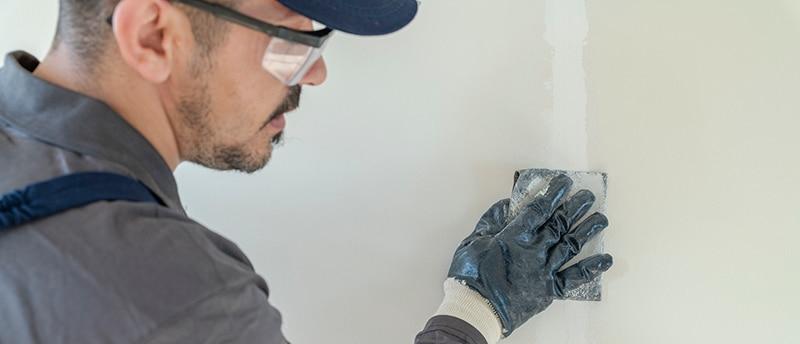
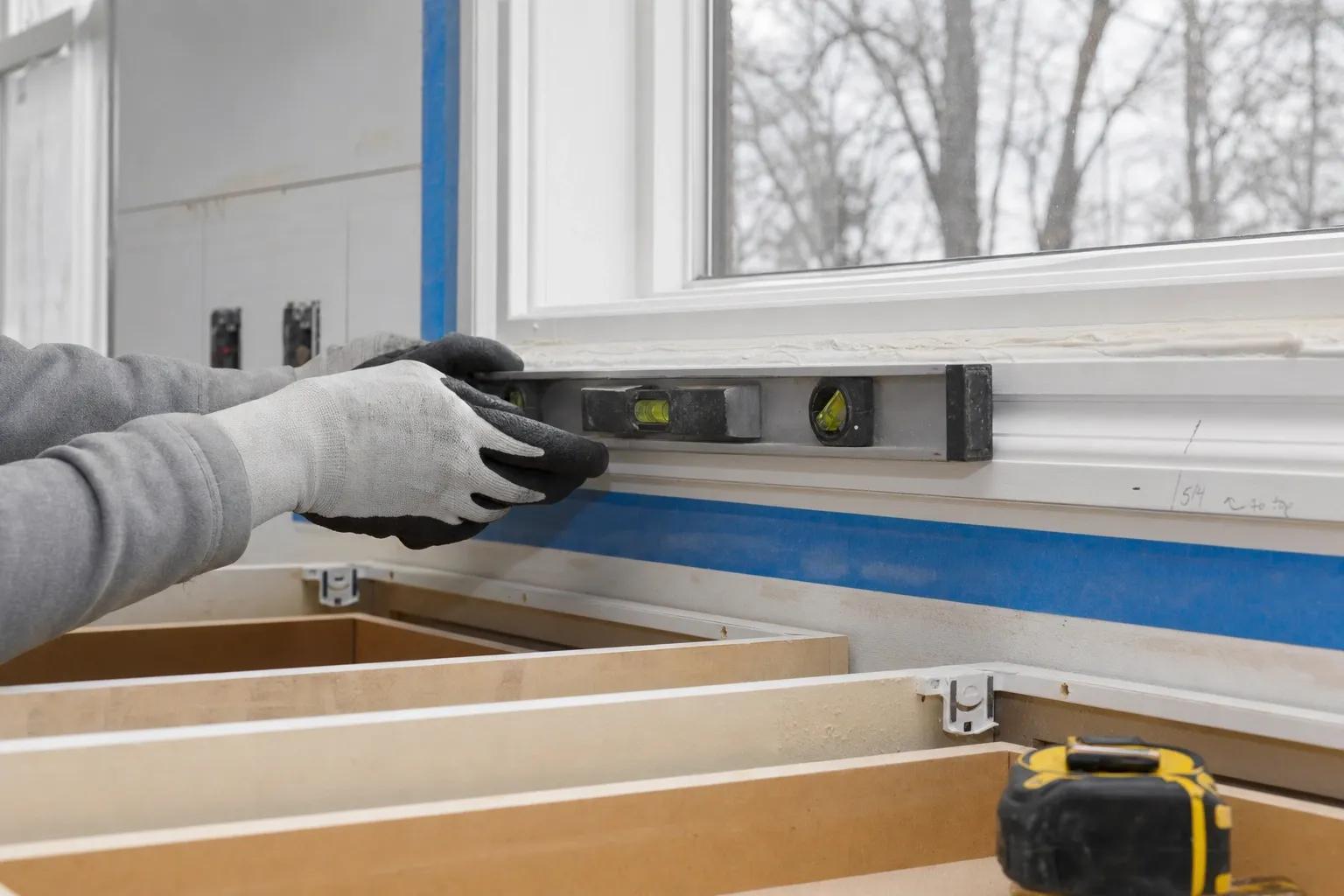
For work within general contractor and handyman scope, our pricing is simple: small maintenance tasks start at $99, a half-day visit runs $350, and a full-day visit is $600. A half-day visit typically clears a whole seasonal list, things like weatherstripping, caulking, filter swaps, fixture tightening, minor drywall touch-ups, and small carpentry repairs. Bundling tasks into one handyman services visit is the most cost-effective way to work through this checklist.
Specialty trades are a different market. Roofing, HVAC, rough electrical, and rough plumbing prices vary widely with the scope and the season, so treat any figure you read online as a rough market estimate and get two or three local quotes before committing.
DIY or Call a Pro?
Most of this checklist is DIY-friendly: filter changes, caulking, detector tests, single-story gutter cleaning, and basic weatherproofing need modest tools and carry low risk with sensible precautions.
Leave roofing, rough electrical, rough plumbing, gas lines, HVAC, and sewer work to licensed specialty contractors. Those trades are licensed separately in Washington, and you can verify any contractor's registration through the Washington State Department of Labor and Industries before hiring.
For everything in between, the repairs, carpentry, drywall, painting, and installation work that fills most of a home maintenance schedule, a Washington-licensed general contractor who also runs handyman crews covers the widest range in a single visit. That is the model Stanis LLC is built on; you can see our credentials for the details.
The Bottom Line: Work the List, Season by Season
Consistent maintenance is always cheaper than repair, and in the Pacific Northwest the gap is wider than most homeowners expect because moisture damage compounds quietly. Keep this Seattle home maintenance checklist handy, work the seasonal sections as they come, and hold the monthly and quarterly cadence even when the weather makes it tempting to skip.
When you want help, Stanis LLC is a Washington-licensed general contractor and handyman serving Seattle, the Eastside, and South Sound communities from Renton and Kent to Auburn and Tacoma. We handle seasonal tune-ups, repairs, and improvement projects within general contractor and handyman scope, and we will tell you straight when a job belongs with a roofing, HVAC, or electrical specialist instead. Request a visit and get your seasonal list handled in one trip.