
Why Hiring the Wrong Contractor Is a Costly Mistake
Picture this: a homeowner in Renton hires an unlicensed crew to encapsulate their vented crawl space. The work looks fine at first. Then a wet winter rolls in, moisture finds its way back under the house, and the vapor barrier they installed is already peeling away from the stem wall. Now there's a mold problem, a failed repair, and no recourse because there was no contract and no registration to trace.
That's not a rare story around Puget Sound. The stakes when hiring a home repair contractor here are real: your money, your family's safety, and the resale value of your home. A single bad hire can cost more to fix than the original job would have cost done right.
The first filter is straightforward. Washington state requires every contractor doing paid work on homes to register with the Department of Labor and Industries, commonly called WA L&I. That registration isn't optional, and verifying it takes about two minutes online. Start there before you return a single phone call.
Contractor vs. Handyman: Who Do You Actually Need?
A lot of homeowners default to searching for a "contractor" when a handyman would get the job done faster and for less money. The two aren't interchangeable, and understanding the difference saves you time on the front end.
Jobs that typically need a licensed general contractor
General contractors manage larger projects, often pulling permits, coordinating subcontractors, and carrying higher liability coverage. Think full bathroom gut-and-rebuild in a craftsman bungalow, structural wall removal in a mid-century Bellevue home, or a kitchen remodel that involves moving plumbing rough-in. These jobs cross into territory where permits are legally required and where trade endorsements matter.
In Washington, the handyman vs. Contractor Seattle distinction also comes down to scope. Projects above certain dollar thresholds or touching structural, electrical, or plumbing systems generally require a contractor with the appropriate trade endorsements, not just a general registration.
Jobs a registered handyman can handle
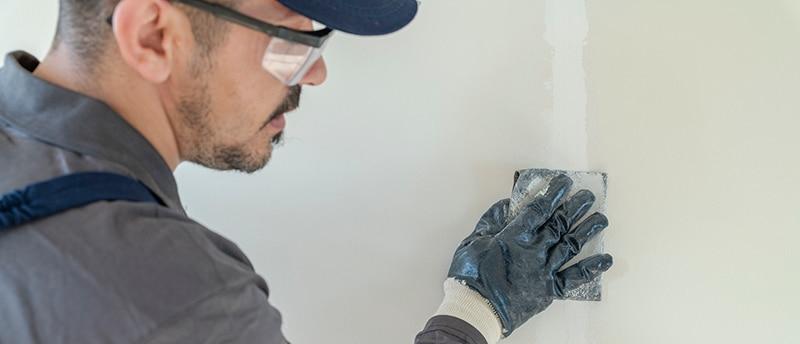
For smaller repairs, a registered handyman is often the smarter call. Patching a hole in the drywall of a Federal Way rental, mounting a TV above the fireplace, repairing a sticky door in an older Tacoma craftsman, assembling a home-office desk system. These don't need a general contractor. Our general handyman services cover exactly this range: self-contained repairs and installations that don't require permits or trade subcontractors.
If you're unsure which category your job falls into, describe the full scope when you call. A straight answer about who you actually need is the sign of a trustworthy operation.
How to Vet a Contractor Before You Sign Anything
This is where most homeowners skip steps. The contractor vetting checklist below isn't complicated, but running through it every time protects you from the most common problems.
Step 1: Verify WA L&I registration and insurance
Go to the L&I contractor lookup tool and search by business name or UBI number. Confirm the registration is active, not expired. Also confirm they carry general liability insurance and workers' compensation if they have employees. An unregistered contractor operating in Seattle, Sammamish, or anywhere else in King County gives you zero legal protection if something goes sideways.
Ask for a copy of their certificate of insurance. Any legitimate operation will send it without hesitation.
Step 2: Ask the right questions on your first call
You don't need a long interview. A few direct questions reveal a lot:
- How long have you been operating in the Puget Sound area?
- Will you pull the permit if this job requires one?
- Who actually does the work. Your own crew or subcontractors?
- Can you provide references from a similar job in the last six months?
- What's your payment schedule?
If a contractor can't answer the permit question clearly, that's a problem. Permit responsibility typically falls on whoever pulls it. Make sure that's spelled out in writing before work starts.
Step 3: Get at least two or three written bids
One bid gives you no context. Two or three bids reveal the real market rate for the job and surface outliers on both ends. A bid that comes in 40 percent below the others usually means something is being left out. Materials, labor hours, or disposal costs. A bid that's 40 percent above the others deserves an explanation too.
Compare scope of work line by line, not just the bottom number. We'll cover what to look for next.
Reading the Bid: What Each Line Item Should Tell You
A written bid is a window into how a contractor thinks about your project. Vague bids produce disputes. Specific bids produce clarity. Here's what separates a strong bid from a weak one:
| Bid Element | Strong Bid | Weak Bid |
|---|---|---|
| Materials | 5/8-inch type-X drywall, two coats Benjamin Moore Aura exterior latex | "paint and supplies" or "materials as needed" |
| Labor | Hours broken out by phase (demo, install, finish) | Single lump-sum with no breakdown |
| Scope | Specific measurements, areas, or quantities | "repair siding" with no dimensions or extent |
| Exclusions | Lists what is not included (e.g. Permit fees, debris haul-away) | No mention of what's out of scope |
| Payment schedule | 10-30% deposit, milestones tied to work phases, balance on completion | 50%+ cash upfront, no milestone structure |
When a bid just says "paint and supplies," you have no way to verify the contractor used what they quoted. Specifying Benjamin Moore Aura exterior, for example, matters on north-facing cedar siding in Seattle where mildew resistance is part of the product's value. Generic language lets them swap in cheaper material without you knowing.
How Seattle's Climate Affects Contractor Timing and Scheduling
Climate is a real scheduling constraint here, not a talking point. Puget Sound's wet winters push a lot of exterior work into a narrow window, and a contractor who doesn't plan around it will cost you a season.
Exterior painting on lap siding or western red cedar needs surface temperatures above 50°F and dry conditions to cure properly. In the Seattle area, that reliable window runs roughly June through September. Book exterior painting or siding work outside that range and you're gambling on weather. Most experienced local painters won't start a full exterior coat in November, and the ones who will should explain exactly how they plan to manage it.
Crawl space work is a different story. A wet winter is actually when the urgency for crawl space encapsulation and insulation becomes obvious. Standing water, high humidity readings, condensation on floor joists. But wet conditions also make scheduling tighter because crews need to pump or dry the space before laying a vapor barrier. If your crawl space needs attention, getting on the schedule in early fall beats scrambling in January. Read more about protecting your Seattle home from water damage before problems reach the crawl space.
Drywall repairs dry in roughly 24 hours in summer conditions. In a cold, damp Seattle winter, that same patch can take 36 to 48 hours before it's ready to sand. Build that into your timeline expectations, especially if you're scheduling a sequence of repairs before repainting.
Red Flags to Watch For During the Job
Vetting a contractor before the job starts is one layer of protection. Watching the work as it progresses is another. Some problems show up only once the crew is on site.
- Showing up shorthanded after collecting a deposit. If a contractor sends one person for a job that clearly needs three, or shows up without the right tools, that's a sign of overcommitment or cash flow problems. Both become your problem fast.
- Skipping prep. On a paint job, masking trim and sealing drywall patches before topcoating isn't optional. Skip sanding the old caulk line and the new paint will peel off it in a single wet winter. Prep shortcuts show up six months later as your problem, not theirs.
- Mid-job upsells without written change orders. Scope changes happen. But any change to the original contract should be documented before the additional work starts, not invoiced after.
Any time a contractor asks you to approve additional work on the spot, pause. Write it down, agree on the price in writing, and sign before they pick up a tool. A verbal "yeah, go ahead" is unenforceable and sets up a dispute at final invoice.
Pressure to decide same-day, cash-only payment demands, and resistance to putting anything in writing are all signs to walk away before you're deeper in.
DIY vs. Hiring a Pro: A Realistic Comparison
Some repairs make sense to tackle yourself. Others look like DIY territory until you're three hours in with a bigger problem than you started with. Here's a realistic look at common Puget Sound home repair jobs:
| Job | DIY Feasibility | Skill Level | Permit Risk | Pro Advantage |
|---|---|---|---|---|
| Drywall patch (4-8 inch hole) | Moderate | Beginner to intermediate | None | Texture matching, seamless finish |
| Exterior paint touch-up | Moderate | Beginner | None | Correct prep, color match, weather timing |
| Bathroom tile replacement | Low | Intermediate to advanced | Possible depending on scope | Waterproofing, grout consistency, layout |
| TV mounting | High | Beginner | None | Stud finding, wire concealment, level install |
| Furniture assembly | High | Beginner | None | Speed, correct hardware torque, no leftover parts |
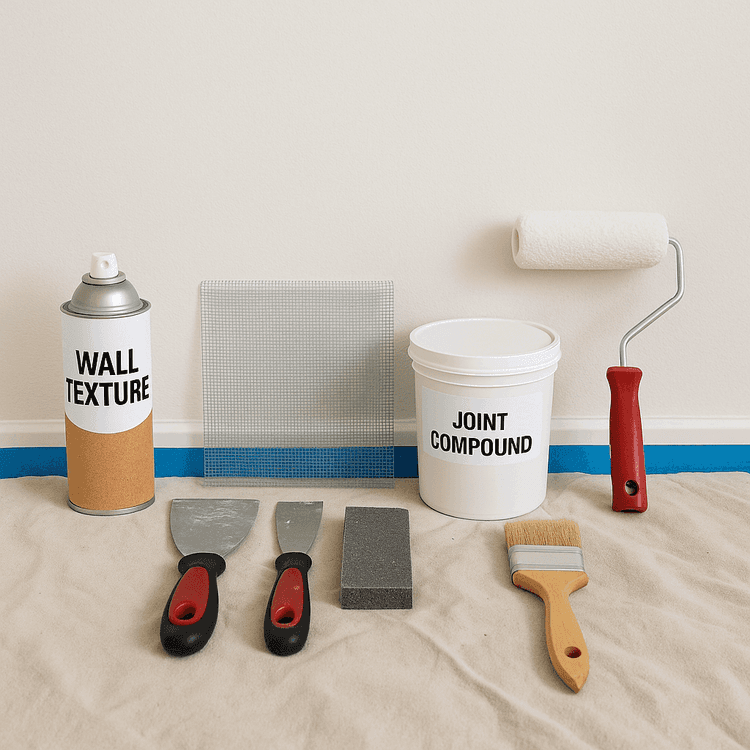
Drywall patching is one of the more tempting DIY jobs because the materials are cheap. But texture matching. Making the patch blend into the surrounding wall. Is where most homeowners struggle. Our DIY drywall repair guide walks through the full process if you want to try it yourself first.
For jobs where the risk of a bad outcome outweighs the savings, hiring a registered local professional is the practical call. Our guide to how to find and hire local handyman services in the Seattle area covers how to find the right fit for smaller repairs across King and Pierce counties.
Frequently Asked Questions
Does a contractor in Washington state need to be licensed?
Yes. Washington state requires contractors to register with the Department of Labor and Industries (L&I) before doing paid work on homes. You can verify any contractor's registration status using the free L&I contractor lookup tool online. Hiring an unregistered contractor puts you at risk if something goes wrong or fails inspection.
How many bids should I get before hiring a contractor?
Get at least two or three written bids for any job over a few hundred dollars. One bid gives you no reference point. Three bids reveal the market rate and expose outliers, both suspiciously low bids and inflated ones. Compare scope of work carefully, not just the bottom-line number.
What's the difference between a handyman and a general contractor in Seattle?
A handyman handles smaller, self-contained jobs: patching drywall, mounting a TV, assembling furniture, fixing a door. A general contractor manages larger projects that often require permits and subcontractors. In Washington, both must be registered with L&I, but licensing thresholds and trade endorsements differ depending on the work scope. The handyman vs contractor Seattle question usually comes down to project size and permit requirements.
Should I pay a contractor upfront?
A small deposit to hold your spot or cover materials is reasonable, typically 10 to 30 percent. Be cautious if someone asks for 50 percent or more before any work begins. Tie remaining payments to project milestones spelled out in writing, so you always have leverage if the work stalls or falls short.
Do small home repairs in Seattle require a permit?
Many minor repairs, such as patching drywall, painting, replacing a faucet, or mounting shelves, don't require a permit. Larger projects like structural changes, electrical panel work, or significant plumbing usually do. When in doubt, check with the Seattle Department of Construction and Inspections or consult L&I before work starts.