You've got a sticking door, a drywall hole from the plumber's last visit, and a TV that still needs mounting. So you search "contractor" and get back a list of people whose day rate starts at $900. Something doesn't add up. The problem isn't the search. It's that "contractor" covers three very different roles, and most homeowners have never had a reason to sort them out.
This guide explains the real difference between a general contractor, a finish carpenter, and a handyman. More practically, it tells you which one your specific job actually needs. So you don't overpay or hire the wrong trade and have to call someone else a week later.
The Real Difference Between These Three Roles
What a general contractor actually does
A general contractor (GC) is primarily a project manager. They don't usually swing a hammer themselves. Their job is to pull permits, hire licensed subcontractors for each trade, coordinate scheduling, and make sure the finished project passes inspection. That's genuinely valuable. On the right job. But you're paying for that coordination layer on every hour of work.
In Washington state, GCs must be registered with WA Labor and Industries (L&I) and carry liability insurance and a bond. For large remodels and new construction, that registration matters a lot. For patching a wall, it's overkill.
What a carpenter covers
Carpentry breaks into two distinct categories, and the difference matters when you're deciding who to hire for home repairs in Seattle.
- Rough carpentry covers structural work: framing walls, floor joists, roof sheathing. It's built to be covered up, not seen.
- Finish carpentry covers everything visible: crown molding, wainscoting, built-in shelves, stair railings, door and window casings. Tight tolerances, clean joints, visible results.
Finish carpenters charge specialist day rates because the work demands precision. A crown molding corner that's off by a degree is visible forever. That skill costs money, and it should. When you actually need it.
Where a handyman fits in
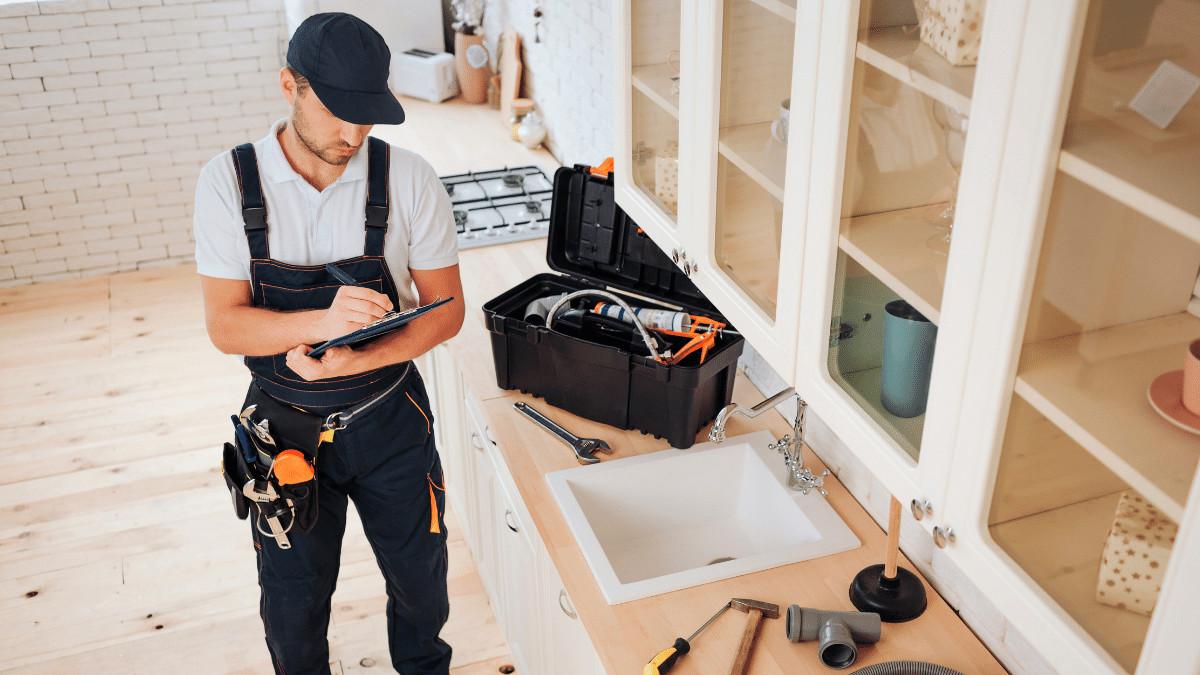
A handyman is a skilled generalist. The work spans a wide range: door and window repairs, drywall patching, TV mounting, shelving installs, furniture assembly, minor fixture swaps, painting prep. No single specialist covers all of that. And no homeowner wants to schedule three separate contractors for a Saturday honey-do list.
Our general handyman services page lists what that scope looks like in practice. The short version: if a job doesn't require a licensed specialty trade or a building permit, a handyman can almost certainly handle it at a lower rate than a GC or specialist.
When You Need a General Contractor
Projects that require permit coordination
Some work in King and Pierce counties legally requires a building permit before it starts. Additions, accessory dwelling units (ADUs), structural wall removals, and full electrical or plumbing reconfigurations all fall into this category. A GC knows which permits apply, files them, and schedules inspections at each stage.
Before hiring anyone for a larger project, you can check whether a permit is required through your local building department. The WA L&I contractor verification tool also lets you confirm that any contractor you're considering is properly registered and bonded.
Full gut remodels and structural work
If you're moving a load-bearing wall, converting a garage into living space, or doing a full gut remodel that touches electrical, plumbing, and framing at once. That's a GC job. The value isn't in any single task. It's in managing five different licensed trades so they don't step on each other.
But if you're replacing a door, patching drywall after a plumber visit, or installing shelving in your Bellevue condo, a GC is overkill. You'd pay coordination overhead for a job that doesn't need coordinating.
When You Need a Finish Carpenter
Custom built-ins and trim work
Seattle and Tacoma have a lot of craftsman bungalows and mid-century homes with original millwork details. Built-in bookshelves flanking a fireplace, wide picture-rail molding, detailed window casings. When that woodwork needs to be reproduced from scratch or extended to match, you want a finish carpenter.
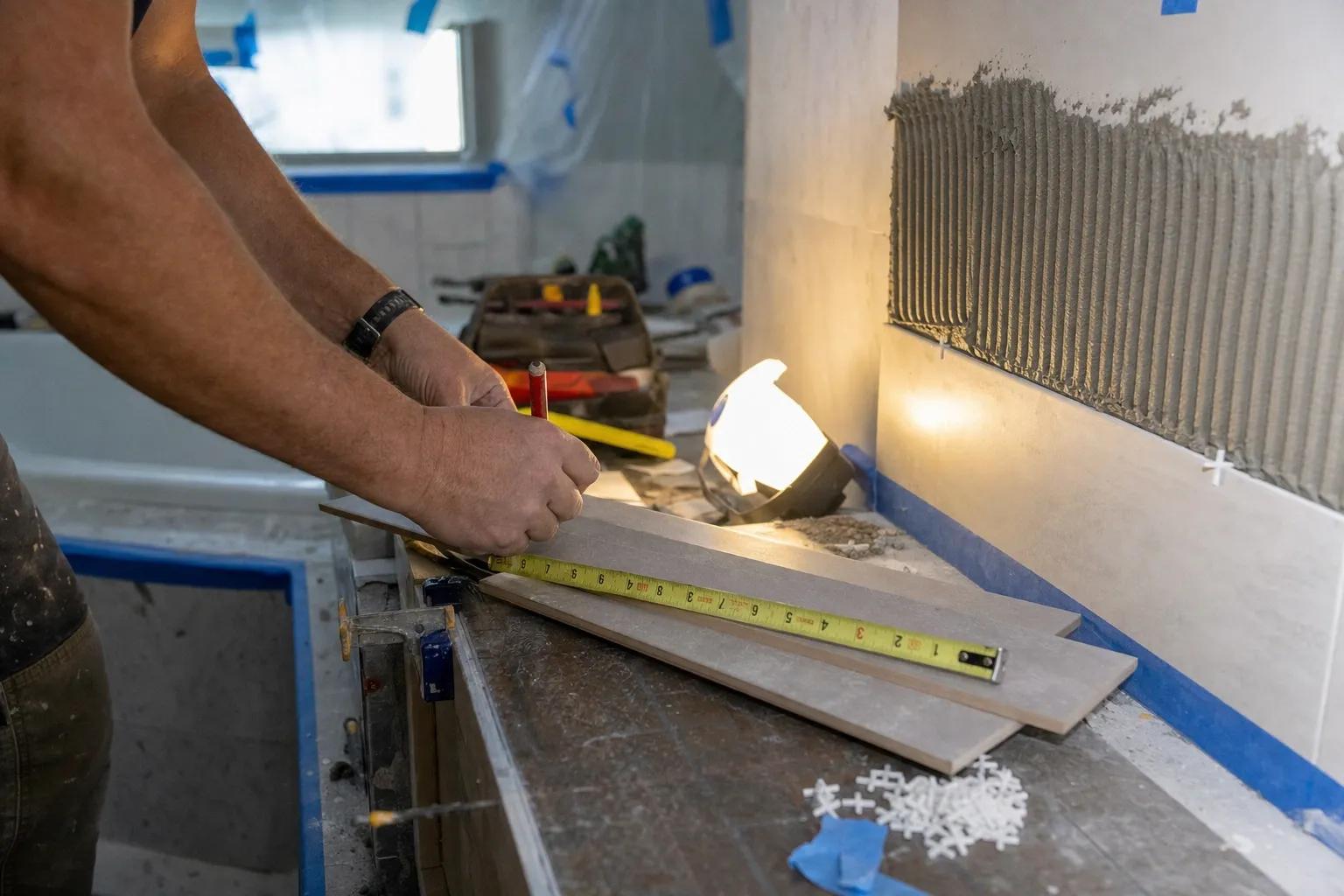
The same goes for wainscoting (decorative wall paneling typically installed from the floor to chair-rail height), intricate crown molding runs in large rooms, and custom stair railings with turned newel posts. These jobs require precise measurements, compound miter cuts, and an eye for grain and proportion. A finish carpenter's day rate reflects that.
Cabinet installation and woodwork
Installing cabinets from scratch. Scribing them to an out-of-plumb wall, shimming for level, securing into studs. Is finish carpentry. So is building a custom kitchen island with face-frame construction.
Swapping cabinet hardware, adjusting hinges, or patching a damaged cabinet face? That's handyman territory. Knowing when to hire a carpenter versus a handyman often comes down to whether the work requires custom fabrication or just a competent install of existing materials. Our bathroom and kitchen remodel services cover the range from touch-ups to full cabinet replacements.
When a Handyman Is the Right Call
Repairs and installs that don't require a single specialist
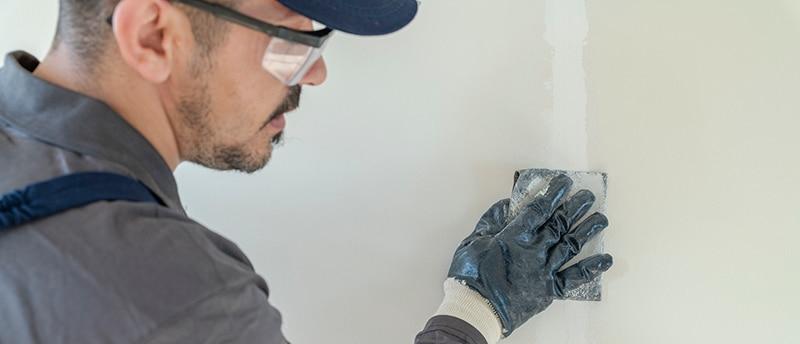
Most home repairs don't fit neatly into one trade. A door that sticks and needs a new strike plate and some weatherstripping isn't a carpenter job, a locksmith job, or a GC job. It's a handyman job. Same with drywall patching after a plumber cuts into a wall. Or a TV mount that also needs cable concealment and a shelf below it.
Carpenter vs handyman cost in Seattle is a real consideration. Finish carpenters and GCs bill at specialist rates even for simple tasks. A handyman handles those same tasks efficiently, without the overhead.
Mid-size projects where a GC would be overkill
A multi-item punch list. Fix two doors, patch three drywall spots, mount a TV, assemble a piece of furniture. Is exactly what a handyman is built for. One visit, one invoice, no scheduling four separate callouts.
Write down what's broken, not what you think the fix is. Let the pro scope it. You might be paying for a specialist's time when a good generalist handles it in an hour.
If you're not sure whether your project qualifies, our guide on how to find and hire a local handyman in the Seattle area walks through what to look for and what questions to ask before you book anyone.
Side-by-Side Comparison
Here's a plain breakdown of each role. What they do, when permits come into play, and where they sit on the cost spectrum.
| Role | Typical projects | Permit involvement | Relative cost | Best for |
|---|---|---|---|---|
| General Contractor | Additions, ADUs, gut remodels, structural changes | Pulls and manages permits across all trades | Highest (coordination markup on all subs) | Complex multi-trade projects that require scheduling and inspection oversight |
| Finish Carpenter | Crown molding, built-ins, custom cabinetry, stair railings, wainscoting | Rarely. Cosmetic and finish work usually permit-exempt | High specialist day rate | Precision custom woodwork where tolerances and grain matching matter |
| Rough Carpenter | Framing, structural sheathing, floor systems | Yes. Structural work requires permits | High; often part of a GC-managed project | New construction or structural remodels under a GC |
| Handyman | Door and window repairs, drywall patching, shelving, TV mounting, furniture assembly, minor fixture swaps | Minimal. Most handyman-scope work is permit-exempt | Lower than specialists; no coordination markup | Repairs, installs, and multi-item lists that don't need a single licensed trade |
How We Approach This in the Seattle Area
What Handyman ST handles. And what we'll tell you upfront if it's beyond our scope
We work across Seattle, Bellevue, Renton, Tacoma, Puyallup, and the rest of King and Pierce counties. In that service area, we see certain jobs come up constantly in the older housing stock. Craftsman bungalows in Tacoma with doors that rack and stick every wet season. Mid-century homes in Renton where settling has pulled frames slightly out of square. Bellevue condos that need shelving, TV mounts, and drywall patches after renovation work.
Most of those "carpenter-looking" problems aren't structural at all. A door sticking in a Puget Sound home after a wet winter is almost always moisture swelling or minor settling. Not a framing failure. The fix is a hand plane, a chisel on the strike plate, and maybe a new hinge. That's an hour of handyman work, not a GC project.
We're registered with WA L&I and carry liability insurance. And we'd encourage you to verify registration for any contractor you hire, including us. If a job genuinely needs a licensed specialty trade or a building permit, we'll tell you that on the first call rather than take work that's not in our scope. Our handyman services in Seattle page covers the areas we serve and the types of projects we typically handle.
For anything involving a true emergency. A door that won't close, a window that won't latch. Our quick-fix guide for emergency home repairs in Seattle covers what can wait and what can't.
Practical Tips Before You Call Anyone
Knowing who to hire for home repairs in Seattle gets easier when you ask the right questions before you pick up the phone. Here's a short checklist.
- Describe what's broken, not what you think the solution is. "The door won't close" is more useful than "I need a new door." Let the pro assess the actual cause.
- Check WA L&I contractor registration before hiring any tradesperson. Washington state requires registration and bonding for any paid construction work. The L&I lookup tool takes about 30 seconds.
- Ask for a written scope of work, not just a verbal quote. Vague agreements lead to scope disputes.
- Ask whether your project needs a permit before work starts. If it does, confirm who pulls it. In most cases, the contractor responsible for the work pulls the permit. Not the homeowner.
- Bundle small jobs into one visit. A handyman visit for three or four items often costs less than three separate specialist callouts, each with its own minimum charge.
Frequently Asked Questions
What's the difference between a general contractor and a handyman in Washington state?
A general contractor manages large or permit-required projects, coordinating multiple licensed trades under one contract. A handyman handles smaller repairs and installs. Door fixes, drywall patches, shelving, TV mounting. Without the overhead. Both must be registered with WA Labor and Industries, but the scope of work they take on differs significantly.
Do I need a general contractor or a handyman to fix a sticking door in Seattle?
Almost always a handyman. Sticking doors in Seattle-area homes are usually caused by seasonal moisture swelling or foundation settling over time. The fix is typically a plane and a rehang. No permit required, no specialist needed. A GC would be overkill and considerably more expensive for this kind of repair.
When should I hire a finish carpenter instead of a handyman?
Hire a finish carpenter when the work demands tight tolerances and complex woodworking. Custom built-ins, intricate crown molding, detailed craftsman millwork from scratch. For straightforward installs like pre-made shelving, cabinet hardware swaps, or standard trim repairs, a skilled handyman handles it at a lower rate. That's the core of the "when to hire a carpenter vs handyman" question: fabrication versus installation.
Does a handyman need to be licensed in Washington state?
Washington state requires contractors. Including handymen performing work for compensation. To be registered with WA L&I and carry general liability insurance. You can verify any contractor's registration on the L&I contractor lookup tool before you hire. Ask any tradesperson for their registration number upfront.
How do I know if my home project needs a permit in King or Pierce County?
Structural changes, electrical panel work, plumbing re-pipes, additions, and ADUs generally require permits in King and Pierce counties. Cosmetic repairs, patching, painting, shelving, and most handyman-scope work typically do not. When in doubt, contact your local building department or ask your contractor before work starts.
Can a handyman handle small bathroom or kitchen repairs without a general contractor?
Yes, for most minor work. Tile repairs, caulking, fixture swaps, cabinet hardware, painting, and patching are standard handyman territory. If the project involves moving walls, relocating drains, or rewiring circuits, that's when a GC or licensed specialty trade is the right call instead.