When disaster strikes your home, quick action can mean the difference between a minor inconvenience and a five-figure insurance claim. Whether you are dealing with a burst pipe in Redmond, a sparking outlet in Bellevue, or storm damage in Sammamish, knowing how to handle emergency home repairs is essential for protecting your property and keeping your family safe.
From rainy winters that bring flooding and roof leaks to windstorms that tear at siding and windows, homes throughout King County face steady weather pressure. This guide from Stanis LLC, a Washington-licensed general contractor and handyman company serving the greater Seattle area, will help you recognize true emergencies, apply safe temporary fixes, and know exactly when to bring in a professional.
Identifying True Emergency Home Repairs
Not every home issue requires immediate attention, but certain situations demand swift action to prevent further damage or safety hazards. Understanding the difference between emergency repairs and routine maintenance saves time and money while protecting your Seattle-area home.
Immediate safety hazards include gas leaks (evacuate immediately and call your utility), electrical sparks or burning smells, structural damage to load-bearing elements, and flooding near live outlets. These situations require professional intervention and should never be treated as DIY projects.
Property-threatening issues include burst pipes, major roof leaks during Seattle's long rain season, sewage backups, broken windows during storms, and heating failures in freezing weather. Temporary measures can limit the damage, but these problems need professional assessment within hours, not days.
Urgent but manageable repairs cover minor plumbing leaks, a single dead outlet, small roof drips, and door or window security problems. These emergency house repairs often allow a temporary DIY fix while you arrange professional service.
The key is assessing the potential for escalation. A small water leak might look manageable, but in Seattle's damp climate it can turn into mold growth and rot within days. Our guide to preventing water damage in Seattle homes covers the early warning signs worth acting on.
Water Damage and Plumbing Emergencies
Water-related problems top the list of emergency home repairs for Seattle-area residents. Between heavy rainfall and aging pipe systems in neighborhoods across Issaquah and Renton, water damage can start suddenly and spread fast.
Burst pipe protocol:
- Shut off the main water supply immediately (find this valve before an emergency happens)
- Turn off electricity to affected areas if water is near outlets or appliances
- Remove standing water with a wet vacuum, pump, or towels
- Document the damage with photos for insurance purposes
- Contact a licensed plumber within 2-4 hours
When you need burst pipe repair in Seattle during a regional cold snap, plumbers can be booked out for days, which makes your own containment work the most important step.
Temporary pipe leak fixes: For minor leaks, plumber's epoxy or a pipe repair clamp works as a short-term solution. A rubber patch secured with hose clamps can hold a small leak for several days. These are stopgap measures only. Permanent pipe repair belongs to a licensed plumber, and pipe replacement inside walls is specialty work that we refer out rather than perform ourselves.
Water heater emergencies: If your water heater is leaking, turn off the power (electric) or gas supply immediately, close the cold water inlet valve, and start draining the tank if flooding is imminent. Failed water heaters usually need replacement. As a market estimate, Seattle-area replacement typically runs $800-$2,500 depending on the type and installation complexity.
Sewer backup response: Sewage backups pose serious health risks and require immediate attention from a licensed sewer contractor. Avoid contact with contaminated water, ventilate the area, and never try to clear a main line blockage yourself. Professional cleanup and sanitization typically runs $3,000-$7,000 as a market estimate, and it is not work a handyman or general contractor should touch.
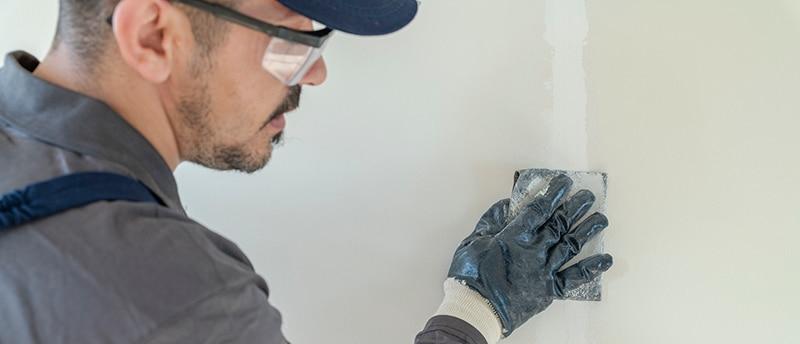
Once the water stops, the cleanup phase begins: soaked drywall, swollen trim, and stained ceilings. That follow-up work is exactly what we do, from drywall repair to repainting and trim replacement. For help telling a supply leak from a drain problem, see our guide to identifying common household plumbing problems.
Electrical System Emergencies
Electrical problems are among the most dangerous home repair emergencies because the worst outcomes are fire and electrocution, not just property damage. Seattle's older housing stock, especially in established neighborhoods, often has aging wiring that is more prone to failure.
Signs of an electrical emergency: Burning smells from outlets or panels, visible sparks, repeated breaker trips, flickering lights throughout the house, and warm or discolored outlet covers all point to serious problems that need a licensed electrician immediately.
Safe temporary measures: If you smell burning or see sparks, shut off power at the main breaker panel. Never touch electrical components with wet hands or while standing in water. Unplug devices from problem outlets and do not lean on extension cords as a workaround.
When to call a professional immediately: Anything beyond changing a bulb or resetting a breaker belongs to a licensed electrician. Panel replacement, rewiring, and other rough electrical work is specialty-trade territory that requires permits and licensed installation in Washington. You can verify any contractor's license through the Washington State Department of Labor and Industries lookup. As market estimates, minor electrical repairs typically run $200-$800, while panel upgrades or rewiring can reach $2,000-$8,000. The cost of an electrical fire dwarfs any repair bill.
For the checks you can safely do yourself, read our home electrical safety tips for Seattle homeowners.
Roofing and Weather-Related Damage
Seattle's climate is hard on roofs. Heavy rain, occasional snow loads, and fall windstorms all create conditions for emergency repairs, and homes in Redmond, Bellevue, and the surrounding Eastside face these weather events every year.
Storm damage assessment: After severe weather, inspect your roof from the ground with binoculars. Look for missing shingles, sagging sections, debris impact, and signs of water penetration. Never climb onto a wet or damaged roof.
Emergency leak response: Place buckets under active leaks and move valuables out of the affected rooms. If a small leak is reachable from the attic, a tarp positioned under it can channel water to a collection point. Larger leaks may need professional tarping to prevent further damage.
Gutter emergencies: Clogged or damaged gutters push water up under roofing materials and down foundation walls. Clear obvious blockages if they are safely reachable, but stay off ladders during storms or on wet surfaces. Our DIY gutter cleaning guide for Seattle homeowners walks through the safe way to do it.
A note on scope: Roof repair and replacement are specialty-contractor work. Stanis LLC does not perform roofing, and we recommend a licensed roofing contractor for anything beyond interior damage control. What we do handle is the aftermath inside your home: water-stained ceilings, damaged drywall, and paint or trim repairs once the roof is sealed.
Heating and Cooling System Failures
A dead furnace during a cold, wet Seattle winter is a genuine home emergency, especially for households with young children or elderly residents.
Furnace troubleshooting before you call: Check the thermostat settings and batteries first, then confirm no breaker has tripped. Inspect the air filter, because a clogged filter is one of the most common causes of shutdowns. For gas furnaces, confirm the gas valve is open and the pilot or igniter is working according to the manufacturer's instructions.
Heat pump issues: Heat pumps, common in the Seattle area's moderate climate, can ice up in winter. Never chip ice off the unit. Switch to emergency heat mode if your thermostat has it and let the defrost cycle run. Keep the outdoor unit clear of leaves, debris, and snow.
Safe backup heat: Electric space heaters with automatic shutoffs, a properly vented fireplace, and electric blankets are all reasonable stopgaps. Never run gas stoves, camping heaters, or generators indoors because of carbon monoxide risk.
Scope and cost reality: HVAC diagnosis and repair belong to licensed HVAC contractors, not to a handyman or general contractor. As market estimates, emergency HVAC calls often carry a 25-50% premium over scheduled rates, typical repairs land between $300-$1,500, and full system replacement runs $3,000-$8,000. Simple items like a thermostat swap ($150-$300 as a market estimate) can usually wait for a regular appointment.
Security and Structural Issues
Home security failures and structural damage need fast attention to protect both the property and the people in it. These emergencies often follow storms, break-in attempts, or slow deterioration that suddenly crosses a line.
Broken window response: Wearing gloves and eye protection, carefully remove loose glass, then cover the opening with plywood or heavy plastic sheeting screwed or taped in place. This keeps out weather and preserves basic security until replacement. Board-ups and temporary window securing are exactly the kind of home emergency services a general contractor and handyman team can deliver same-day. If full replacement is the next step, our Seattle window replacement guide covers costs and timelines.
Door security failures: A broken lock or split door frame compromises your home's security. Reinforce the strike plate with 3-inch screws, add a temporary bar to sliding doors, and document the damage for insurance. Arrange professional repair within 24-48 hours.
Foundation and structural concerns: New foundation cracks, doors that suddenly will not latch, and sagging floors all deserve prompt professional assessment. Seattle's soils, drainage patterns, and settling make these symptoms worth taking seriously. A general contractor can evaluate the damage and coordinate repairs, and significant structural questions should also go through a structural engineer before permanent work begins.
Insurance and documentation: Photograph all damage immediately, note dates and weather conditions, and notify your insurer within 24 hours for structural or security-related damage. Many policies cover temporary board-ups and emergency measures.
What Stanis LLC Handles in an Emergency, and What We Refer Out
Honest scope matters more during an emergency than at any other time. Stanis LLC is a Washington-licensed general contractor and handyman company; you can see our credentials and verify our license directly with L&I. Here is where we fit in a home emergency repair situation:
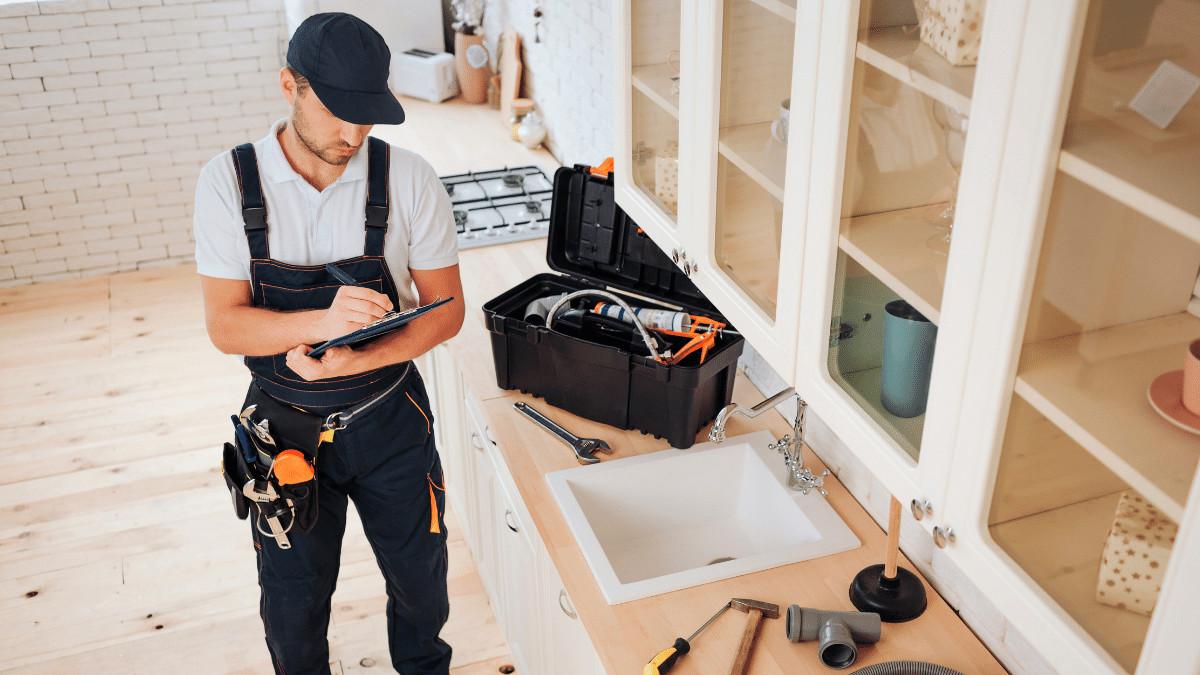
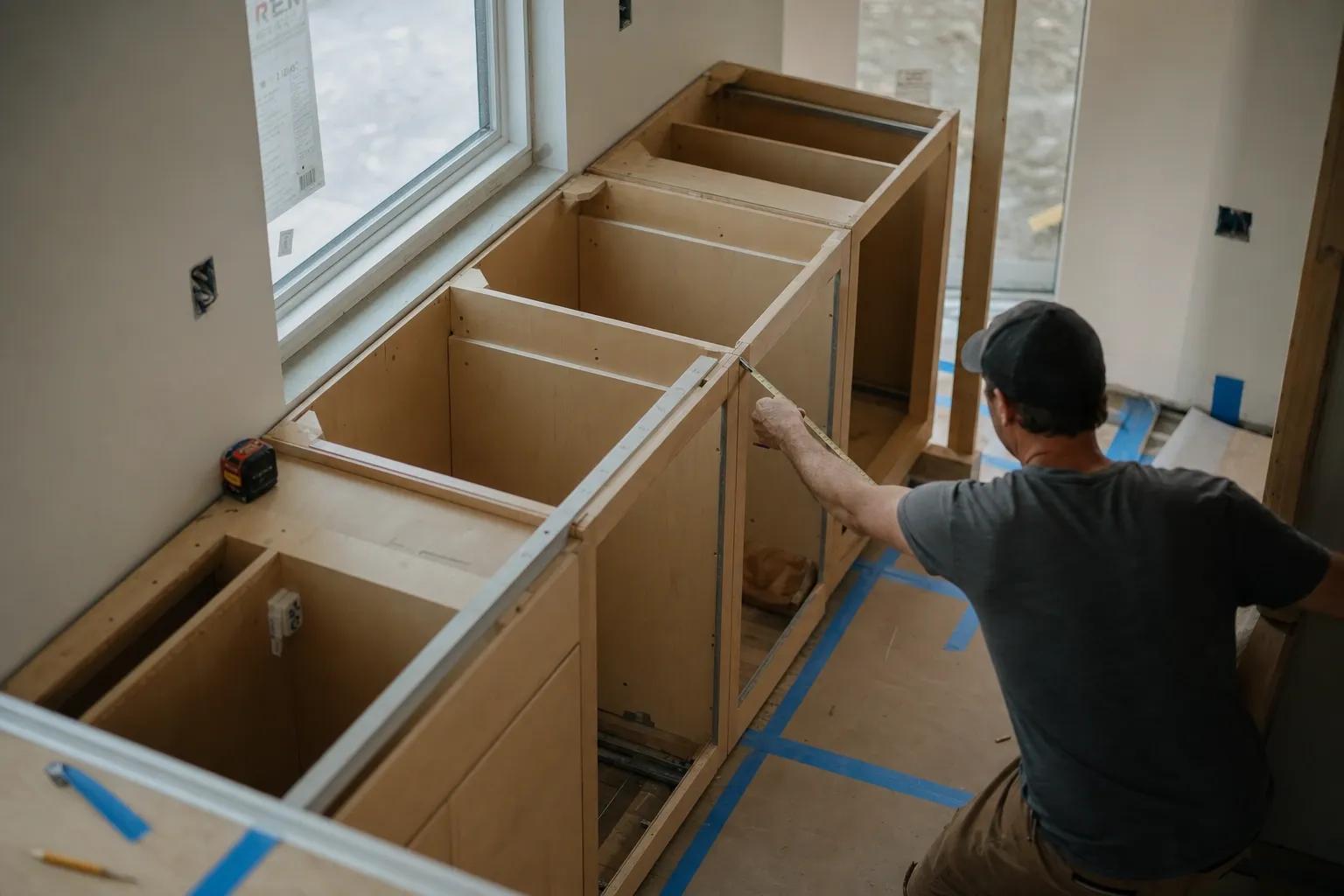
We handle: emergency board-ups, door and window securing, leak containment carpentry, drywall and water damage follow-up repairs, interior repairs after a roof or plumbing leak has been sealed, fence and gate securing, and general stabilization work. You can see the full range on our handyman services page.
Our pricing stays flat and predictable, even for urgent work: $99 for small repairs, $350 for a half-day, and $600 for a full day. That covers most board-ups, containment work, and post-leak drywall patches without surprise after-hours billing.
We refer out: roofing, rough electrical, rough plumbing, HVAC, and sewer or septic work. Those emergencies belong to licensed specialty contractors, and we would rather point you to the right trade than work outside our license scope.
Prevention and Preparedness Strategies
The cheapest home emergency repair is the one that never happens. A little preparation reduces both the frequency and the severity of urgent situations.
Seasonal maintenance: Most emergencies telegraph themselves months in advance. Follow a seasonal home maintenance checklist so roof, gutter, plumbing, and heating problems get caught while they are still cheap, and run through a fall winterization routine before the first freeze.
Emergency supply kit: Keep duct tape, plastic sheeting, plumber's epoxy, a basic tool set, flashlights, and batteries in one known location, along with a printed list of utility shutoff locations and trusted contractor contacts.
Know your shutoffs: Locate your main water valve, gas shutoff, and breaker panel today, and make sure everyone in the household knows where they are. In most emergencies, the first five minutes decide the size of the bill.
Build contractor relationships early: Vetted professionals respond faster and often prioritize existing customers when storms create a surge in demand. Waiting until the ceiling is dripping to find a contractor is the most expensive way to do it.
DIY vs. Professional Help: Making the Right Call
Safe DIY emergency measures: Shutting off utilities, containing leaks, temporary weatherproofing, and basic security fixes are all reasonable for most homeowners. Focus on damage control and safety, not permanent solutions.
Always call professionals for: Gas leaks, electrical faults beyond a breaker reset, structural damage, sewage backups, and any roof work beyond interior damage control. Attempting these without training and equipment usually makes the problem worse and can create real safety hazards.
Cost-benefit analysis: As a market estimate, emergency calls from specialty trades often start at $200-$500 for assessment alone. That stings, but improper DIY repairs can void insurance coverage, violate building codes, and create liability that costs far more. When in doubt, prioritize safety and make the call.
Get Ahead of the Next Emergency
Emergency home repairs are part of owning a home in the Puget Sound region, where weather, aging infrastructure, and seismic activity all take their turns. The homeowners who come through emergencies cheapest are the ones who prepared, acted fast on containment, and knew which professional to call for which problem.
Remember that temporary fixes are exactly that: temporary. Stopping the immediate damage is step one, and proper professional repair is what restores long-term safety and reliability.
Need emergency-scope repairs handled fast?
Stanis LLC is a Washington-licensed general contractor and handyman company serving the greater Seattle area, including Redmond, Bellevue, Sammamish, Issaquah, and Renton. We move quickly on board-ups, leak containment, door and window securing, and drywall and water damage follow-up repairs, and we will tell you straight when your situation calls for a roofer, plumber, electrician, or HVAC specialist instead. Contact us today or email contact@handymanst.com and we will help you get your home back to safe and dry.