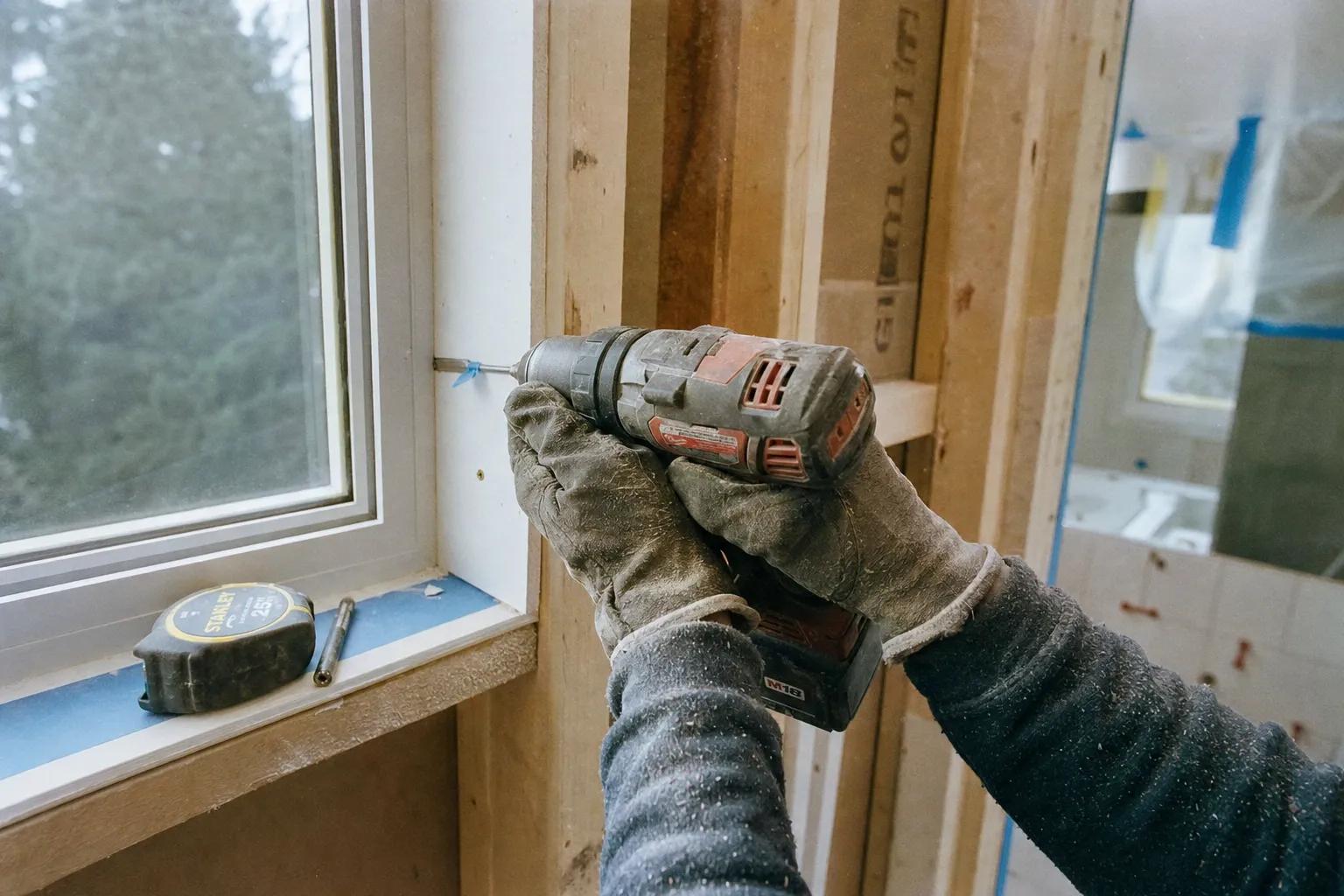
A House Extension Means Different Things Depending on Scope
Small vs. Large: where the line actually falls
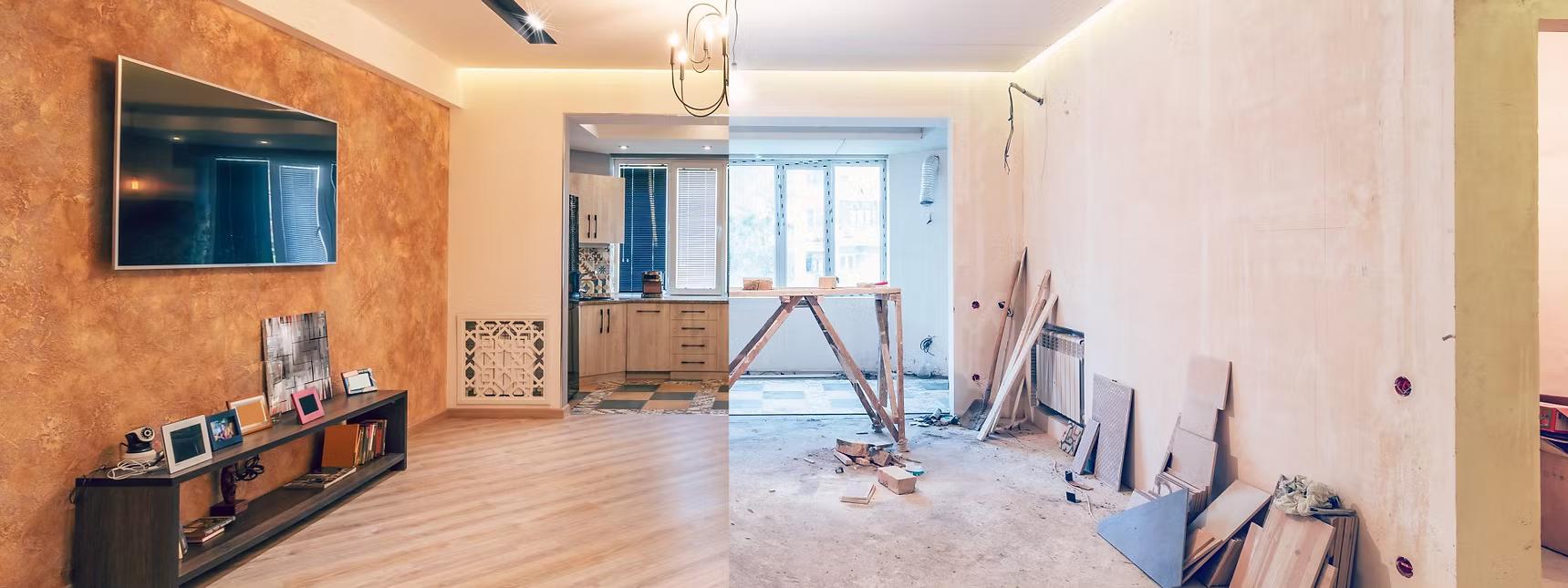
Most homeowners searching "house extension contractor" have one goal: more usable space. But the path to that space varies enormously depending on what your home already has. There's a big difference between converting a finished attic into a bedroom and pouring a new foundation to bump out the back of the house.
The structural end of the spectrum includes anything that adds to your home's footprint, moves load-bearing walls, or requires a new roof section. That work belongs with a licensed general contractor (GC). On the other end, you've got interior remodels, partition changes, and space conversions that stay inside the existing structure.
What 'adding space' really involves in a Puget Sound home
A lot of craftsman bungalows and mid-century homes across Seattle, Bellevue, and Renton have untapped space already inside the envelope. Unfinished basements. Oversized garages. Bonus rooms above the garage with no drywall. These spaces don't require moving an exterior wall. They need finish work.
Before you assume you need a full structural addition, walk your home with a tape measure. Many homeowners in King County discover a well-executed interior conversion meets their needs without the six-figure price tag and six-month permit timeline of a true home addition.
Permits and Licensing: What WA State Actually Requires
When you need a permit in King or Pierce County
Structural additions almost always require a building permit. If you're adding square footage, touching load-bearing walls, or changing your home's footprint, expect to file with the relevant permit office before a single nail goes in. In Seattle, that's the Department of Construction and Inspections (Seattle DCI). In unincorporated King County, it's the King County Permitting Division. Pierce County has its own permit office for cities like Puyallup and Bonney Lake.
Interior, non-structural remodels operate under different thresholds. Adding a bathroom inside existing space, replacing cabinets, or finishing a basement may or may not trigger a permit depending on the scope and jurisdiction. The rule of thumb: if you're touching plumbing, electrical, or structural elements, check first. Don't assume.
WA L&I contractor registration and why it matters
Washington State requires all contractors to be registered with Labor and Industries (L&I). This covers bonding and insurance requirements that protect you as a homeowner. Before you sign anything with any contractor, verify their registration status on the WA L&I Contractor Verify tool. A few seconds online can save you a serious headache later.
Registration is not the same as a license for specific trades. Electricians and plumbers carry separate trade licenses. When you're hiring for a home addition contractor in Seattle or elsewhere in King County, ask specifically about registration, bonding, and insurance. Get it in writing.
The Right Contractor for the Right Scope
Full structural addition: you need a licensed general contractor
To be direct: Handyman ST does not pour foundations, frame new exterior walls, or expand a home's footprint. A full structural room addition in Seattle requires a licensed GC with the crew and subcontractor relationships to manage framing, concrete, roofing, and rough mechanical work. That's a different category of project entirely.
If you need to add square footage to your home, start with a GC who pulls permits, manages subs, and carries general liability insurance scaled to that scope of work.
Interior remodel and space conversion: where Handyman ST fits in
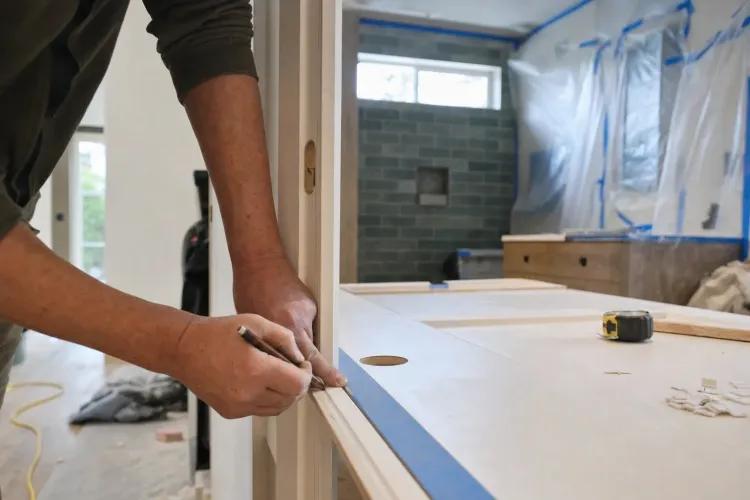
Once the framing is done and inspections are passed, the finish phase begins. That's where our team works. We handle drywall repair and finishing, texture matching, painting, trim, shelving, and small-to-mid bathroom and kitchen remodels inside the new or converted space.
Many homeowners hire a GC for framing and a separate remodel contractor for finish work. That split is common. It often saves money, because GC overhead rates don't apply to tasks that don't require structural expertise.
Comparison table: GC vs. Remodel contractor vs. Handyman
| Factor | Licensed General Contractor | Remodel Contractor (Handyman ST) | DIY |
|---|---|---|---|
| Structural framing and foundations | Yes | No | Not recommended |
| Permit filing (structural) | Yes, typically as owner-builder | No. Refer to GC or permit office | Homeowner can self-permit in some cases |
| Drywall, texture, paint | Via subs | Yes, directly | Possible with skill |
| Bathroom and kitchen buildouts | Via subs | Yes, small-to-mid scope | Partial (no re-pipe or panel work) |
| Crawl space moisture control | Via subs | Yes. Encapsulation and insulation | Possible but labor-intensive |
| Typical cost relative to scope | Higher. Full project management overhead | Lower for finish-only work | Materials only, but risk is higher |
| Timeline for finish phase | Bundled into overall project | Days to a few weeks depending on scope | Longer; depends on availability |
What Handyman ST Can Do Inside Your Extension or Remodel
Drywall and finishing after framing is done
Framing inspection has to pass before drywall goes up. That's not optional. It's how the permit process works. Once the inspector signs off on rough framing and mechanicals, our team can hang drywall, tape seams, skim-coat (apply a thin finishing layer to smooth surfaces), and match existing texture on adjacent walls.
A converted bonus room or finished basement typically takes a few days to drywall and sand, then another day or two for priming and paint. Larger spaces take longer. The work moves steadily once it starts.
Bathroom and kitchen buildouts
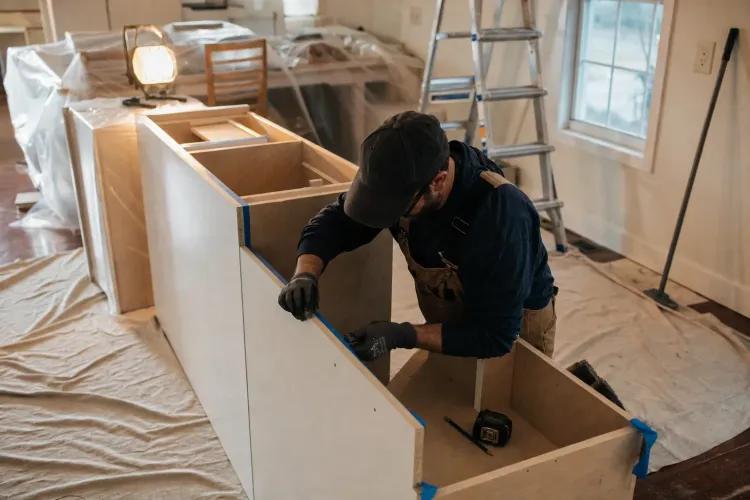
A home addition or space conversion often includes a new bathroom or expanded kitchen. Our team handles tile setting, cabinet installation, fixture mounting, and light carpentry for these buildouts. For full details on what that work involves and what drives the cost, see our guide to labor costs for a bathroom remodel in Seattle.
Kitchen work follows similar logic. Material choices. Cabinet style, countertop surface, tile. Drive timelines as much as labor does. Fixture and cabinet lead times in the Seattle area can add a week or two to a project if you don't order early. For a closer look at the numbers, our kitchen remodel cost planning in Seattle guide breaks down the main variables.
Painting and trim work in the Pacific Northwest climate
New exterior siding on a home addition needs paint before the rain hits. In the Pacific Northwest, that means planning around the June through September window when temperatures stay above 50°F consistently and humidity drops enough for latex paint to cure properly. Apply exterior paint when it's too cold or damp and it won't bond. It'll chalk and peel within a season.
Our exterior painting built for Washington's climate covers siding, trim, fascia, and soffits with coatings selected for the damp conditions here. North-facing walls in particular collect moisture and mildew. We prep those surfaces carefully before any coating goes on.
And if the addition sits over a vented crawl space. Common in older craftsman homes across Seattle and Tacoma. Consider crawl space encapsulation under the new addition as part of the finish phase. A vapor barrier (a thick polyethylene liner sealed to the foundation walls) cuts ground moisture from migrating up into the new floor system. It matters more than most homeowners realize.
Finish the structural work right, then call the finish crew. Mixing the two phases. Or expecting one contractor to master both. Is where budgets and timelines go sideways on most home remodel projects.
Cost Factors and Realistic Timelines
What drives the price of extension-related work
We don't give firm quotes without seeing the job. But the factors that move the number are consistent across King and Pierce counties.
- Square footage of finish area. More wall and ceiling surface means more drywall, more paint, and more time.
- Finish level. Flat paint on bare drywall is fast. Level-5 skim-coat finish (a perfectly smooth wall with no texture) takes significantly longer and costs more in labor.
- Material choices. Tile costs vary widely. Basic ceramic runs far less than large-format porcelain. Cabinets are similar.
- Site access. A basement conversion with a narrow stairwell takes longer to stage and move materials through than an open garage conversion.
- Permit fees and inspection scheduling. These add time and cost to any phase that requires sign-off before the next step begins.
How long different phases take in the Seattle area
Drywalling and painting a converted bonus room: typically a few days to a week, not counting drying time between coats. A 4-inch patch dries in roughly 24 hours before sanding; a full room of fresh drywall mud needs similar staging between coats.
A bathroom buildout inside a new space runs two to four weeks on average. Tile work requires setting, grouting, and a cure period before fixtures go in. And if your fixtures are backordered. Not unusual in the current Seattle-area supply environment. The clock waits for delivery.
Exterior work stops when the weather does. Painting new siding in November in Federal Way or Des Moines is asking for adhesion failure. Budget for summer scheduling if your addition wraps up in the fall.
Practical Steps Before You Call Anyone
Homeowners who do this homework upfront have much smoother projects. Here's the sequence that consistently works:
- Define your goal clearly. Do you need net new square footage, or do you need better use of existing space? That question determines your contractor type.
- Check zoning and setbacks. Your city or county planning department can tell you what's allowed on your lot before you spend money on plans. Seattle, Bellevue, and Tacoma each have different ADU (accessory dwelling unit) and addition rules.
- Get a structural assessment if needed. If you're touching walls and don't know which ones are load-bearing, hire a structural engineer or experienced GC before making any assumptions. Load-bearing walls in mid-century Seattle homes are not always where you'd expect them.
- Separate the structural scope from the finish scope. Write them down as two distinct phases with two separate budgets. This lets you get accurate quotes for each without the numbers bleeding together.
- Call the right contractor for each phase. For structural work, a licensed GC. For finish work inside the space. Drywall, paint, bathroom and kitchen buildouts, shelving, trim. That's where our team comes in across Seattle, Renton, Issaquah, Auburn, Tacoma, Puyallup, and the rest of King and Pierce counties.
One more practical note: homeowners who separate finish work from the GC contract often find the finish phase costs less. A GC managing everything adds overhead and markup on subs. Hiring a remodel contractor directly for finish work cuts that layer out. It requires more coordination on your part, but the savings can be meaningful on a large addition project.
For a broader look at keeping your home in shape year-round, the Seattle home maintenance checklist is a practical reference for what to watch and when.
Frequently Asked Questions
Do I need a permit for a house extension in Seattle?
Almost always yes. Any work that adds square footage, moves load-bearing walls, or changes your home's footprint requires a building permit from the city or county. Filed with Seattle DCI, King County Permitting, or Pierce County's permit office depending on your location. Interior non-structural remodels sometimes fall under different thresholds. Check before any work starts.
What is the difference between a general contractor and a handyman for a home extension?
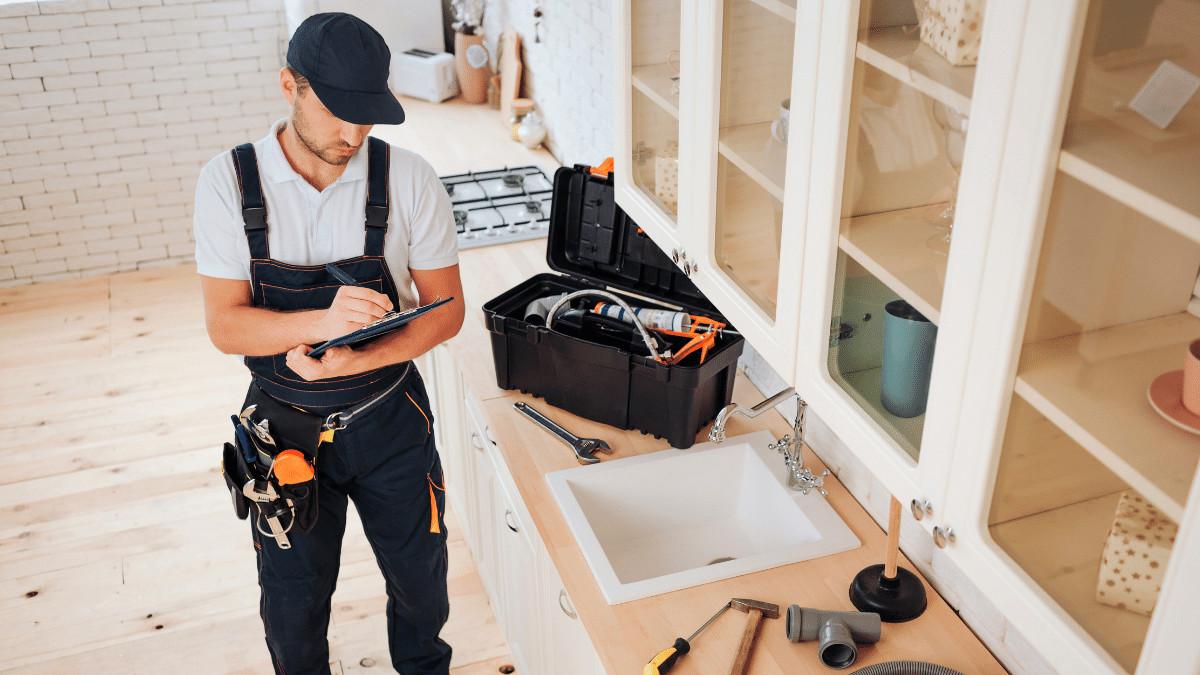
A licensed general contractor manages structural additions: framing, foundation work, roofing, and rough mechanical systems. A handyman or remodel contractor handles finish work inside that space: drywall, painting, cabinets, tile, and fixtures. Many homeowners use both, hired for separate phases. That division is common on small home addition projects in King County.
How much does a house extension cost in the Seattle area?
Costs vary widely by scope. Structural additions in King County often reach six figures when permits, engineering, framing, and systems are included. Finish-side work. Drywall, paint, a bathroom buildout. Costs considerably less. Get separate quotes for structural and finish phases so you understand each budget independently before committing to either.
Can a handyman do the interior finishing work after a home addition is framed?
Yes, for most finish tasks. Once framing and rough mechanicals pass inspection, a handyman or remodel contractor can handle drywall, texture, painting, shelving, trim, and bathroom or kitchen work. That split is common on home remodel contractor projects across the Puget Sound area and often saves money compared to having one GC manage everything end to end.
How long does it take to finish the interior of a house extension in Seattle?
Finish timelines depend on scope. Drywalling and painting a converted bonus room typically takes a few days to a week. A full bathroom buildout inside new space can take two to four weeks, depending on tile, fixture lead times, and inspection scheduling. Wet Seattle winters also slow exterior paint and caulk work, so plan exterior finishing for the summer months.