The Low Bid That Can Turn Into a Legal and Financial Mess
The quote comes in $800 cheaper than everyone else. No paperwork, cash only, available this weekend. It sounds like a win. But three weeks later the work is half done, the contractor's phone goes to voicemail, and you're left holding a patched-together mess you paid for in full.
This happens more often than most homeowners expect, especially in a market like Seattle and the greater Puget Sound area, where demand for home services stays high year-round. Washington state has specific registration and bonding requirements that exist precisely to protect you in that situation. This article walks you through what those requirements mean, what you actually risk when they're missing, and how to verify any contractor's credentials before a single dollar changes hands.
What Washington State Actually Requires of Contractors
Registration vs. Licensing: What's the Difference?
In Washington, the term most people use is "licensed contractor," but the state's official term is registered contractor. The Washington State Department of Labor and Industries (L&I) requires any person or company doing paid construction or repair work to hold an active contractor registration before taking on jobs. Operating without one is a violation of state law on the contractor's part.
Registration and a trade license are different things. An unlicensed contractor in the registration sense means they haven't met the state's baseline business requirements. Separately, trades like electrical and plumbing require their own state-issued trade licenses on top of contractor registration. Our team refers those trades out rather than attempt them. We're not set up for full electrical re-wires or plumbing re-pipes, and no honest registered handyman company should be.
Bonding and Insurance Requirements
To register with L&I, a contractor must carry a surety bond of at least $12,000 and maintain active general liability insurance. The surety bond (a type of financial guarantee paid by a bonding company) protects you if the contractor abandons the job or delivers defective work and can't pay to fix it. The liability insurance covers damage the contractor causes to your property during the project.
Both must stay active throughout registration. If either lapses, the registration becomes invalid, even if the contractor's name is still in the system. That's why you check the current status, not just the name.
Real Risks You Take When You Hire Without Verifying
No Bond Means No Recourse if the Job Goes Wrong
Without an active surety bond, you have no financial backstop if the contractor walks. Small claims court is an option, but collecting a judgment from someone who has already disappeared is a different problem entirely. The bond exists so you don't have to chase anyone.
Your Homeowner's Insurance May Deny the Claim
Insurance companies routinely deny claims for property damage caused by unregistered contractors. The logic is straightforward: you hired someone who wasn't legally authorized to do paid work, and the damage resulted from that work. Your policy may treat it the same way it would treat damage from your own negligence. That ceiling you had "patched" turns into a dispute your insurer won't touch.
You Could Be Liable for Worker Injuries on Your Property
An uninsured worker who falls off a ladder on your property can file a premises liability claim against you. Registered contractors carry workers' compensation coverage or are exempt under specific legal conditions. An unregistered one almost certainly doesn't have either. That $800 savings can become a five-figure legal exposure before you know what happened.
Permits and Resale Complications
Many remodeling and structural jobs in Seattle and King County require a permit. Unregistered contractors almost always skip them because pulling a permit creates a paper trail. Unpermitted work doesn't disappear quietly. It shows up during a home inspection at resale. Buyers can demand it be remediated, priced off the sale, or torn out and rebuilt to code. In some cases, that means ripping out a finished bathroom that was never inspected. Doing it right the first time is cheaper, always.
For more on protecting your home investment, the Seattle home maintenance checklist covers what to stay on top of seasonally so small problems don't become big ones.
Red Flags to Watch for Before You Sign Anything
Some warning signs are obvious once you know what to look for. Others feel like flexibility or a good deal until the job goes sideways.
- Asks for a large cash deposit upfront, often 50% or more before any work starts
- Won't provide a written contract or gives you one with no company address or registration number
- Can't produce a UBI number (their nine-digit Washington business identifier) when you ask
- Has no verifiable local address, just a cell number and a first name
- Pushes you to skip permits, often framed as saving time or money
- Quote is dramatically lower than every other bid you received, with no clear explanation why
- Pressures you to decide immediately, before you've had a chance to verify anything
Word of mouth gets you to the conversation. It doesn't replace five minutes on the L&I lookup. A neighbor's good experience doesn't tell you whether the bond is active today.
That last point matters more than people expect. Referrals are valuable, but registration can lapse, insurance can expire, and contractors who did good work two years ago may not be in good standing now. Always verify directly.
How to Verify a Contractor's Credentials in Washington State
The WA L&I contractor lookup tool is free, takes about five minutes, and gives you everything you need. Here's the process:
- Ask the contractor for their UBI number or their L&I contractor registration number before any work starts.
- Go to the WA L&I contractor lookup and search by name or number.
- Confirm the registration status reads "active," not "expired" or "suspended."
- Check that their bond and general liability insurance are both current, not just listed.
- Note the expiration dates. If either is close to expiring, ask for a current certificate.
- For larger jobs, ask the contractor to provide a certificate of insurance that names you as an additional insured. That gives you direct coverage if something goes wrong.
That's it. You're not doing a background check or an audit. You're confirming the state's minimum requirements are met. Any legitimate contractor will hand you their registration number without hesitation.
DIY vs. Registered Pro: When Each Makes Sense
Not every home task requires hiring a registered contractor. Hanging a picture, touching up paint on a small interior wall, or tightening a cabinet hinge is well within what most homeowners can handle safely. But the jobs that involve structure, moisture, or materials that affect future inspections are a different story.
| Task | DIY-Reasonable? | Registered Pro Recommended? | Why It Matters |
|---|---|---|---|
| Picture hanging, minor touch-up paint | Yes | Not required | Low stakes, cosmetic only |
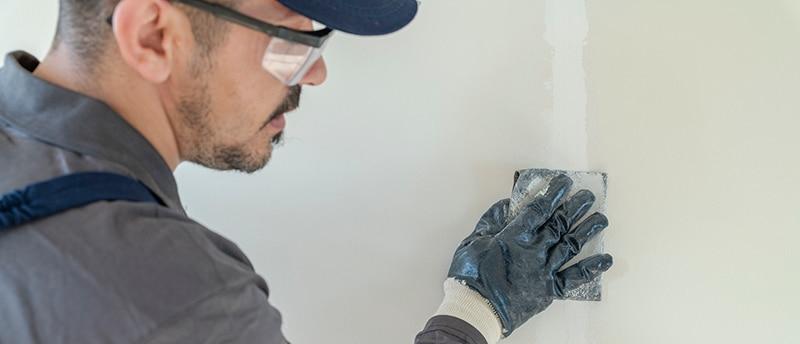
| Drywall patching (small holes) | Possible with patience | Recommended for matching texture | Texture matching is harder than it looks |
| Exterior painting (full repaint) | Difficult at scale | Yes | Surface prep and paint selection affect years of durability |
| Crawl space vapor barrier installation | Not advised | Yes | Improper sealing causes moisture damage and poor air quality |
| Bathroom or kitchen remodel | Partial tasks only | Yes, permits often required | Unpermitted remodels cause resale problems |
| Full electrical re-wire or plumbing re-pipe | No | Yes, licensed trade required | Separate state trade licenses required beyond contractor registration |
For the work our team handles, including drywall repair, exterior painting, bathroom and kitchen remodels, and crawl space encapsulation, registration and insurance matter because the jobs involve materials, permits, and conditions that affect your home's structure and value. Our general handyman services page outlines the full range of tasks we cover.
If you're weighing what to tackle yourself versus calling someone, the guide on how to find and hire local handyman services in the Seattle area gives practical guidance on scoping a project before you pick up the phone.
How Handyman ST Approaches This in the Seattle Area
Handyman ST is a registered Washington state contractor. Our registration, bond, and liability insurance are all active and verifiable through the WA L&I contractor lookup using our UBI number. We don't ask you to take our word for it.
We serve homeowners across King and Pierce counties, from handyman services in Seattle to Bellevue, Renton, Tacoma, Puyallup, and points in between. A lot of the housing stock in these areas, especially the Craftsman bungalows built in the 1920s and 1930s and the mid-century homes scattered through south Seattle and older Tacoma neighborhoods, carries years of deferred maintenance. That combination of needed work and tight budgets is exactly where low-ball bids from unregistered operators show up most often.
We pull permits when the job requires them. We carry insurance that covers your property. And we'll tell you plainly when a job is outside what we do, like a full electrical panel upgrade or a sewer re-pipe, rather than take money for work that requires a separate trade license we don't hold.
For situations where something has gone wrong unexpectedly, the guide to emergency home repairs in the Seattle area covers how to assess urgency and who to call based on what you're dealing with.
Frequently Asked Questions
Is it illegal to hire an unlicensed contractor in Washington state?
Hiring an unregistered contractor isn't a criminal offense for the homeowner, but it strips away nearly all your legal protections. If the work is defective or the contractor disappears, your recourse is limited. Washington state bars unregistered contractors from advertising or taking paid jobs, so the legal burden falls on them, not you.
How do I look up a contractor's license in Washington?
Go to the Washington State Department of Labor and Industries contractor lookup tool online. Enter the contractor's name or their UBI number. The result shows whether their registration is active, when it expires, and whether their bond and liability insurance are current. It takes about five minutes and costs nothing.
What is a UBI number and why does it matter?
UBI stands for Unified Business Identifier, a nine-digit number assigned to every registered Washington business. For contractors, it ties directly to their L&I registration record and confirms they're authorized to take paid jobs. Always ask for it before signing a contract, then verify it yourself at the L&I lookup rather than taking their word for it.
Can I do my own home repairs without a contractor license in Seattle?
Homeowners can legally do their own repairs in Washington without a contractor registration, as long as you own and occupy the home. Certain work still requires permits even for DIY projects. And once you hire someone else to do the work, that person must be registered with WA L&I before they can legally take payment.
What happens if unpermitted work is discovered when I sell my home in Seattle?
Unpermitted work must be disclosed to buyers under Washington state law. It can reduce your sale price, cause buyers to walk away, or require you to pull a retroactive permit and bring the work up to code. In some cases the work has to come out entirely. Getting permits done correctly the first time is far cheaper than fixing it at resale.