You walk around your house in March, notice the paint peeling off the north-facing wall, and think: how bad is this going to cost me? That's the right question to ask before calling anyone. Exterior remodeling cost in Seattle doesn't follow a simple price-per-square-foot formula. It depends on what's under that failing paint, how many stories your house has, what your siding is made of, and how much prep the surface actually needs.
This guide covers the real cost factors for exterior home improvement in King and Pierce counties, so you can budget honestly before a contractor ever shows up.
Why Exterior Remodeling Costs More in the Pacific Northwest
How the Puget Sound climate drives up material and labor costs
Seattle averages around 150 days of rain per year. That sustained moisture does real damage to wood siding, caulk lines, and paint films. North-facing walls get almost no direct sun, so they stay damp longer and develop mildew (a fungal growth that appears as dark streaking). Cleaning that off before painting requires a TSP (trisodium phosphate) wash, which is extra labor and materials before anyone opens a paint can.
Craftsman bungalows in Wallingford, mid-century ramblers in Renton, cedar-sided colonials in Bellevue. All common housing stock here, and all have different prep requirements. Western red cedar siding soaks up moisture more readily than fiber cement, so it needs careful priming on bare wood. Fiber cement has its own rules: it must be back-primed (sealed on the back face) before installation or it'll swell along the bottom edge within a few seasons.
Why the painting window (June-September) compresses scheduling
Latex paint needs air and surface temperatures above roughly 50°F to cure properly. It also needs dry conditions during application and for at least 24 hours after. In the Puget Sound area, that window runs from about late June to mid-September in a typical year. Four months sounds like enough time. It isn't, once you account for contractor schedules and the fact that every exterior painter in King and Pierce counties is trying to fill the same calendar.
That demand compression can push prices up in peak months. Booking early, or being flexible about your start date in early June or mid-September, gives you more options. Any contractor you hire for exterior work should be registered with Washington State L&I. Verify their registration number before signing anything.
Exterior Projects We Commonly Handle. And What Each One Costs
Exterior painting: siding, trim, doors, soffits, and fascia
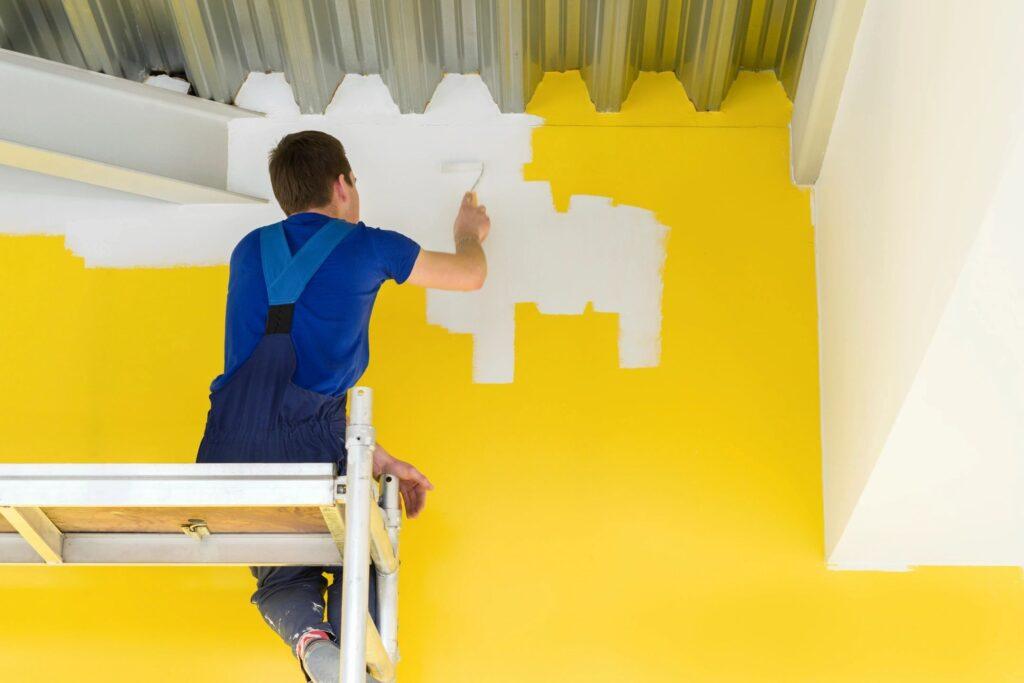
A full exterior paint job is the single most common exterior remodeling project we do across Seattle, Tacoma, Federal Way, and Puyallup. Cost varies with home size, siding type, number of stories, and prep scope. A compact single-story home with good existing paint condition costs considerably less than a two-story craftsman with intricate trim, failing caulk, and mildew staining on two walls.
Trim-only repaints are worth considering if your field siding is still in decent shape. Painting just the fascia, soffits, window casings, and corner boards refreshes curb appeal at a fraction of full-house cost. Our exterior painting services cover siding, trim, doors, and more, with coatings chosen specifically for Washington's wet climate.
Siding repair and spot patching
Rot repair on lap siding follows a clear process: probe soft boards, cut out the damaged section to solid wood, sister in new framing if the rot has reached a stud, then install a new board, prime all four faces of the patch before it goes up, and topcoat after the primer dries. Skip that prime step on bare wood and you'll watch it peel within a wet season.
Siding repair cost in the Pacific Northwest depends almost entirely on how far the rot has spread. A single 8-foot board is a small repair. Three boards with a rotted sill plate beneath them is a different project.
Door and window trim replacement
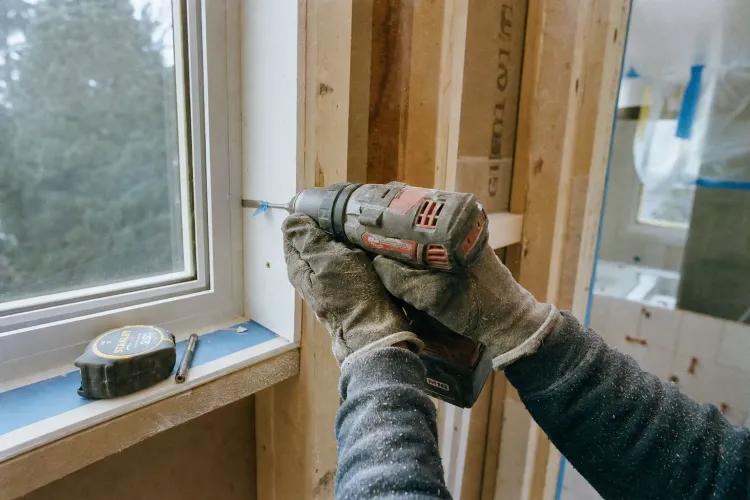
Failed caulk around window and door frames is one of the most common sources of siding rot in Seattle homes. Water gets behind the trim, sits in the rough opening, and eventually rots the jack studs (the vertical framing members on either side of the window). Replacing trim boards, re-caulking with a paintable polyurethane sealant, and repainting the affected area is a reasonable scope for a handyman crew and much cheaper than discovering structural rot later.
Crawl space moisture work that affects exterior framing
Moisture doesn't only attack siding from the outside. In vented crawl spaces. Common in older Seattle and Tacoma homes. Ground moisture rises, condenses on floor joists and sill plates, and rots framing from below. That interior rot eventually shows up as soft spots in siding near the foundation line. Addressing the source with crawl space encapsulation and moisture control protects the exterior framing just as much as good paint does.
Key Cost Factors. What Drives Your Final Number
No two exterior jobs in King County cost the same. The table below shows the main variables and how much each one typically moves the total.
| Cost Factor | Price Impact | Notes |
|---|---|---|
| Home size (square footage of painted surface) | High | Larger surface area means more material and more labor hours |
| Number of stories | Medium-High | Two-story homes need extension ladders or scaffolding, adding setup time |
| Siding material and condition | High | Cedar requires more primer coats; fiber cement needs specific coatings; vinyl may not need painting at all |
| Prep work required | High | Mildew remediation, scraping, caulk removal, and spot priming are billed as labor |
| Paint product grade | Medium | Premium lines like Sherwin-Williams Duration or Benjamin Moore Aura Exterior cost more per gallon but hold up better in wet climates |
| Trim complexity | Medium | Craftsman homes with wide banding, brackets, and detailed window casings take longer to cut in (brush-apply paint along edges) |
| Rot repair scope | Variable | Can be minor (one board) or significant (multiple boards plus framing); often unknown until work starts |
Home size and surface area
Painters and contractors price exterior work based on paintable square footage, not the home's living area. A 1,500 sq ft house on one story might have less exterior surface than a 1,200 sq ft two-story with lots of gable trim. Walk your perimeter and note every surface: siding fields, fascia boards (the horizontal boards at the roofline), soffits (the underside of the roof overhang), window casings, and doors.
Siding material and condition
Old latex paint applied over an oil-based primer needs more prep, or it'll peel within a season. The two coatings don't bond well without scuff sanding. Knowing what's already on the wall saves surprises mid-project.
Prep work: scraping, caulking, priming
Mildew-stained north-facing siding needs a TSP wash before any primer goes on. TSP (trisodium phosphate) is a heavy-duty cleaner that kills the mildew spores; skipping it means the new paint will develop dark staining within a year. That wash step adds time and cost, but it's not optional in the Pacific Northwest.
Number of stories and access difficulty
Two-story work means extension ladders at minimum, and scaffold on taller or steeper homes. Each setup and takedown adds labor hours. Tight side yards. Common in Seattle's denser neighborhoods. Make reaching some walls harder and slower.
Paint or coating product grade
Premium exterior paints cost more per gallon but often cut back on recoat cycles in wet climates. Sherwin-Williams Duration and Benjamin Moore Aura Exterior are two examples of high-build coatings that maintain a thicker paint film through multiple wet seasons. That film thickness is what keeps moisture from reaching the wood underneath.
DIY vs. Professional Exterior Remodeling in Seattle
When DIY makes sense
Painting a garden fence, a single door, or a small outbuilding is reasonable work for a handy homeowner with a weekend. The stakes are low, access is easy, and a mistake costs a can of paint and some time. Small caulk repairs around a single window are also well within DIY range.
When to call a pro
Full-house painting involves ladder work at height, surface prep decisions that affect how long the paint lasts, and cure-time management in cool Pacific Northwest weather. A misjudged moisture reading before priming leads to bubbling paint within months. Rot repair requires knowing how far the damage extends before you start cutting. These aren't tasks where a mistake is cheap to fix.
The table below breaks down common exterior projects by how feasible they are for a DIY approach.
| Project Type | DIY Feasibility | Risk if Done Wrong | Pro Recommended? |
|---|---|---|---|
| Single door or fence painting | High | Low (cosmetic only) | Optional |
| Caulk replacement around one window | High | Low-Medium (water intrusion if done poorly) | Optional |
| Full exterior house painting | Low-Medium | High (early peeling, moisture damage, fall risk) | Yes |
| Lap siding rot repair | Low | High (missed rot spreads to framing) | Yes |
| Window trim replacement | Medium | Medium (air/water leaks if not sealed correctly) | Recommended |
| Two-story soffit and fascia painting | Low | High (fall risk, access complexity) | Yes |
Moisture-related exterior damage often starts subtly. Our guide on water damage prevention for Seattle homes walks through the early signs to watch for before they turn into structural repairs. And if you want a broader view of what to tackle each season, the Seattle home maintenance checklist is a useful reference year-round.
How Handyman ST Approaches Exterior Work in King and Pierce Counties
Our prep process for wet-climate painting
Before we prime anything, we check the substrate with a pin-type moisture meter. This tool measures the moisture content inside the wood by driving two small pins into the surface. Paint applied over wood with high moisture content traps that water inside, and the paint film bubbles and peels within months. Most paint manufacturers specify a maximum moisture content of around 15% before coating.
Painting over wet wood is one of the most common and expensive mistakes in exterior work. A few minutes with a moisture meter before priming saves a full repaint job a year later.
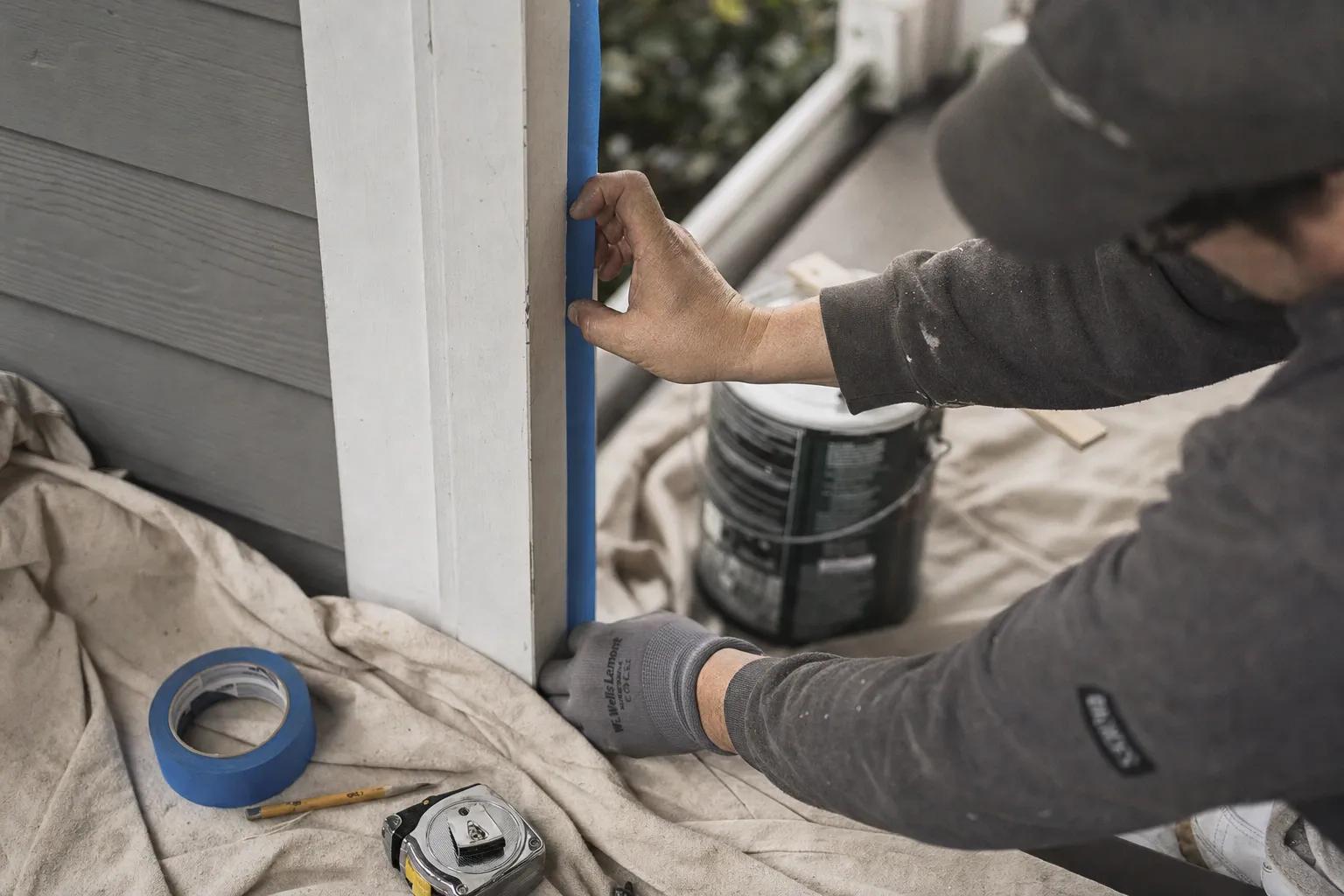
After the moisture check, we scrape any loose paint, sand feathered edges so they're flush, wash mildew-stained areas with TSP, and spot-prime all bare wood before any topcoat goes on. That sequence isn't optional. It's what separates a paint job that lasts eight years from one that starts failing in two.
Scheduling around the Pacific Northwest dry window
We book exterior painting jobs from June through September as a general rule. Protected areas like soffits and north-facing covered trim can sometimes be done outside that window if conditions are right. We don't paint in rain, and we don't paint when overnight temperatures are forecast to drop below 50°F. Both of those situations prevent proper cure.
We serve homeowners across Seattle, Bellevue, Issaquah, Renton, Federal Way, and down through Pierce County. If you're in the south Sound area, our team handles exterior painting in Tacoma and surrounding communities including Puyallup and Bonney Lake. Scheduling earlier in the spring for a summer start date is usually the most reliable path.
Practical Tips Before You Request a Quote
A little prep on your end makes the quoting process faster and the final number more accurate.
- Walk the perimeter and probe the siding. Press a flathead screwdriver firmly against each board, especially near the bottom edge and around window frames. If it sinks in without much resistance, the wood has rotted and needs replacement before any painting happens.
- Check caulk lines around every window and door. Failed caulk lets water behind the siding. Look for gaps, cracking, or sections where the caulk has pulled away from the frame.
- Know your siding material. Fiber cement, wood lap, T1-11 plywood siding, vinyl, and stucco all have different prep and coating requirements. If you're not sure what you have, a contractor can identify it on site.
- Ask any contractor about their primer step. Skipping primer on bare wood is a red flag. Any pro who says primer isn't necessary on freshly exposed wood is cutting corners that you'll pay for later.
- Confirm permit requirements for larger scope work. Exterior painting typically doesn't need a permit. Structural siding replacement over a significant area may require one depending on your city. Check with your local building department before work starts. Not after.
For a broader set of exterior and interior repairs, our general handyman services page covers what our team can handle across King and Pierce counties. And if your project is specifically paint-focused, the exterior painting services page has more detail on our process and coating choices.
The EPA's guidance on mold and dampness is also worth reading if you're dealing with visible mildew on exterior surfaces. It helps distinguish surface mildew from deeper moisture problems that need more than a paint job.
Frequently Asked Questions
How much does it cost to paint the exterior of a house in Seattle?
Exterior painting cost in Seattle varies with home size, siding type, number of stories, and prep scope. A small single-story home in good condition costs considerably less than a two-story craftsman with mildew damage and failing caulk. Condition is the biggest wildcard here. Remediation and rot repair add to the total before painting begins.
What exterior remodeling projects give the best return in the Pacific Northwest?
Fresh exterior paint and repaired trim protect home value in a wet climate. Failing paint means water reaches siding and framing, and structural repairs cost far more than a paint job. Crawl space moisture control also protects exterior framing from below, making it one of the more overlooked but worthwhile exterior investments.
Can you paint a house exterior in Seattle in the fall or winter?
Generally, no. Latex paint needs air and surface temperatures above roughly 50°F to cure, and it needs dry conditions during application and for at least 24 hours after. Most exterior painting in the Puget Sound area happens June through September. Soffits and covered trim can sometimes be done outside that window when conditions allow.
How do I know if my siding needs repair before painting?
Press a screwdriver firmly into siding boards near the bottom edge and around window frames. If it sinks in with light pressure, the wood has rotted and needs replacement before painting. Bubbling paint, dark staining, or soft spots when you push are all signs. Painting over rot just hides the problem temporarily.
Does Handyman ST handle permits for exterior painting and siding work?
Exterior painting typically does not require a permit. Structural siding replacement over a larger area may require one depending on your city's building department. We'll flag any scope that looks like it might cross that line and recommend you verify with your local building department before work begins.