When Seattle area homeowners notice drafts, condensation between panes, or heating bills that climb every winter, window replacement moves up the priority list fast. Whether you live in Redmond, Bellevue, or Sammamish, understanding window replacement cost in Seattle before you sign a contract can save you thousands of dollars and months of headaches.
The Pacific Northwest climate is hard on windows. Persistent winter rain, temperature swings, and seasonal storms mean your windows have to manage moisture year-round, not just look good. This guide walks through realistic Seattle-market pricing, project timelines, material choices, and how to vet window contractors so your project goes right the first time.
Window Replacement Cost in Seattle: What to Expect
Window installation cost depends on window type, size, frame material, and how complicated the installation turns out to be. Seattle pricing tends to run above national averages because of local labor rates and permit requirements, but in our heating-dominated climate, quality windows earn their keep over time. All figures below are Seattle-market estimates rather than fixed quotes, so confirm pricing with written bids before you commit.
Typical per-window installed pricing (Seattle-market estimates):
- Vinyl double-hung windows: $400-700 each. The most common choice for area homes and the best value for the majority of projects.
- Fiberglass and composite windows: $600-1,000 each. Stronger frames and better thermal stability, a good fit for larger openings.
- Wood and wood-clad windows: $800-1,500 each. Popular in historic Seattle neighborhoods and higher-end Bellevue properties where appearance drives the decision.
- Specialty units: above these ranges. Custom shapes, oversized picture windows, and historic-home requirements can push individual windows well past standard pricing.
Whole-home totals: a typical Seattle home has 15 to 25 windows. At the per-window ranges above, the total window replacement cost for a Seattle home usually lands between $8,000 and $30,000 or more, with most vinyl whole-home projects clustering toward the lower half of that range. Replacing everything at once often earns bulk pricing, which is one reason whole-home projects tend to cost less per window than one-off swaps.
Additional cost factors specific to Seattle area homes:
- Permits: most cities require permits for full-frame window replacement. Budget a few hundred dollars per project and confirm requirements with your local building department.
- Structural work: older homes in Bellevue and Sammamish sometimes need rot repair or frame adjustments before new windows can go in.
- Disposal: hauling away old windows, sashes, and packaging is usually a line item on the bid.
- Access: multi-story homes, steep lots, and tight side yards all increase labor time.
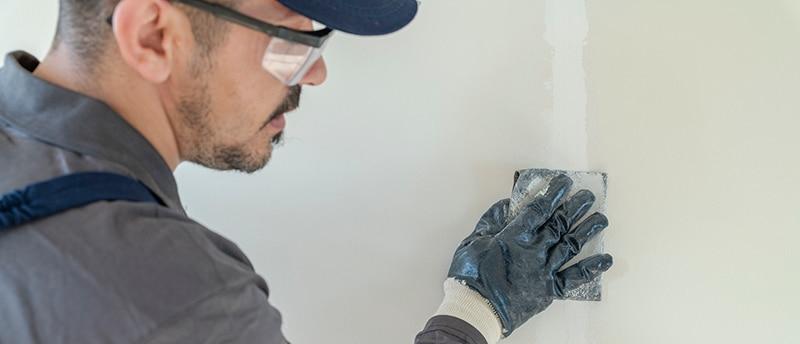
One line item that catches homeowners off guard is interior finish work. New windows often mean patched drywall, fresh casing, and paint touch-ups. Small drywall repairs around openings typically start around $150, and our drywall repair services can fold that work into the same project so you are not hiring a second crew.
Signs It's Time for Window Replacement
Before spending anything, it helps to confirm your windows actually need replacement rather than repair. Homeowners in Issaquah and Renton sometimes discover that what looks like a full replacement project can be solved with targeted repairs, while others underestimate how urgent their window problems are.
Clear indicators for replacement:
- Visible rot or damage to window frames, especially common in older Bellevue homes
- Single-pane windows in any Seattle area property, a major energy efficiency problem
- Windows that will not open, close, or lock properly
- Noticeable drafts even when windows are closed
- Condensation or fogging trapped between double-pane glass
- Heating bills that keep climbing through Seattle's wet winters
When repairs might be enough:
- Minor caulking gaps around frames
- Simple hardware malfunctions
- Small chips in glass that do not affect structural integrity
- Worn weather stripping
If you are dealing with several of these issues at once, or your windows are more than 20 years old, replacement is usually more cost-effective than ongoing repairs. Upgrading from single-pane glass delivers the most noticeable drop in heating bills; the exact savings depend on your current windows, your heating system, and how leaky the rest of the house is.
Window Material Options for Pacific Northwest Homes
Choosing the right materials for Seattle's climate matters more than brand names. Each option has real trade-offs for homes around the Puget Sound region.
Vinyl windows dominate the Seattle market for good reason. They resist moisture damage, need minimal maintenance, and insulate well. Quality vinyl windows hold up in our wet climate and typically last 20 to 30 years, which makes them the default recommendation for most Redmond and Sammamish homes where durability and value are the priorities.
Fiberglass windows offer superior strength and thermal performance, which makes them a smart pick for larger openings common in newer construction. They cost more than vinyl but can last 30 to 40 years and handle temperature swings without meaningful expansion or contraction.
Wood windows remain popular in historic Seattle neighborhoods and high-end properties. They look great and can be customized extensively, but they demand regular maintenance and careful sealing to survive our moisture levels.
Composite windows combine the look of wood with better durability. They keep gaining ground in Sammamish and Issaquah among homeowners who want the wood aesthetic without the upkeep.
Glass choices for Seattle area homes:
- Double-pane minimum: essential for energy efficiency in this climate
- Low-E coatings: strongly recommended for year-round comfort
- Argon fill: adds insulation value at modest cost
- Triple-pane: worth considering for north-facing walls and premium installations
Step-by-Step Window Replacement Timeline
Knowing the timeline for window replacement Seattle homeowners typically face makes planning much easier. Expect roughly 4 to 8 weeks from first consultation to project completion, driven mostly by product lead times.
Weeks 1-2: planning and selection
- Schedule in-home consultations with qualified contractors
- Measure existing windows and assess structural condition
- Select styles, materials, and energy efficiency features
- Collect detailed written quotes and compare scope, not just price
- Verify contractor registration and insurance
Weeks 2-3: ordering and permits
- Place window orders; standard sizes often arrive in 2 to 3 weeks, while custom units can take 4 to 8 weeks
- Apply for permits through your local building department
- Lock in installation dates
- Prepare the house: remove window treatments and clear access paths
Installation days: an experienced crew installs a typical window in 30 to 60 minutes, so most whole-home projects spend only 1 to 3 days on site. Each day follows the same rhythm: remove old units in the morning, set and seal new windows midday, then finish trim and quality checks in the afternoon.
Final week: details and inspection
- Complete remaining trim and touch-up work
- Schedule the final building inspection if your permit requires one
- Walk the project with your contractor
- Collect warranty documents and care instructions
Weather matters here. Most crews avoid exterior work during heavy rain, so winter projects in Seattle can slip by a few days. If you can, plan installation for the drier months between May and September.
Choosing Window Contractors in Seattle
With search demand for window contractors as high as it is in the Puget Sound area, it is no surprise the market is crowded. Sorting reliable installers from the rest comes down to a few verifiable checks rather than glossy ads.
Verify before you sign:
- Registration and bond: every contractor working in Washington must be registered with the state. Look them up on the Department of Labor and Industries verification tool at secure.lni.wa.gov to confirm active registration, bonding, and any past violations.
- Insurance: ask for current proof of liability coverage and workers' compensation.
- Local track record: request references from recent Seattle area projects and actually call them.
- Manufacturer certification: installer certification for the brand you are buying often affects your product warranty.
Get at least three written bids. Each bid should spell out material specifications, labor, permit fees, disposal, and timeline. A bid dramatically lower than the others usually means something important was left out.
Warranty questions worth asking:
- What does the labor warranty cover, and for how long?
- Is the manufacturer warranty transferable if I sell the house?
- Who handles a seal failure five years from now, you or the manufacturer?
Red flags: door-to-door sales pressure, requests for full payment upfront, no local references, and vague one-page estimates. Any of these is reason enough to keep looking.
DIY vs Professional Installation
Some homeowners can handle window replacement themselves, but the honest answer is that most projects are better left to professionals.
DIY can make sense when:
- The home is single-story with easy access
- Replacement inserts fit the existing openings exactly
- You have real carpentry experience
- The windows are standard rectangles in newer construction
Keep in mind: Washington requires permits for most window replacements, improper installation voids manufacturer warranties, and specialty tools can cost more than the labor you save. Structural surprises like hidden rot turn a weekend project into a long one.
Hire a professional when the home has multiple stories, the windows are custom or oversized, structural repairs are likely, the house is historic, or a rebate program requires professional installation. Professional work typically comes with warranties on both materials and labor, and many Bellevue and Sammamish homeowners find those protections alone justify the cost.
Energy-Efficient Windows and Seattle's Climate
Window installation cost should always be weighed against long-term energy savings, because heating is the dominant utility expense in most Seattle homes. Energy-efficient windows reduce drafts, quiet the house, and cut the heat loss that old glass leaks all winter.
What to look for on the label:
- U-factor: 0.30 or lower performs well here
- Solar Heat Gain Coefficient: 0.25 to 0.40 suits our moderate climate
- Low-E coatings: worthwhile on nearly every elevation
- Installation quality: flashing, sealing, and insulation around the frame matter as much as the glass itself
Upgrading from single-pane or aluminum-framed windows produces the most dramatic improvement; moving from decent double-pane to premium triple-pane produces a smaller one. Treat any specific savings percentage you see in advertising as marketing until you have compared your own utility bills.
Rebates and incentives: Puget Sound Energy and Seattle City Light have both offered window and weatherization incentives, and federal tax credits periodically apply to qualifying products. Programs change year to year, so check each utility's current offerings before you order rather than counting on a figure from an old flyer.
Windows are only one part of your home's envelope. If drafts and heat loss are the real complaint, pair window upgrades with air sealing and insulation. Our home insulation guide breaks down insulation types, costs, and where the payback comes fastest, and our Seattle home winterization guide covers draft sealing steps you can knock out in a weekend while you wait for your windows to arrive.
Maximizing Your Window Replacement Investment
A few planning decisions determine whether the total window replacement cost Seattle homeowners pay turns into lasting value or an expensive lesson.
Time it well. Spring and fall usually offer the best mix of installation conditions and contractor availability. Summer demand can stretch schedules, and winter rain can delay exterior work.
Consider the whole house. Replacing all windows at once usually earns bulk pricing and a single mobilization, and it keeps sightlines and performance consistent across the home.
Choose boring over trendy. Classic styles in quality materials hold their value for 20 to 30 years. Fashion-forward choices rarely do.
Plan for maintenance. Even the best windows need occasional attention. Inspect seals annually, keep weep holes clear, and fix small issues before Seattle's next wet season finds them.
Ready to plan your project? Stanis LLC is a Washington-licensed general contractor and handyman company serving Seattle and the Eastside, including Redmond, Bellevue, Sammamish, Issaquah, and Renton. As a general contractor we can manage window replacement along with the carpentry, trim, drywall, and paint work that comes with it, from initial consultation through final inspection, and our handyman and general contractor services cover the smaller repairs that often surface once the old windows come out. You can see our credentials any time, and when you are ready for a consultation, contact us to talk through your home, your budget, and a realistic timeline.