As Seattle's winter months approach, homeowners across the Eastside know that proper preparation is essential to protect their investment from the Pacific Northwest's challenging weather conditions. Seattle home winterization isn't just about staying warm – it's about preventing costly damage from freezing temperatures, heavy rainfall, and the occasional snow that can catch unprepared homes off guard.
The unique climate of the Seattle metro area, including Redmond, Bellevue, Sammamish, Issaquah, Renton, and Maple Valley, presents specific challenges for homeowners. While we may not experience the harsh winters of the Midwest, our combination of freezing temperatures, heavy precipitation, and fluctuating weather patterns can wreak havoc on unprepared homes. A comprehensive winterization strategy can save thousands of dollars in repairs and ensure your family stays comfortable throughout the season.
Understanding Seattle's Winter Climate Challenges
Before diving into specific winterization tasks, it's crucial to understand what makes winter home preparation in the Seattle area unique. Our region experiences what meteorologists call a "marine west coast climate," characterized by mild but wet winters with occasional cold snaps that can drop temperatures below freezing.
The combination of factors that make Seattle winterization critical includes:
- Temperature fluctuations: Rapid changes from above-freezing to below-freezing temperatures can cause pipes to freeze and burst
- Heavy rainfall: Seattle receives an average of 5-6 inches of rain per month during winter, putting stress on gutters, roofs, and drainage systems
- Occasional snow and ice: While not common, winter storms can bring enough snow and ice to damage unprepared structures
- High humidity: Persistent moisture can lead to mold, mildew, and wood rot if not properly managed
- Strong winds: Pacific storms can bring winds that test the integrity of roofing, siding, and outdoor structures
Understanding these challenges helps prioritize which winterization tasks are most critical for homes in Redmond, Bellevue, and surrounding Eastside communities.
Protecting Your Plumbing System from Freezing
Pipe protection is perhaps the most critical aspect of winterizing your house in Seattle. Even though our winters are relatively mild, the occasional temperature drops can cause significant damage to unprepared plumbing systems.
Exterior Water Sources and Hose Bibs
Start your plumbing winterization by addressing exterior water connections:
-
Disconnect and drain garden hoses: Remove hoses from all outdoor spigots and drain them completely. Store hoses in a garage or shed to prevent cracking.
-
Install hose bib covers: Purchase insulated covers for all exterior faucets. These inexpensive devices (typically $5-15 each) provide crucial protection during cold snaps.
-
Shut off interior valves: Locate the shut-off valves that control water flow to exterior spigots. Turn these off and open the exterior faucets to drain any remaining water.
-
Insulate exposed pipes: Any pipes in unheated areas like crawl spaces, garages, or exterior walls should be wrapped with pipe insulation. Foam pipe insulation costs about $1-3 per linear foot and can prevent thousands in damage.
Interior Plumbing Considerations
While interior pipes are less likely to freeze, homes in areas like Maple Valley and Renton with crawl spaces or basements need additional attention:
- Check for drafts: Seal any gaps or cracks that allow cold air to reach plumbing
- Maintain consistent heating: Keep interior temperatures above 55°F even when away
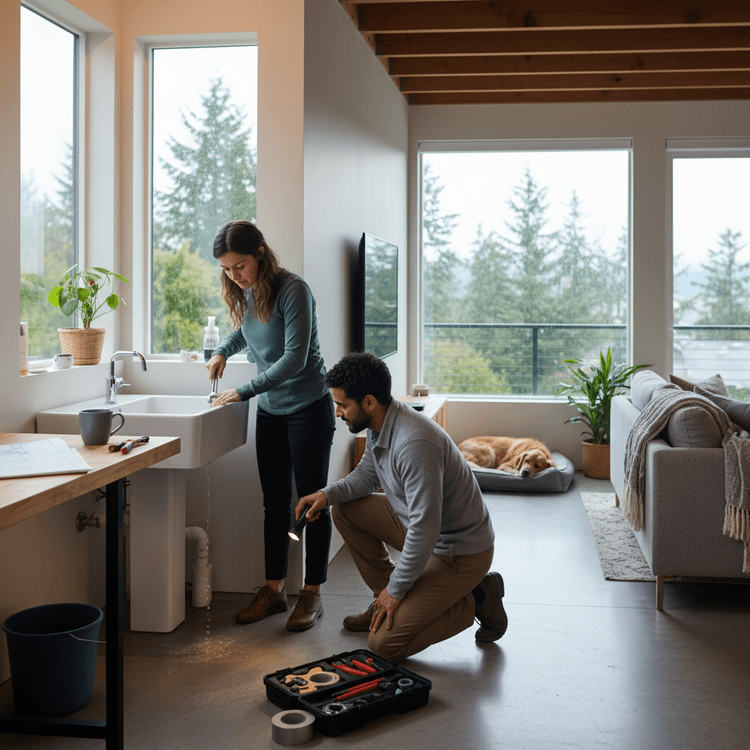
- Open cabinet doors: During cold spells, open cabinet doors under sinks to allow warm air circulation
- Let faucets drip: During extreme cold, allowing faucets to drip slightly can prevent freezing
Cost Consideration: Basic plumbing winterization materials cost $50-150 for most homes, while emergency pipe repairs can run $500-2000 or more.
Roof and Gutter Maintenance for Pacific Northwest Weather
Seattle's heavy winter rainfall makes roof and gutter maintenance essential for proper home winterization. Clogged gutters and compromised roofing can lead to water damage, ice dams, and structural issues.
Gutter Cleaning and Inspection
The abundance of trees in Seattle-area neighborhoods means gutters fill quickly with leaves and debris:
-
Clean all gutters thoroughly: Remove leaves, twigs, and debris from gutters and downspouts. Pay special attention to areas near large trees common in Sammamish and Issaquah.
-
Check for proper drainage: Run water through gutters to ensure proper flow toward downspouts. Look for standing water that indicates improper slope.
-
Inspect gutter attachments: Look for loose brackets, separated joints, or sagging sections that could fail under the weight of heavy rain or snow.
-
Extend downspouts: Ensure downspouts direct water at least 3-6 feet away from your foundation to prevent basement flooding or foundation damage.
Roof Inspection and Maintenance
A thorough roof inspection should include:
- Missing or damaged shingles: Replace any loose, cracked, or missing shingles before winter storms arrive
- Flashing inspection: Check flashing around chimneys, vents, and roof transitions for gaps or corrosion
- Tree trimming: Remove branches that overhang the roof to prevent damage during windstorms
- Moss removal: Seattle's humid climate promotes moss growth, which can damage shingles over time
DIY vs. Professional: While homeowners can safely clean single-story gutters, roof work and multi-story gutter cleaning are best left to professionals. Professional gutter cleaning costs $150-300, while roof repairs can range from $300-1500 depending on the scope.
Heating System Preparation and Efficiency
Ensuring your heating system operates efficiently throughout Seattle's winter months is crucial for both comfort and cost management. A well-maintained heating system can reduce energy costs by 10-20% while preventing costly emergency repairs.
HVAC System Maintenance
Whether your home uses a furnace, heat pump, or boiler, these maintenance steps apply:
-
Replace air filters: Install fresh filters before the heating season begins. Check monthly during heavy use and replace as needed.
-
Clean vents and registers: Remove dust and debris from all heating vents. Ensure furniture or drapes don't block airflow.
-
Test your thermostat: Verify that your thermostat accurately controls temperature and consider upgrading to a programmable model to reduce energy costs.
-
Schedule professional maintenance: Have a qualified technician inspect and service your heating system annually. This typically costs $100-200 but can prevent major repairs.
Heat Pump Considerations
Many homes in Bellevue and Redmond use heat pumps, which require special winter preparation:
- Keep outdoor units clear: Remove leaves, debris, and vegetation from around the outdoor unit
- Check refrigerant lines: Inspect insulation on refrigerant lines and replace if damaged
- Understand defrost cycles: Familiarize yourself with normal defrost operation to avoid unnecessary service calls
Alternative Heating Sources
If your home has a fireplace or wood stove:
- Clean chimneys: Have chimneys professionally cleaned and inspected before use
- Check dampers: Ensure fireplace dampers close tightly when not in use
- Stock seasoned wood: If using wood heat, ensure you have properly dried firewood stored in a dry location
Cost Considerations: Annual HVAC maintenance costs $100-300 but can prevent repairs costing $500-3000. Filter replacement runs $20-50 annually.
Windows, Doors, and Weatherproofing
Proper sealing of your home's envelope is essential for energy efficiency and comfort during Seattle winters. Air leaks can increase heating costs by 20-30% and create uncomfortable drafts throughout your home.
Window Winterization
Seattle-area homes, particularly older properties in neighborhoods like Renton and Maple Valley, often need window attention:
-
Caulk exterior window frames: Inspect and re-caulk gaps between window frames and siding. Use high-quality exterior caulk rated for temperature fluctuations.
-
Install weatherstripping: Add or replace weatherstripping around window sashes. Foam tape weatherstripping costs $5-10 per window and significantly reduces drafts.
-
Consider storm windows: For single-pane windows, temporary storm windows or plastic sheeting can add insulation. Interior plastic film kits cost $3-7 per window.
-
Check window locks: Ensure windows lock tightly, as proper closure improves sealing.
Door Sealing and Maintenance
Entry doors are common sources of air leaks:
- Install or replace door sweeps: Add sweeps to the bottom of exterior doors to seal gaps
- Weatherstrip door frames: Apply weatherstripping around door frames, paying attention to areas that show light when doors are closed
- Adjust door alignment: Doors that don't close properly waste energy and compromise security
- Check sliding doors: Patio doors need special attention to tracks and seals
Whole-House Air Sealing
Beyond windows and doors, look for air leaks around:
- Electrical outlets on exterior walls
- Plumbing and electrical penetrations
- Attic access points
- Basement or crawl space rim joists
- Fireplace dampers
DIY Approach: Most weatherproofing tasks are suitable for DIY completion with materials costing $50-200 for an average home. Professional energy audits cost $200-500 but can identify hidden air leaks.
Exterior Property and Landscape Winterization
The beautiful landscapes common in Eastside communities like Issaquah and Sammamish require specific winter preparation to prevent plant damage and protect outdoor structures.
Outdoor Water Features and Irrigation
Water features and irrigation systems need careful attention:
-
Drain irrigation systems: Turn off water supply to sprinkler systems and drain all lines to prevent freeze damage.
-
Winterize fountains and ponds: Remove pumps from outdoor water features or ensure they continue running to prevent freezing.
-
Disconnect outdoor hoses: As mentioned in plumbing protection, disconnect and drain all outdoor hoses.
Plant and Landscape Protection
Pacific Northwest landscapes need winter preparation:
- Mulch tender plants: Apply 3-4 inches of mulch around plants susceptible to frost damage
- Wrap vulnerable plants: Use burlap to protect plants that may struggle with occasional snow loads
- Trim dead branches: Remove dead or weak branches that could fall during winter storms
- Rake leaves: Clear leaves from lawns to prevent lawn damage and reduce fire hazards
Outdoor Structures and Equipment
Don't forget about structures and equipment:
- Clean and store outdoor furniture: Store or cover patio furniture to prevent weather damage
- Service snow removal equipment: If you have a snow blower, ensure it's serviced and ready for occasional use
- Check deck and fence integrity: Inspect wooden structures for loose boards or damaged sections
- Secure loose items: Store or secure items that could become projectiles in winter storms
Timing Consideration: Begin exterior winterization in October, completing all tasks before the first hard frost, typically in late November or early December in the Seattle area.
Emergency Preparedness for Seattle Winters
While Seattle winters are generally mild, occasional severe weather events require emergency preparedness. Ice storms, heavy snow, and extended power outages can occur, making preparation essential for homes throughout the region.
Emergency Supply Preparation
Essential supplies for winter emergencies include:
- Emergency water: Store one gallon per person per day for at least three days
- Non-perishable food: Keep a three-day supply of food that doesn't require cooking
- Battery-powered or hand-crank radio: Stay informed during power outages
- Flashlights and extra batteries: Avoid using candles, which present fire hazards
- First aid kit: Ensure your kit is stocked and medications are current
- Emergency contact information: Keep important phone numbers accessible without relying on cell phones
Backup Heating Options
When primary heating systems fail:
- Portable heaters: Keep a safe, rated space heater available but never use outdoor equipment indoors
- Extra blankets: Store additional bedding in an accessible location
- Generator considerations: If considering a generator, ensure proper installation and never operate indoors
Communication and Transportation
Winter storms can impact both communication and travel:
- Charge devices: Keep phones and other devices fully charged when storms are forecast
- Vehicle preparation: Ensure vehicles have emergency kits, including jumper cables, ice scrapers, and emergency food
- Alternative communication: Consider battery-powered radios for emergency information
Professional vs. DIY: While emergency supply gathering is clearly DIY territory, consider professional installation for generators or permanent backup heating solutions.
Conclusion: Protecting Your Seattle-Area Home Investment
Proper Seattle home winterization protects both your family's comfort and your property investment. By following this comprehensive checklist, homeowners in Redmond, Bellevue, Sammamish, Issaquah, Renton, Maple Valley, and throughout the Seattle metro area can avoid costly winter damage while maintaining energy efficiency.
The key to successful winter home preparation is starting early and addressing each system methodically. While many winterization tasks are suitable for DIY completion, don't hesitate to call professionals for complex work involving roofing, major plumbing, or electrical systems.
Remember that the cost of prevention is always less than the cost of emergency repairs. Spending $200-500 on winterization materials and professional maintenance can prevent thousands of dollars in freeze damage, water intrusion, or heating system failures.
Ready to winterize your house in Seattle but need professional assistance? Stanis LLC Handyman & General Contractor provides comprehensive winterization services throughout the Seattle Eastside. Our experienced team can handle everything from pipe insulation and gutter cleaning to heating system maintenance and weatherproofing.
Don't wait until the first freeze warning – contact us today at contact@handymanst.com to schedule your winter home preparation service. Protect your investment with professional winterization services tailored to Pacific Northwest conditions.