When it comes to reducing energy costs and improving home comfort in the Pacific Northwest, Seattle home energy efficiency upgrades offer some of the best returns on investment. With the region's unique climate patterns—mild, wet winters and increasingly warm summers—Seattle homeowners face distinct challenges that require targeted solutions. Whether you're in Redmond, Bellevue, Sammamish, Issaquah, Renton, or Maple Valley, implementing the right energy efficiency upgrades can dramatically reduce your utility bills while enhancing year-round comfort.
The average Seattle household spends over $1,400 annually on energy costs, with heating and cooling accounting for nearly half of that expense. However, strategic improvements can reduce these costs by 20-40% while increasing your home's value and reducing your carbon footprint. From simple weatherization projects you can tackle yourself to comprehensive upgrades requiring professional installation, there are options for every budget and skill level.
Understanding Seattle's Energy Efficiency Landscape
Seattle's temperate oceanic climate presents unique opportunities for energy savings. Unlike regions with extreme temperature swings, our moderate conditions mean that relatively small improvements can yield significant results. The key lies in understanding how your home loses and gains energy throughout the year.
Home weatherization Seattle projects focus on creating an effective thermal barrier. During our cool, damp winters, homes lose heat primarily through air leaks, inadequate insulation, and inefficient heating systems. In summer, the same issues can make cooling systems work overtime. The good news is that addressing these problems often provides benefits year-round.
Seattle City Light and Puget Sound Energy offer various rebates and incentives for energy efficiency improvements, making upgrades more affordable. Many homeowners in Bellevue, Sammamish, and surrounding areas can receive substantial rebates for insulation upgrades, heat pump installations, and smart home technologies.
Insulation Upgrades: Your First Line of Defense
Proper insulation forms the foundation of any effective energy efficiency strategy. In Seattle-area homes, particularly older constructions common in neighborhoods throughout Redmond and Issaquah, inadequate insulation is often the primary culprit behind high energy bills.
Attic Insulation should be your top priority. Most Seattle homes need R-38 to R-49 insulation in attics, but many older homes have half that amount or less. Adding blown-in cellulose or fiberglass insulation is relatively inexpensive and provides immediate results.
Step-by-step attic insulation assessment:
- Measure existing insulation depth using a ruler
- Calculate current R-value (multiply depth in inches by R-value per inch for your insulation type)
- Determine additional insulation needed to reach R-38 minimum
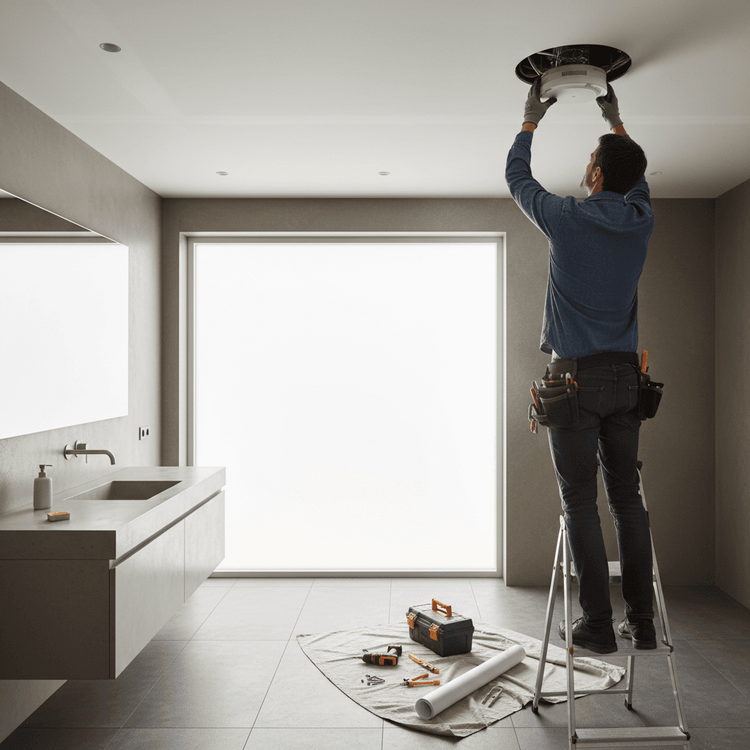
- Check for air leaks around light fixtures, exhaust fans, and access hatches
- Seal gaps before adding new insulation
Wall insulation in older Seattle homes often needs attention. If your home was built before 1980, walls may lack adequate insulation. Blown-in insulation can be added through small holes drilled from the exterior, making this a relatively non-invasive upgrade.
Crawl space and basement insulation addresses a common problem in Pacific Northwest homes. Properly insulating these areas prevents moisture issues while improving energy efficiency. This typically requires professional installation due to moisture management considerations.
Cost considerations: DIY attic insulation runs $1.50-3.00 per square foot, while professional installation costs $2.50-4.50 per square foot. Wall insulation retrofits typically cost $3-6 per square foot professionally installed.
Air Sealing and Weatherization Strategies
Air leaks can account for 25-40% of heating and cooling energy loss in typical homes. Home weatherization Seattle projects should always include comprehensive air sealing, which often provides the quickest payback of any efficiency upgrade.
Common leak locations include:
- Windows and doors
- Electrical outlets and switch plates
- Recessed lighting fixtures
- Plumbing and electrical penetrations
- Attic access hatches
- Basement rim joists
DIY air sealing techniques:
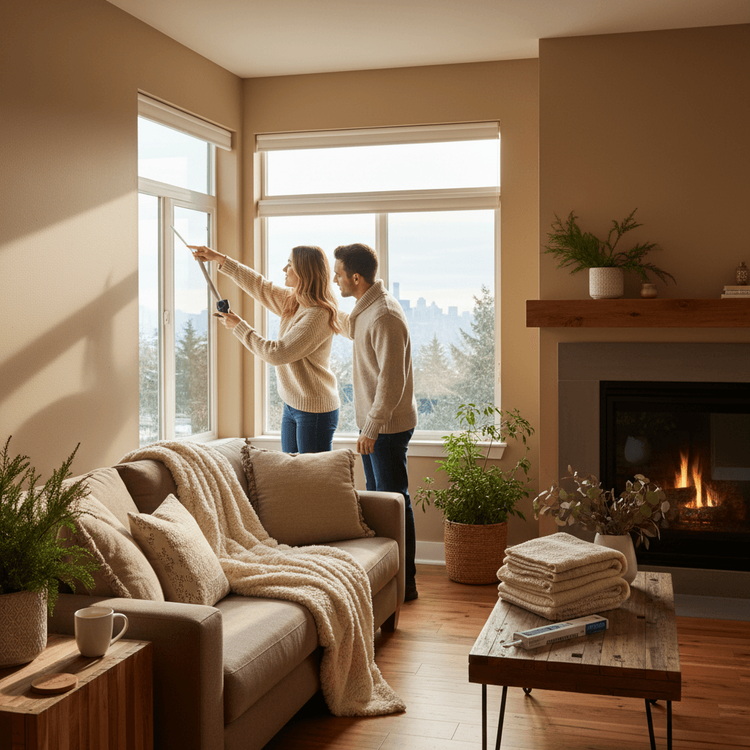
- Caulking around windows, doors, and exterior penetrations using high-quality silicone or polyurethane caulk
- Weatherstripping doors and windows with foam tape, V-strip, or door sweeps
- Foam sealing larger gaps around pipes, cables, and other penetrations
- Plastic film over windows during winter months for additional insulation
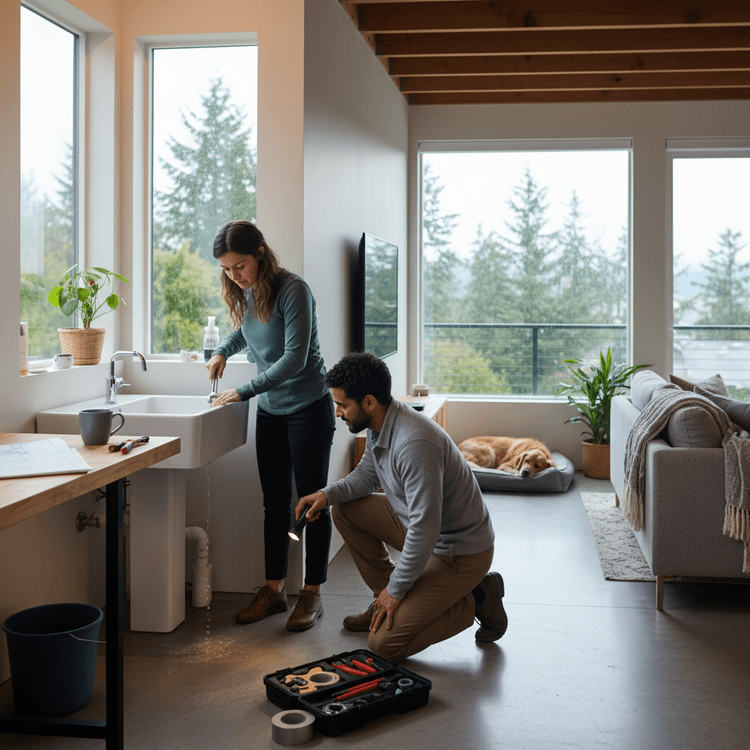
For more complex air sealing, consider professional services. A blower door test can identify hidden leaks and quantify improvements. Many contractors serving Renton, Maple Valley, and surrounding areas offer this service as part of comprehensive weatherization packages.
Professional air sealing involves specialized equipment and materials like spray foam insulation, professional-grade sealants, and infrared cameras to locate hidden leaks. While more expensive upfront ($800-2,500 for most homes), professional sealing often achieves better long-term results.
Window and Door Improvements
Windows and doors represent significant opportunities for energy efficiency upgrades in Seattle homes. Single-pane windows, common in older homes throughout the region, lose 2-3 times more energy than modern double-pane units.
Window upgrade options:
- Full replacement with double or triple-pane windows (most effective but expensive)
- Storm windows (cost-effective for historic homes)
- Window film applications (budget-friendly temporary solution)
- Interior storm panels (removable seasonal option)
Door improvements often provide excellent returns on investment:
- Replace exterior doors with insulated units featuring proper weatherstripping
- Add storm doors for additional protection and insulation
- Upgrade door hardware including deadbolts and locksets for security and efficiency
- Install door sweeps and threshold seals
Cost analysis: Full window replacement averages $400-800 per window installed, while storm windows cost $150-300 per window. Door replacement ranges from $500-1,500 per door including installation.
For homeowners in Bellevue, Sammamish, and other eastside communities, consider the long-term benefits of quality installations. Premium windows and doors not only improve efficiency but also enhance curb appeal and home value.
Smart Home Technology and Controls
Modern Seattle home energy efficiency strategies increasingly incorporate smart technology. These systems optimize energy use automatically while providing unprecedented control over home comfort and costs.
Smart thermostats represent the most popular starting point. Advanced models learn your schedule, adjust for weather conditions, and provide detailed energy usage reports. Many utility companies serving Redmond, Issaquah, and surrounding areas offer rebates for qualified smart thermostats.
Installation steps for smart thermostats:
- Turn off power at the breaker
- Remove existing thermostat and label wires
- Install new mounting plate according to manufacturer instructions
- Connect wires to corresponding terminals
- Attach thermostat and restore power
- Configure Wi-Fi connection and programming
Smart home integration extends beyond thermostats to include:
- Smart switches and outlets for lighting control and scheduling
- Smart water heaters that optimize heating schedules
- Automated window treatments for passive solar control
- Energy monitoring systems that identify usage patterns and waste
Professional installation is recommended for complex smart home systems, especially those requiring new wiring or integration with existing home automation platforms. Costs range from $150-400 for basic smart thermostat installation to $2,000-5,000 for comprehensive smart home energy management systems.
Heating and Cooling System Optimization
Heating and cooling systems account for the largest portion of home energy use in the Seattle area. Optimizing these systems through energy efficiency upgrades can dramatically reduce costs while improving comfort.
Heat pump systems are particularly well-suited to Seattle's moderate climate. Modern heat pumps provide efficient heating and cooling year-round, often reducing energy costs by 30-50% compared to older systems.
HVAC maintenance and optimization:
- Regular filter changes every 1-3 months depending on type and usage
- Annual professional tune-ups including cleaning, calibration, and safety checks
- Ductwork inspection and sealing to prevent conditioned air loss
- Proper system sizing ensures efficiency and comfort
Ductwork improvements often provide significant benefits in homes throughout Renton, Maple Valley, and other areas with crawl space or basement duct systems. Sealing and insulating ducts can improve system efficiency by 15-25%.
Water heating efficiency shouldn't be overlooked. Tank water heaters can be improved with insulation blankets and pipe insulation, while tankless units offer long-term efficiency benefits for many households.
Cost considerations: Heat pump installation typically costs $3,000-8,000 depending on size and complexity. Ductwork sealing and insulation runs $1,500-3,500 for most homes. Professional HVAC maintenance costs $150-300 annually but can prevent costly repairs and maintain efficiency.
Professional vs. DIY: Making the Right Choice
Deciding between professional installation and DIY approaches depends on project complexity, available time, and skill level. Some home weatherization Seattle projects are well-suited for homeowners, while others require professional expertise.
Excellent DIY projects include:
- Caulking and basic air sealing
- Attic insulation in accessible areas
- Weatherstripping doors and windows
- Smart thermostat installation (for compatible systems)
- Basic maintenance tasks
Professional installation recommended for:
- Electrical work beyond simple device replacement
- Complex insulation projects involving moisture management
- HVAC system installation or major repairs
- Structural modifications
- Projects requiring permits or inspections
When choosing professionals in the Seattle area, look for licensed contractors with experience in energy efficiency work. Many contractors serving Bellevue, Sammamish, Redmond, and surrounding communities specialize in green building and energy efficiency upgrades.
Questions to ask potential contractors:
- Are you licensed and insured for this type of work?
- Can you provide references from recent similar projects?
- Do you offer warranties on materials and labor?
- Are you familiar with local utility rebate programs?
- Can you provide detailed written estimates?
Maximizing Rebates and Incentives
Energy efficiency upgrades in the Seattle area often qualify for substantial rebates and tax incentives. Understanding available programs can significantly reduce project costs and improve returns on investment.
Utility rebate programs from Seattle City Light and Puget Sound Energy cover many common upgrades:
- Heat pump installations: $500-2,500 rebates
- Insulation upgrades: $0.15-0.30 per square foot
- Smart thermostats: $50-150 rebates
- Energy-efficient appliances: Various rebates by type
Federal tax credits are available for many energy efficiency improvements, including:
- 30% credit for solar installations (through 2032)
- Credits for heat pumps, insulation, and other qualifying improvements
- Enhanced credits for comprehensive home efficiency upgrades
State and local programs may offer additional incentives. Washington State's energy efficiency programs often complement utility rebates, and some municipalities offer additional incentives for green building practices.
Maximizing incentive value:
- Research all available programs before starting projects
- Coordinate timing to take advantage of multiple programs
- Keep detailed records and receipts for all improvements
- Work with contractors familiar with rebate requirements
- Apply for rebates promptly after project completion
Implementing Seattle home energy efficiency upgrades represents one of the smartest investments you can make in your property. Whether you're tackling simple weatherization projects or planning comprehensive system upgrades, the combination of reduced utility bills, improved comfort, and increased home value makes these improvements highly worthwhile.
From basic air sealing and insulation upgrades you can handle yourself to complex heat pump installations requiring professional expertise, there are options for every budget and timeline. The key is starting with the most cost-effective improvements and building from there.
For homeowners throughout the Seattle area—including Redmond, Bellevue, Sammamish, Issaquah, Renton, and Maple Valley—professional guidance can help you prioritize upgrades and maximize both efficiency gains and available rebates.
Ready to start improving your home's energy efficiency? Contact Stanis LLC Handyman & General Contractor at contact@handymanst.com for expert consultation and professional installation of energy efficiency upgrades tailored to your home and budget. Our experienced team specializes in helping Seattle-area homeowners reduce energy costs while improving comfort and home value.