
As Seattle's rainy season settles in and temperatures begin to drop, homeowners across the Puget Sound region are turning their attention to winter preparation. With energy costs continuing to rise, optimizing your home's energy efficiency has never been more crucial. Whether you're in the heart of Seattle, the tech corridors of Redmond and Bellevue, or the family-friendly neighborhoods of Sammamish, Issaquah, Renton, and Maple Valley, implementing the right energy-saving strategies can significantly reduce your heating costs while keeping your home comfortable throughout the winter months.
Seattle's unique climate presents both challenges and opportunities for energy efficiency. The Pacific Northwest's mild but damp winters mean that moisture management is just as important as temperature control. By taking proactive steps to weatherproof and insulate your home, you can create a more comfortable living environment while potentially saving hundreds of dollars on your annual heating bills.
Understanding Seattle's Energy Efficiency Challenges
Seattle's marine climate creates specific energy efficiency considerations that differ from other regions. The consistent moisture, moderate temperatures, and frequent rain require a balanced approach to home insulation and ventilation. Unlike homes in extreme climates that focus primarily on temperature control, Seattle homes must manage both thermal efficiency and moisture levels effectively.
The region's reliance on electricity for heating, combined with the Pacific Northwest's hydroelectric power grid, means that energy efficiency improvements can provide substantial cost savings. Local utility companies like Seattle City Light and Puget Sound Energy offer various rebates and incentives for energy efficiency upgrades, making winter preparation an even smarter investment.
Common energy loss areas in Seattle homes include windows and doors that face the prevailing southwest winds, inadequate attic insulation, and basement or crawl space air leaks. Understanding these regional factors is crucial for developing an effective winter energy efficiency strategy.
Essential Insulation Upgrades for Maximum Savings
Proper insulation forms the backbone of any energy-efficient home, and Seattle's climate demands specific attention to both thermal performance and moisture management. The most impactful insulation improvements typically start in the attic, where heat rises and can easily escape through inadequate barriers.
Attic Insulation Assessment and Upgrade: Start by measuring your current attic insulation depth. Seattle homes should have at least R-38 to R-60 insulation in attics, which translates to roughly 10-20 inches depending on the material type. If your insulation falls short, adding blown-in cellulose or fiberglass batts can provide immediate improvements.
Before adding insulation, seal air leaks around electrical fixtures, plumbing penetrations, and attic hatches. Use expanding foam or caulk for smaller gaps and consider professional air sealing for larger issues. This step alone can reduce heating costs by 10-20% in many Seattle homes.
Wall and Floor Insulation Considerations: While wall insulation retrofits can be more complex, focusing on rim joists and basement or crawl space areas often provides excellent returns on investment. In Seattle's moisture-prone environment, ensure any new insulation includes proper vapor barriers to prevent condensation issues.
Cost considerations for insulation upgrades typically range from $1,500 to $4,000 for comprehensive attic improvements, with potential annual savings of $200-500 on heating bills. DIY installation is possible for attic spaces, but professional installation ensures proper air sealing and moisture management.
Comprehensive Weatherproofing and Air Sealing
Air leaks can account for 25-30% of heating energy loss in Seattle homes, making weatherproofing one of the most cost-effective energy efficiency improvements. The region's variable weather patterns create expansion and contraction cycles that can worsen existing air leaks over time.
Window and Door Weatherstripping: Inspect all exterior doors and windows for worn or missing weatherstripping. Replace damaged seals with high-quality materials appropriate for Seattle's wet climate. Foam tape works well for irregular surfaces, while V-strip weatherstripping provides durable sealing for doors and operable windows.
Pay special attention to sliding glass doors and older windows, which are common sources of air infiltration. Consider adding storm doors or removable storm windows for single-pane installations, which can improve energy efficiency by 10-20%.
Comprehensive Air Sealing Strategy: Beyond windows and doors, focus on these common air leak sources:
- Electrical outlets and switch plates on exterior walls
- Fireplace dampers and chimney areas
- Recessed lighting fixtures in insulated ceilings
- Plumbing and electrical penetrations
- Basement rim joists and sill plates
Use a systematic approach, working from top to bottom throughout your home. Consider hiring a professional for blower door testing, which can identify hidden air leaks and quantify improvements. Many Seattle-area utilities offer energy audits that include this service at reduced costs.
The investment in comprehensive air sealing typically ranges from $500 to $2,000, depending on the home's size and existing condition, with annual energy savings often exceeding the initial cost within two years.
Heating System Optimization and Maintenance
Your heating system's efficiency directly impacts both comfort and energy costs throughout Seattle's heating season. Whether you have a furnace, heat pump, or radiant system, proper maintenance and optimization can improve efficiency by 10-30%.
HVAC System Tune-Up Essentials: Schedule professional HVAC maintenance before peak heating season begins. A comprehensive tune-up should include cleaning or replacing filters, inspecting and cleaning ductwork, checking thermostat calibration, and verifying proper system operation.
For forced-air systems, ensure all vents and returns are unobstructed. Furniture, curtains, and storage items can significantly reduce system efficiency. Consider upgrading to a programmable or smart thermostat, which can reduce heating costs by 8-15% through optimized scheduling.
Heat Pump Considerations for Seattle Climate: Heat pumps are increasingly popular in the Pacific Northwest due to their efficiency in moderate climates. If you have an existing heat pump, ensure it's properly maintained and consider backup heating for periods when temperatures drop below the unit's optimal range.
For homes with older heating systems, upgrading to a high-efficiency model can provide substantial long-term savings. Modern condensing furnaces and heat pumps can achieve efficiency ratings of 90-95%, compared to 60-80% for older units.
Ductwork Inspection and Sealing: Leaky ductwork can waste 20-30% of heated air before it reaches living spaces. Inspect accessible ductwork in basements, crawl spaces, and attics for disconnected joints, damaged sections, or inadequate insulation. Professional duct sealing and insulation can provide significant energy savings, particularly in homes with ducts in unconditioned spaces.
Smart Window Solutions for Energy Retention
Windows represent a significant source of heat loss in Seattle homes, but various upgrade options can dramatically improve energy efficiency without requiring complete replacement. Understanding the cost-benefit analysis of different window improvements helps prioritize investments effectively.
Window Film and Coverings: Low-E window films can reduce heat loss by 10-15% while maintaining natural light. These films are particularly effective on single-pane windows and can be installed as a DIY project for $3-8 per square foot.
Thermal curtains and cellular shades provide additional insulation when closed, and programmable automatic systems can optimize their use throughout the day. Quality window coverings can reduce window heat loss by 25-50% when properly installed and used consistently.
Storm Windows and Inserts: Exterior storm windows or interior window inserts can transform single-pane windows into effective double-pane systems. Custom-fit inserts cost significantly less than replacement windows while providing similar energy efficiency improvements.
For historic homes in Seattle neighborhoods where exterior modifications may be restricted, interior storm windows offer an ideal solution that preserves architectural character while improving comfort and efficiency.
When to Consider Window Replacement: Full window replacement makes sense when existing windows have structural issues, significant air leaks, or are approaching the end of their useful life. Modern triple-pane windows with low-E coatings and argon fills can reduce heat loss by 50-70% compared to older single-pane units.
The investment in window improvements ranges from $200-500 per window for films and coverings to $3,000-8,000 for full replacement projects, with proportional energy savings based on the scope of improvements.
Advanced Energy Efficiency Technologies
Beyond basic weatherization, several advanced technologies can provide additional energy savings and improved comfort for Seattle-area homes. These solutions often qualify for utility rebates and tax incentives, improving their overall value proposition.
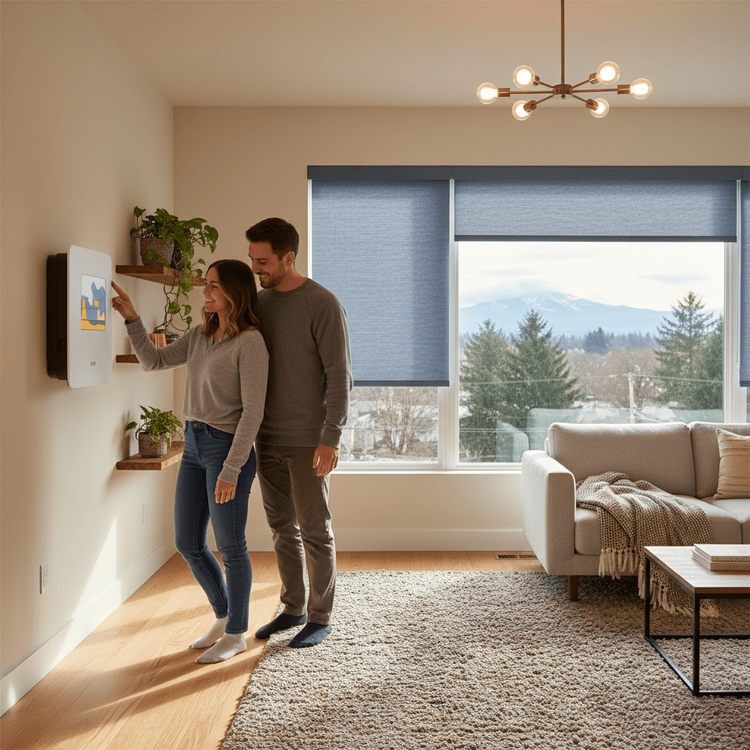
Smart Home Energy Management: Smart thermostats, automated window coverings, and whole-home energy monitoring systems allow for precise control of energy usage. These systems can learn usage patterns and optimize energy consumption automatically, often providing 15-25% additional savings beyond basic efficiency improvements.
Smart water heater controls and heat pump water heaters are particularly effective in Seattle's climate, where water heating accounts for a significant portion of energy usage. Upgrading to a heat pump water heater can reduce water heating costs by 50-70%.
Solar and Renewable Energy Integration: While Seattle's cloudy reputation might suggest otherwise, solar panels can still provide valuable energy production, particularly when combined with battery storage systems. Net metering programs allow homeowners to sell excess power back to the grid, and modern panels perform well even in diffuse light conditions.
Solar water heating systems are particularly effective in the Pacific Northwest, providing hot water even on cloudy days through efficient heat collection and storage systems.
Whole-House Ventilation Systems: Energy recovery ventilators (ERVs) and heat recovery ventilators (HRVs) provide fresh air while capturing heat from exhaust air. These systems are particularly valuable in tightly sealed energy-efficient homes, maintaining indoor air quality while minimizing energy loss.
The investment in advanced technologies varies widely, from $200-500 for smart thermostats to $15,000-30,000 for comprehensive solar installations, with corresponding variations in energy savings and payback periods.
Professional vs. DIY: Making the Right Choice
Determining which energy efficiency improvements to tackle yourself versus hiring professionals depends on your skills, available time, and the complexity of the work involved. Understanding these distinctions helps ensure safe, effective improvements while maximizing your investment.
Ideal DIY Projects: Simple weatherproofing tasks like caulking, weatherstripping replacement, and basic air sealing are well-suited for DIY completion. Installing window films, programmable thermostats, and basic attic insulation also fall within most homeowners' capabilities.
Focus DIY efforts on visible, accessible areas where mistakes won't create safety hazards or expensive damage. Take time to research proper techniques and invest in quality materials for lasting results.
When to Call Professionals: Electrical work, major HVAC modifications, and structural insulation improvements typically require professional expertise. Complex air sealing, ductwork modifications, and whole-house ventilation systems involve technical knowledge and specialized equipment that justify professional installation.
Professional work often comes with warranties and guarantees that protect your investment. Additionally, many utility rebates and incentives require professional installation for qualification.
Cost-Benefit Analysis: Compare the total cost of DIY projects (including your time and any tool purchases) against professional installation costs. Factor in the potential costs of mistakes or inadequate installation, which can reduce energy savings and create long-term problems.
Professional energy audits can help prioritize improvements and identify the most cost-effective combination of DIY and professional work for your specific home and budget.
Maintenance Schedules for Long-Term Efficiency
Sustaining energy efficiency improvements requires ongoing maintenance and periodic updates. Developing a systematic approach to maintenance ensures continued performance and identifies issues before they become expensive problems.
Seasonal Maintenance Tasks: Create a fall preparation checklist that includes cleaning gutters, inspecting weatherstripping, changing HVAC filters, and checking insulation for damage or settling. Spring maintenance should focus on system tune-ups, ventilation cleaning, and exterior seal inspection.
Document maintenance activities and energy usage to track the effectiveness of improvements over time. This information proves valuable for future upgrade decisions and can help identify developing issues.
Annual Professional Inspections: Schedule annual HVAC maintenance and periodic energy audits to ensure continued optimal performance. Professional inspections can identify efficiency degradation that homeowners might miss, potentially preventing costly repairs and maintaining energy savings.
Consider expanding annual inspections to include ductwork, insulation condition, and air sealing integrity, particularly after severe weather events that might affect home envelope performance.
Maximizing Your Investment Returns
The combination of energy cost savings, improved comfort, increased home value, and available incentives can make energy efficiency improvements highly profitable investments. Understanding how to optimize these returns helps justify more comprehensive upgrade projects.
Utility Rebates and Incentives: Seattle City Light, Puget Sound Energy, and other regional utilities offer substantial rebates for energy efficiency improvements. These programs often cover 30-70% of upgrade costs for qualified improvements, significantly improving project economics.
Federal and state tax credits for energy-efficient improvements, including heat pumps, insulation, and solar installations, can provide additional savings. Combining multiple incentive programs can sometimes cover the majority of improvement costs.
Home Value Considerations: Energy efficiency improvements typically provide strong returns in Seattle's competitive real estate market. Comprehensive efficiency upgrades can increase home values by 5-15%, while also reducing time on market when selling.
Document improvements with professional energy ratings or utility bill comparisons to demonstrate value to potential buyers. Energy-efficient homes are increasingly sought after in the Pacific Northwest market.
Taking action to improve your Seattle home's energy efficiency before winter arrives can provide immediate comfort benefits and long-term financial returns. Whether you're in Redmond's tech corridors, Bellevue's urban center, or the family-friendly communities of Sammamish, Issaquah, Renton, and Maple Valley, the right combination of insulation, air sealing, heating system optimization, and smart technologies can dramatically reduce your winter heating costs.
The key to successful energy efficiency improvement lies in taking a systematic approach that addresses your home's specific needs and your budget constraints. Start with the most cost-effective improvements like air sealing and weatherproofing, then build toward more comprehensive upgrades as budgets and circumstances allow.
Professional guidance can help ensure your improvements are properly planned, safely executed, and optimally effective. From initial energy audits to complex system installations, working with experienced contractors maximizes your investment returns while ensuring lasting performance.
Ready to transform your home's energy efficiency this winter? Contact Stanis LLC Handyman & General Contractor at contact@handymanst.com for a comprehensive assessment of your home's energy efficiency opportunities. Our experienced team serves homeowners throughout the Seattle metropolitan area, providing expert guidance and professional installation services that deliver measurable results and lasting value.