Rising energy costs and Seattle's commitment to environmental sustainability make home energy efficiency upgrades more important than ever for Pacific Northwest homeowners. Whether you're dealing with drafty windows during our wet winters or looking to reduce cooling costs during increasingly warm summers, implementing strategic energy-saving upgrades can significantly impact your utility bills while improving home comfort.
Seattle's unique climate presents both challenges and opportunities for homeowners seeking to optimize their energy consumption. From the consistent moisture that can affect insulation performance to the moderate temperatures that make certain upgrades particularly cost-effective, understanding which improvements deliver the best return on investment is crucial for making informed decisions about your home.
This comprehensive guide explores proven energy efficiency upgrades specifically tailored for Seattle-area homes, covering everything from simple DIY improvements to professional installations that can transform your home's energy performance. We'll examine cost considerations, expected savings, and help you determine which projects make sense for your specific situation and budget.
Understanding Seattle's Energy Efficiency Landscape
Seattle's climate creates unique energy efficiency considerations that differ significantly from other regions. Our mild summers mean cooling costs are typically lower than heating expenses, while our wet winters demand robust moisture management alongside thermal performance. The city's commitment to reducing carbon emissions through programs like Seattle City Light's energy efficiency rebates also provides financial incentives for strategic home improvements.
Local utility costs in the Seattle area are relatively moderate compared to other major metropolitan areas, but they're steadily increasing. Seattle City Light and Puget Sound Energy customers have seen consistent rate increases over recent years, making energy-saving upgrades more financially attractive. Additionally, Washington State's renewable energy standards and local building codes increasingly emphasize energy performance, potentially affecting future property values.
The Pacific Northwest's abundant hydroelectric power creates an interesting dynamic where electricity is often more cost-effective than natural gas for heating, especially with modern heat pump technology. This reality influences which upgrades provide the best return on investment for Seattle homeowners compared to other regions where different fuel sources dominate.
Homeowners in surrounding communities like Redmond, Bellevue, Sammamish, Issaquah, Renton, and Maple Valley face similar considerations, though specific utility providers and local rebate programs may vary. Understanding these regional factors helps prioritize which Seattle home energy efficiency improvements will deliver the most significant impact for your specific situation.
Comprehensive Home Weatherization Solutions
Effective home weatherization Seattle projects address air leaks, moisture intrusion, and thermal bridging that commonly affect Pacific Northwest homes. Air sealing represents one of the most cost-effective energy efficiency upgrades available, often providing 10-20% reductions in heating and cooling costs with relatively modest investment.
Start your weatherization efforts with a systematic assessment of your home's envelope. Focus on common problem areas including:
Basement and Crawl Space Sealing: Examine foundation walls, rim joists, and any penetrations where pipes, wires, or ducts enter the home. Use expanding foam sealant for gaps larger than 1/4 inch and high-quality caulk for smaller cracks. Pay special attention to the band board area where floor joists meet foundation walls, as this location frequently has significant air leaks.
Attic Air Sealing: Before adding insulation, seal air leaks around electrical fixtures, plumbing vents, chimneys, and attic access points. Use fire-rated materials around heat-producing fixtures and ensure proper ventilation paths remain clear. This work typically costs $300-800 for DIY efforts or $800-2,000 for professional installation, depending on home size and complexity.
Window and Door Weatherstripping: Replace worn weatherstripping around windows and doors, and consider adding storm doors or windows for additional protection. Modern weatherstripping materials last 5-10 years and provide excellent sealing performance when properly installed.
Professional weatherization typically includes blower door testing to identify hidden air leaks and verify improvements. Many Seattle-area utility companies offer rebates for comprehensive weatherization projects, potentially covering 50-75% of professional installation costs when specific performance criteria are met.
Insulation Upgrades for Pacific Northwest Homes
Proper insulation forms the foundation of any effective energy efficiency strategy, and Seattle's climate demands careful attention to both thermal performance and moisture management. Many homes built before 1990 have inadequate insulation by current standards, while even newer homes may benefit from strategic upgrades.
Attic Insulation Improvements: Most Seattle homes benefit from attic insulation levels between R-38 and R-49, depending on existing conditions and heating systems. Blown-in cellulose or fiberglass typically costs $1.50-3.00 per square foot professionally installed, while DIY batts range from $0.75-1.50 per square foot.
Adding insulation over existing materials is often possible, but ensure proper air sealing first and maintain adequate ventilation. Ridge vents, soffit vents, and proper air circulation prevent moisture problems that can reduce insulation effectiveness and create structural issues.
Wall Insulation Considerations: Older Seattle homes often lack adequate wall insulation, but retrofitting can be challenging and expensive. Blown-in insulation through small holes costs $2-4 per square foot professionally installed and can provide significant improvements without major renovation work.
Basement and Crawl Space Insulation: Pacific Northwest moisture conditions require careful attention to vapor barriers and ventilation when insulating below-grade spaces. Rigid foam insulation on foundation walls often provides better performance than traditional batts in these applications, though professional installation is typically recommended to ensure proper moisture management.
Consider the total cost of insulation projects against expected savings. Professional energy audits can identify which areas will provide the best return on investment, especially when combined with available utility rebates and tax incentives.
High-Efficiency Windows and Doors
Window and door upgrades represent significant investments but can dramatically improve both energy performance and home comfort. Seattle's moderate climate makes these improvements particularly effective since temperature differentials are typically less extreme than in other regions.
Window Replacement Considerations: Modern double or triple-pane windows with low-E coatings and argon fill provide substantial improvements over single-pane units common in older homes. Expect costs of $400-1,200 per window professionally installed, depending on size, features, and installation complexity.
Focus replacement efforts on the most problematic windows first – typically those facing prevailing weather directions or showing visible condensation, air leaks, or operational problems. South and west-facing windows benefit most from low-E coatings that reduce solar heat gain during summer months.
Storm Window Options: For homes with historic or high-quality existing windows, adding storm windows can provide 70-80% of replacement window benefits at 30-50% of the cost. Modern storm windows are available in numerous styles and can be designed to complement architectural features while providing excellent energy performance.
Door Upgrades and Improvements: Entry doors represent significant heat loss areas, especially older hollow-core units. Solid wood or insulated steel doors with proper weatherstripping and threshold seals typically cost $500-1,500 installed and provide immediate comfort improvements.
Professional vs. DIY Installation: Window and door installation requires precise measurement, proper sealing, and often structural modifications. While handy homeowners can tackle simple door replacements, window installation typically benefits from professional expertise to ensure proper performance and avoid moisture problems.
Heating and Cooling System Optimization
Seattle's moderate climate creates opportunities for highly efficient heating and cooling solutions that may not be practical in more extreme climates. Heat pumps, in particular, perform exceptionally well in Pacific Northwest conditions and can provide both heating and cooling with remarkable efficiency.
Heat Pump Technology: Modern air-source heat pumps operate efficiently even in Seattle's coldest weather and provide year-round comfort with a single system. Ductless mini-split systems cost $3,000-8,000 installed per zone, while central ducted systems range from $8,000-15,000 depending on home size and complexity.
Heat pumps qualify for significant federal tax credits and local utility rebates, often reducing net costs by 30-50%. They're particularly attractive for homes currently using electric resistance heating, oil, or propane systems.
Furnace and Ductwork Improvements: If retaining existing forced-air systems, ensure proper maintenance and consider efficiency upgrades. High-efficiency gas furnaces (90%+ AFUE) provide substantial improvements over older units, while duct sealing and insulation can improve system performance by 20-30%.
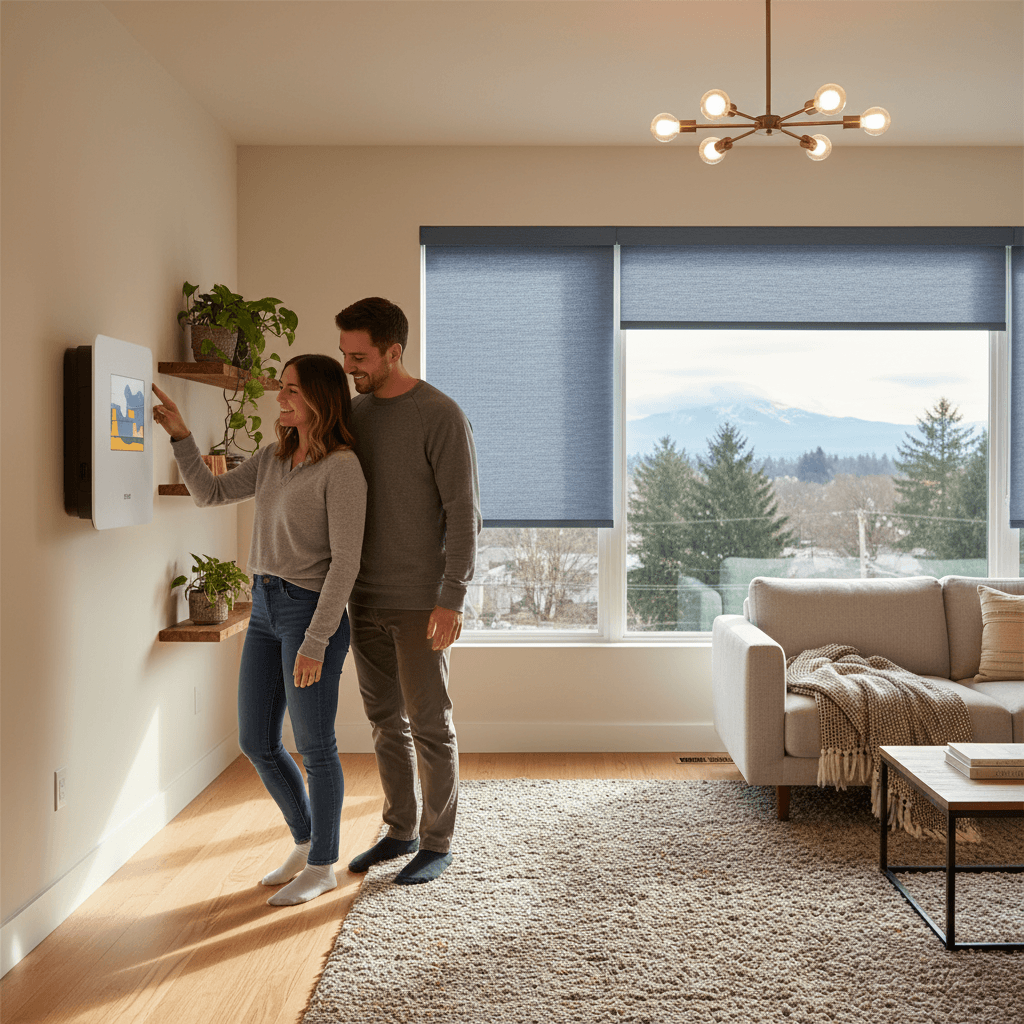
Smart Thermostat Installation: Programmable and smart thermostats optimize system operation based on occupancy patterns and weather conditions. Quality units cost $150-400 and often pay for themselves within 2-3 years through reduced energy consumption.
Zoning Systems: For larger homes or those with varying occupancy patterns, zoning systems allow heating and cooling only occupied areas. While initial costs are higher, operational savings can be substantial for appropriate applications.
Professional HVAC evaluation helps determine which improvements provide the best return on investment for your specific situation and existing equipment condition.
Smart Technology and Energy Management
Modern energy management technology enables Seattle homeowners to optimize consumption patterns, identify inefficiencies, and reduce costs through intelligent automation. These systems are particularly valuable given the region's time-of-use electricity rates and seasonal consumption patterns.
Whole-Home Energy Monitoring: Smart electrical panels and individual circuit monitors provide detailed consumption data, helping identify energy-wasting appliances and usage patterns. Systems typically cost $300-1,500 installed and pay for themselves through identified savings opportunities.
Smart Water Heating: Water heating represents 15-20% of most homes' energy consumption, making it an attractive target for efficiency improvements. Heat pump water heaters, smart controls, and improved insulation can reduce water heating costs by 50-70%.
Advanced Power Strips and Smart Outlets: Phantom loads from electronics and appliances can account for 5-10% of total energy consumption. Smart power strips and outlets automatically eliminate standby power consumption while maintaining convenience for frequently used devices.
Home Automation Integration: Integrated systems that coordinate lighting, heating, cooling, and appliance operation based on occupancy, weather, and utility rates can optimize energy consumption without sacrificing comfort or convenience.
Solar Preparation: While full solar installation represents a major investment, preparing electrical systems and considering solar-ready improvements during other upgrades can reduce future installation costs and complexity.
These technology solutions work best when combined with traditional efficiency improvements like insulation and air sealing, creating comprehensive energy management strategies tailored to Pacific Northwest conditions.
Professional vs. DIY: Making the Right Choice
Determining which energy saving upgrades to tackle yourself versus hiring professionals depends on project complexity, available time, tool requirements, and potential safety considerations. Seattle area homeowners have access to excellent professional resources while also benefiting from moderate weather conditions that make DIY work more feasible year-round.
Ideal DIY Projects: Air sealing with caulk and weatherstripping, basic insulation installation in accessible areas, programmable thermostat installation, and simple lighting upgrades typically suit motivated homeowners with basic tool skills. These projects often provide excellent returns on investment while building knowledge about home energy systems.
Professional Installation Benefits: Complex projects like HVAC system installation, electrical work, major insulation projects, and window replacement benefit from professional expertise. Licensed contractors provide warranties, ensure code compliance, and often have access to better pricing on materials and equipment.
Hybrid Approaches: Many projects benefit from combining DIY preparation with professional installation. For example, homeowners might handle air sealing and cleanup while professionals install insulation, or research and select equipment while hiring qualified installers.
Cost Considerations: Professional installation typically costs 2-3 times material costs alone but includes warranties, proper permitting, and expertise that can prevent costly mistakes. Factor these considerations against project complexity and your available time when making decisions.
Local Contractor Selection: Choose contractors familiar with Pacific Northwest building practices, local codes, and available rebate programs. Verify licensing, insurance, and references from recent similar projects in your area.
Maximizing Rebates and Incentives
Seattle area homeowners have access to numerous rebates, tax credits, and financing programs that can significantly reduce the cost of energy efficiency upgrades. Understanding and combining these programs maximizes return on investment while making larger projects more financially accessible.
Utility Rebate Programs: Seattle City Light, Puget Sound Energy, and other local utilities offer rebates for qualifying efficiency improvements. Heat pump installations, insulation upgrades, and smart thermostats often qualify for substantial rebates that reduce project costs by 20-50%.
Federal Tax Credits: The federal Residential Clean Energy Credit provides 30% tax credits for qualifying improvements through 2032, then reduces to 26% in 2033 and 22% in 2034. Heat pumps, solar installations, and other qualifying technologies can provide substantial tax benefits.
State and Local Programs: Washington State offers various efficiency programs, and some municipalities provide additional incentives for energy improvements. Research programs specific to your location in Redmond, Bellevue, Sammamish, Issaquah, Renton, or Maple Valley.
Financing Options: Many utilities and contractors offer financing programs for efficiency improvements, often with favorable terms that allow monthly savings to exceed payment costs from day one. PACE financing and other specialized programs may also be available.
Timing Strategies: Coordinate project timing to maximize available incentives, as many programs have annual funding limits or seasonal availability. Planning major improvements during utility program enrollment periods can significantly impact total project costs.
Working with contractors familiar with local incentive programs ensures you capture all available benefits and properly document improvements for rebate applications and tax credits.
Investing in Seattle home energy efficiency upgrades provides immediate comfort improvements, long-term cost savings, and increased property value while supporting regional sustainability goals. The combination of moderate climate conditions, available incentives, and rising energy costs makes efficiency improvements particularly attractive for Pacific Northwest homeowners.
Success with energy efficiency projects comes from taking a systematic approach that prioritizes the most cost-effective improvements first, then builds toward comprehensive home performance optimization. Whether you choose DIY approaches for simple projects or professional installation for complex systems, the key is starting with proper assessment and planning.
The energy savings from comprehensive efficiency improvements typically range from 15-40% of total utility costs, with payback periods of 5-15 years depending on specific upgrades and available incentives. Beyond financial benefits, improved comfort, indoor air quality, and reduced environmental impact make these investments valuable for any homeowner committed to long-term home ownership.
Ready to start improving your home's energy efficiency? Contact Stanis LLC Handyman & General Contractor for professional assessment and installation services throughout the Seattle area. Our experienced team understands Pacific Northwest building practices and can help you navigate available rebate programs while ensuring quality installation that delivers lasting results.
Contact Stanis LLC today at contact@handymanst.com to schedule your energy efficiency consultation and start saving money on your utility bills.