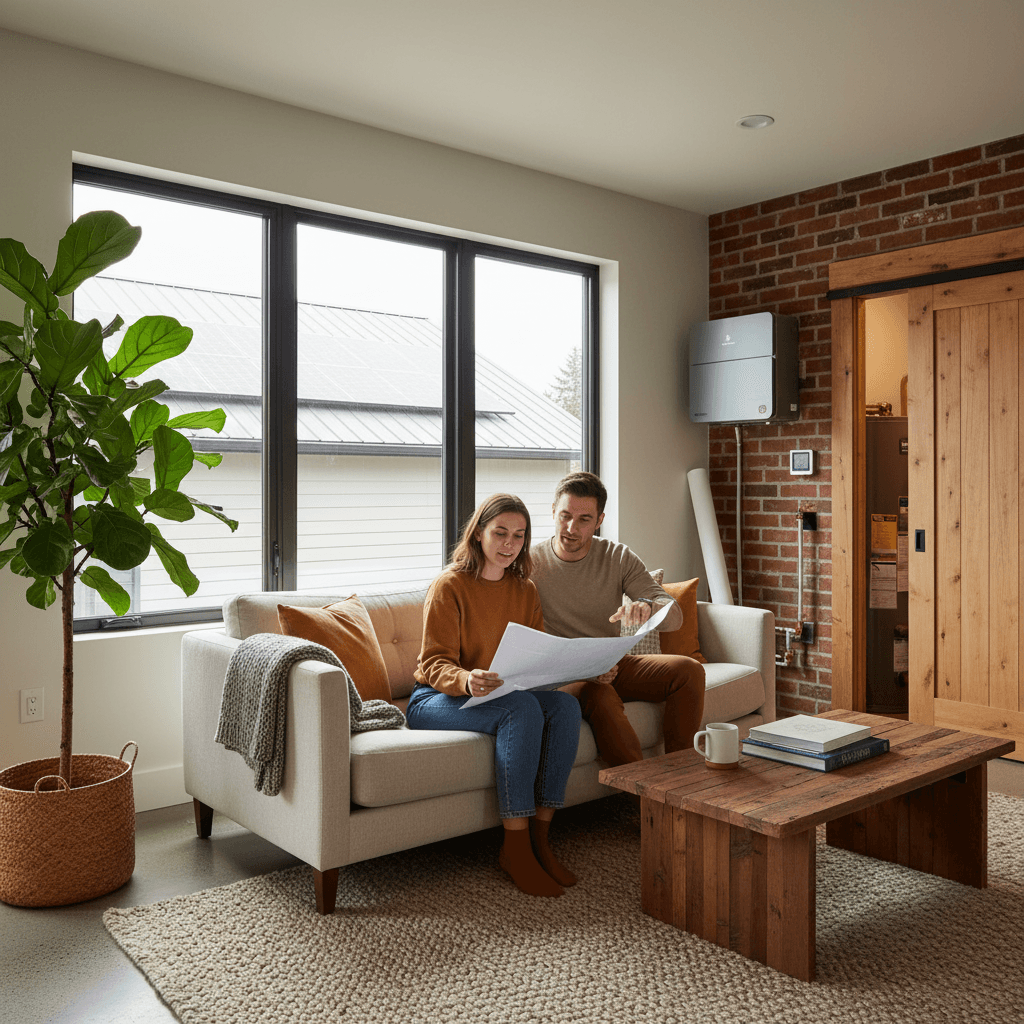
Meta Description: Discover cost-effective energy efficient upgrades for your Seattle home. From insulation to smart thermostats, save money and boost comfort year-round.
Seattle homeowners face unique challenges when it comes to maintaining comfortable, cost-effective living spaces. With the Pacific Northwest's mild but damp climate, combined with rising energy costs, implementing energy efficient home upgrades has become more crucial than ever. Whether you're battling moisture issues in Bellevue, dealing with drafty windows in Redmond, or looking to reduce utility bills in Sammamish, strategic home improvements can deliver significant savings while enhancing your family's comfort.
The good news? Many Seattle home energy efficiency improvements offer excellent returns on investment while reducing your environmental footprint. From simple DIY projects to comprehensive professional installations, there's an energy-saving solution for every budget and skill level. This guide will walk you through the most effective energy saving home improvements specifically tailored for the Seattle area's climate and building characteristics.
Understanding Seattle's Energy Efficiency Challenges
Seattle's marine climate presents distinct opportunities and obstacles for homeowners pursuing energy efficiency. The region's moderate temperatures mean extreme heating and cooling demands are rare, but consistent moisture levels and overcast skies create different priorities compared to other climates.
Key factors affecting energy efficient home upgrades in the Seattle area include:
- Humidity management: Proper ventilation and moisture control are essential
- Thermal bridging: Many older homes lack adequate insulation, especially in areas like Issaquah and Renton
- Natural lighting: Maximizing daylight during darker months reduces electrical demands
- Heating efficiency: Most homes rely on heating systems for 6-8 months annually
Local utility companies like Seattle City Light and Puget Sound Energy offer rebates and incentives for qualifying improvements, making professional upgrades more affordable than ever. These programs often cover 30-50% of installation costs for qualifying energy saving home improvements.
Insulation and Air Sealing: Your First Line of Defense
Proper insulation and air sealing form the foundation of Seattle home energy efficiency. Many homes built before 1980 have inadequate insulation, while even newer constructions may have gaps that allow conditioned air to escape.
DIY Air Sealing Projects
Start with these manageable projects that typically cost under $200 in materials:
- Weatherstrip doors and windows: Apply foam tape or V-strip weatherstripping around frames
- Seal electrical outlets: Install foam gaskets behind outlet covers on exterior walls
- Caulk gaps and cracks: Use paintable acrylic caulk around baseboards, window trim, and penetrations
- Insulate attic access: Add weatherstripping and insulation to attic hatches and pull-down stairs
Professional Insulation Upgrades
For comprehensive improvements, consider professional installation:
Blown-in attic insulation costs $1.50-3.00 per square foot and can reduce heating costs by 15-25%. In Seattle's climate, aim for R-49 to R-60 insulation values in attics.
Wall insulation retrofits range from $3-7 per square foot depending on access and insulation type. Dense-pack cellulose or spray foam work excellently in the Pacific Northwest's humid conditions.
Crawl space encapsulation ($3-8 per square foot) addresses moisture issues common in Maple Valley and other areas with clay soil. This upgrade combines vapor barriers, insulation, and ventilation improvements.
Window and Door Efficiency Improvements
Windows and doors significantly impact energy efficient home upgrades effectiveness. Seattle's frequent rain and moderate temperatures make these improvements particularly valuable.
Window Upgrade Options
Storm windows ($150-400 per window) offer an affordable alternative to full replacement while providing substantial energy savings. They're especially effective on historic homes in neighborhoods throughout Bellevue and Redmond.
Window replacement ($400-1,200 per window) delivers maximum efficiency gains. Look for:
- U-factor ratings of 0.30 or lower
- Low-E coatings to reduce heat transfer
- Argon or krypton gas fills
- ENERGY STAR certification for Pacific Northwest climate
Door Improvements
Entry door replacement ($500-2,500) should prioritize weatherproofing and thermal performance. Fiberglass doors with foam cores perform exceptionally well in Seattle's climate.
Sliding patio door upgrades often yield significant returns since older sliding doors are notoriously inefficient. Modern multi-point locking systems improve both security and weather sealing.
HVAC System Optimization and Smart Controls
Heating, ventilation, and air conditioning systems consume 40-60% of most homes' energy. Optimizing these systems represents one of the most impactful energy saving home improvements available.
Smart Thermostat Installation
Installing a programmable or smart thermostat ($150-400) can reduce heating costs by 8-15% without sacrificing comfort. Popular models like Nest, Ecobee, and Honeywell offer:
Installation steps:
- Turn off power at the circuit breaker
- Remove old thermostat and label wires
- Install new mounting plate
- Connect wires according to manufacturer instructions
- Restore power and configure settings
Most installations take 30-60 minutes and require basic electrical knowledge. However, homes with complex zoned systems or heat pumps may benefit from professional installation.
Duct Sealing and Insulation
Leaky ductwork wastes 20-40% of heated and cooled air in typical homes. Professional duct sealing ($300-800) and insulation ($1-3 per linear foot) dramatically improve system efficiency.
Signs you need duct work include:
- Uneven room temperatures
- Excessive dust
- High utility bills despite efficient equipment
- Visible gaps or disconnected sections
Heat Pump Considerations
Heat pumps work exceptionally well in Seattle's moderate climate, providing both heating and cooling efficiently. Modern cold-climate heat pumps maintain efficiency even when temperatures drop below freezing, making them ideal for Sammamish and Issaquah homeowners.
Installation costs range from $4,000-12,000 depending on system size and complexity, but rebates from local utilities can offset 20-40% of project costs.
Water Heating Efficiency Solutions
Water heating accounts for 15-25% of home energy use, making it a prime target for energy efficient home upgrades. Seattle's moderate groundwater temperatures provide advantages for certain technologies.
Tank Water Heater Improvements
Insulation blankets ($20-40) can reduce standby heat loss by 25-40% on older units. Wrap the tank while avoiding the temperature relief valve and combustion air intake on gas units.
Pipe insulation ($2-5 per linear foot) prevents heat loss in long runs to bathrooms and kitchens. Focus on the first 6 feet of hot and cold water pipes connected to the unit.
Temperature adjustment to 120°F reduces energy consumption while maintaining safety and comfort. Each 10-degree reduction saves 3-5% on water heating costs.
Tankless and Heat Pump Water Heaters
Tankless water heaters ($1,500-4,500 installed) eliminate standby losses and provide unlimited hot water. Gas units work well throughout the Seattle area, while electric units suit homes with robust electrical service.
Heat pump water heaters ($2,500-4,500 installed) extract heat from surrounding air, delivering 2-3 times the efficiency of conventional electric units. They work particularly well in garages and basements with consistent temperatures.
Lighting and Electrical Efficiency Upgrades
Lighting improvements offer quick wins for Seattle home energy efficiency while enhancing daily comfort during darker winter months.
LED Conversion Strategy
Replace incandescent bulbs systematically, starting with fixtures used most frequently. Quality LED bulbs cost $3-15 each but last 15-25 times longer than incandescent alternatives while using 75-80% less energy.
Dimmer switch upgrades ($25-75 per switch) extend bulb life and provide ambiance control. Ensure LED compatibility when selecting dimmers to avoid flickering or buzzing.
Outdoor Lighting Efficiency
Solar pathway lights ($15-50 each) eliminate wiring needs while providing attractive landscape illumination. Choose models with adjustable solar panels to maximize charging during Seattle's variable weather.
Motion sensor fixtures ($40-150 each) improve security while minimizing energy waste. LED floodlights with integrated sensors offer the best combination of efficiency and functionality.
Renewable Energy and Advanced Systems
For homeowners ready to make substantial investments in energy saving home improvements, renewable energy systems provide long-term benefits and potential income through net metering programs.
Solar Panel Installation
Seattle receives more annual sunshine than Germany, which leads global solar adoption. Modern panels generate meaningful electricity even on cloudy days, making them viable throughout Renton, Maple Valley, and surrounding areas.
System costs range from $15,000-30,000 before incentives, but federal tax credits, state rebates, and utility programs can reduce net costs by 40-60%. Most systems pay for themselves within 8-12 years while providing 25+ years of service life.
Battery Storage Solutions
Home battery systems ($8,000-15,000) provide backup power during outages while enabling better solar energy utilization. Popular systems from Tesla, LG, and Enphase integrate seamlessly with existing electrical panels.
Whole-House Energy Management
Smart electrical panels ($2,000-5,000) provide detailed energy monitoring and automatic load management. These systems can prioritize essential circuits during outages while optimizing efficiency during normal operation.
Cost-Benefit Analysis and Prioritization
Successful energy efficient home upgrades require strategic planning to maximize returns on investment. Consider these factors when prioritizing improvements:
High-Impact, Low-Cost Upgrades (Under $500)
- Air sealing and weatherstripping
- LED lighting conversion
- Smart thermostat installation
- Water heater temperature adjustment
- Basic insulation improvements
Medium-Investment Projects ($500-3,000)
- Storm window installation
- Duct sealing and insulation
- Tankless water heater upgrade
- Energy-efficient appliance replacement
- Attic insulation enhancement
Major Renovations ($3,000+)
- Window and door replacement
- HVAC system upgrade
- Solar panel installation
- Whole-house insulation retrofit
- Heat pump water heater installation
Calculating Payback Periods
Use this simple formula: Total project cost ÷ Annual energy savings = Payback period in years
Factor in available rebates and tax incentives to determine true out-of-pocket costs. Many Seattle home energy efficiency improvements qualify for multiple incentive programs, significantly improving payback calculations.
Working with Local Professionals
While many energy efficiency improvements suit DIY installation, complex projects benefit from professional expertise. Licensed contractors understand local building codes, permit requirements, and utility rebate programs specific to the Seattle area.
Professional benefits include:
- Proper sizing and installation of major systems
- Warranty coverage on labor and materials
- Access to contractor-only rebates and financing
- Compliance with local building codes
- Insurance coverage during installation
When hiring contractors:
- Verify licensing through Washington State Department of Labor & Industries
- Request multiple quotes for comparison
- Check references from recent projects in Bellevue, Redmond, or surrounding areas
- Confirm insurance coverage and bonding
- Review warranty terms carefully
Seasonal Maintenance for Optimal Efficiency
Energy efficient home upgrades require ongoing maintenance to deliver promised savings. Establish seasonal routines to protect your investment:
Fall Preparation
- Clean gutters and downspouts
- Service heating system
- Check weatherstripping condition
- Test programmable thermostat settings
- Seal any new gaps or cracks
Spring Tasks
- Change HVAC filters
- Clean heat pump outdoor units
- Inspect ductwork for damage
- Test cooling system operation
- Check caulking around windows and doors
Year-Round Monitoring
- Track monthly utility bills for usage trends
- Monitor indoor humidity levels (30-50% optimal)
- Replace air filters every 1-3 months
- Keep outdoor units clear of debris
- Document any performance changes
Conclusion and Next Steps
Implementing energy efficient home upgrades in the Seattle area delivers multiple benefits: reduced utility bills, improved comfort, increased home value, and environmental stewardship. Whether you're starting with simple air sealing in Issaquah or planning comprehensive solar installation in Sammamish, every improvement contributes to a more efficient, comfortable home.
The key to success lies in strategic planning, quality implementation, and ongoing maintenance. Start with high-impact, low-cost improvements to build momentum, then reinvest savings into larger projects over time. Take advantage of local rebates and incentives to maximize your investment returns.
Remember that Seattle home energy efficiency improvements work best as integrated systems rather than isolated upgrades. Professional guidance can help you avoid common pitfalls while ensuring all improvements work together harmoniously.
Ready to start your energy saving home improvements journey? Whether you need help prioritizing projects, installing complex systems, or simply want expert advice on maximizing your home's efficiency, professional guidance makes the difference between good results and exceptional outcomes.
Contact Stanis LLC Handyman & General Contractor today at contact@handymanst.com to schedule your comprehensive energy efficiency consultation. Our experienced team serves homeowners throughout Seattle, Redmond, Bellevue, Sammamish, Issaquah, Renton, and Maple Valley with professional installation, maintenance, and repair services for all your home improvement needs.