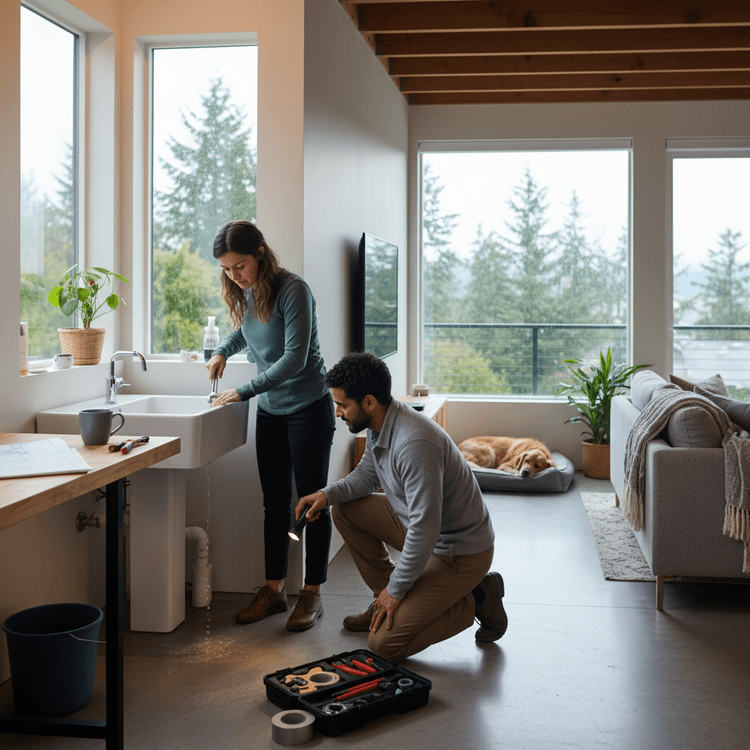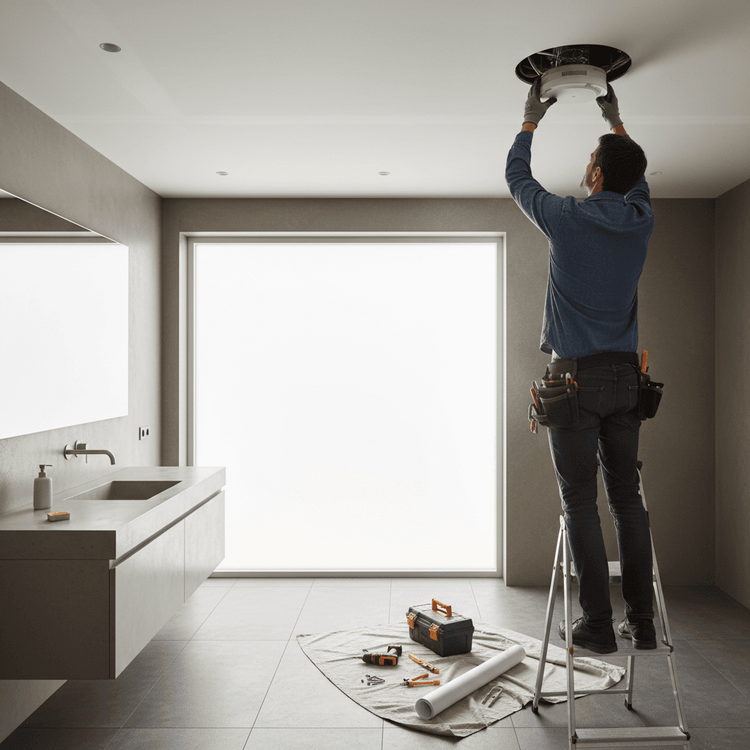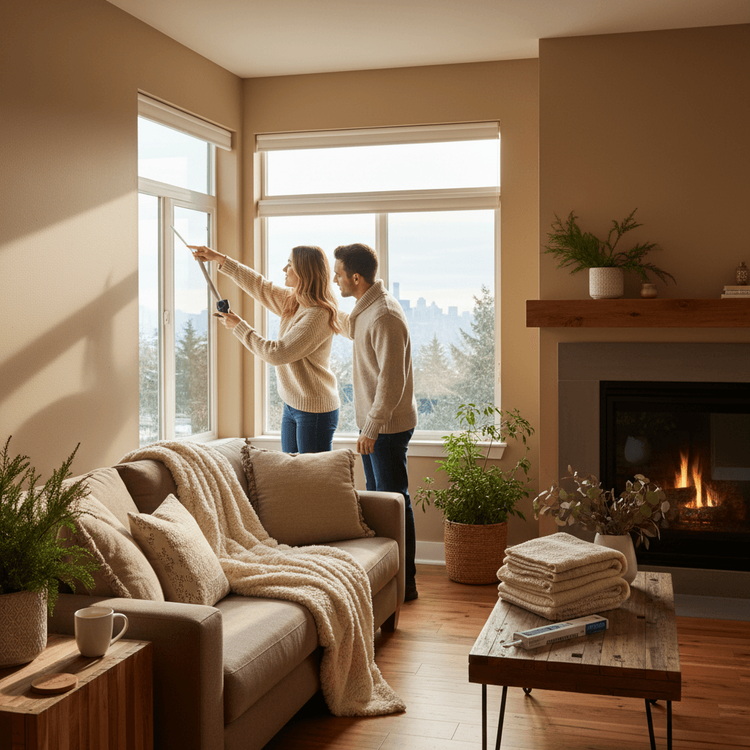
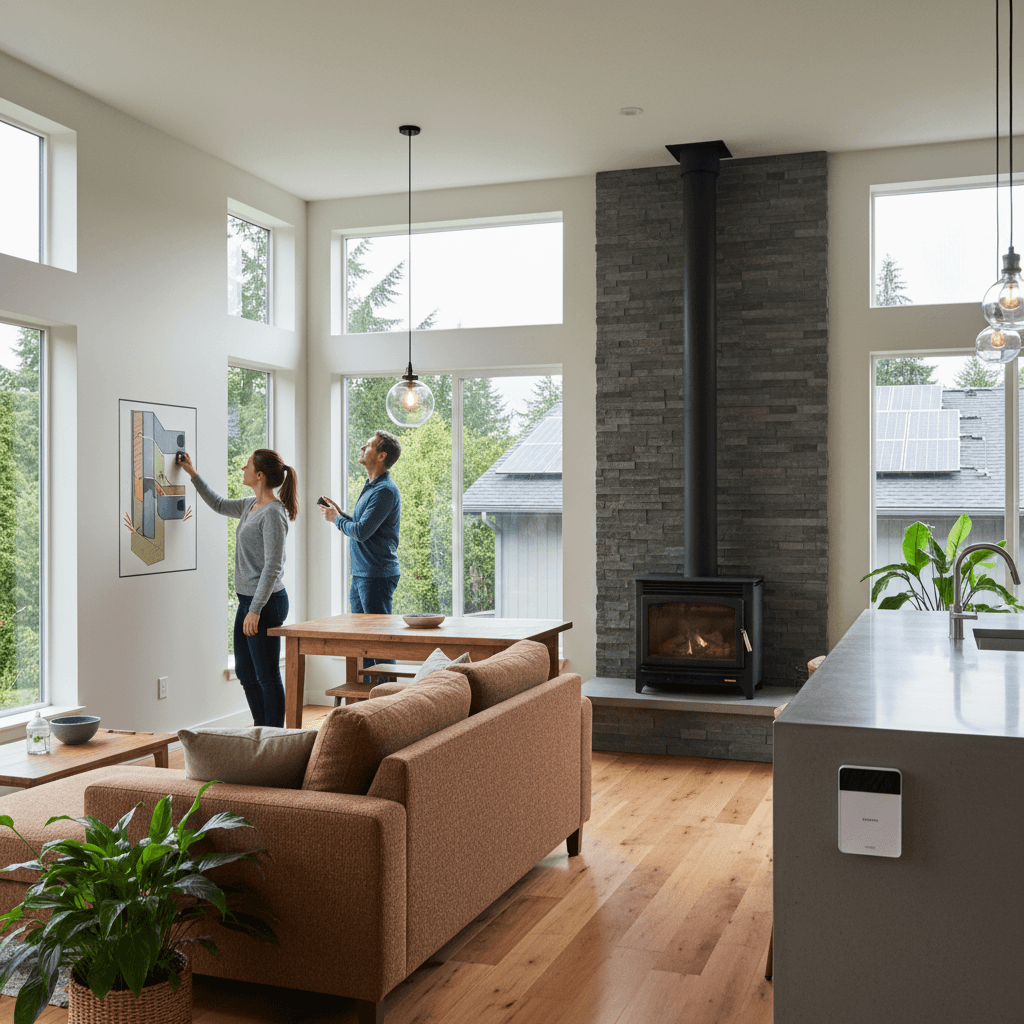
Seattle homeowners face unique challenges when it comes to energy efficiency. With wet winters, mild summers, and rising utility costs, creating an energy-efficient home isn't just about comfort—it's about smart financial planning. Whether you're in downtown Seattle, the eastside communities of Bellevue and Redmond, or south toward Renton and Maple Valley, the Pacific Northwest climate demands specific approaches to home energy management.
The good news? Strategic energy efficiency upgrades can significantly reduce your monthly utility bills while increasing your home's value and year-round comfort. From comprehensive weatherproofing solutions to professional insulation installation, these improvements pay for themselves over time while creating a more comfortable living environment for your family.
Understanding Seattle's Energy Efficiency Challenges
Seattle's moderate marine climate presents distinct energy challenges that differ from other regions. While we don't experience extreme temperatures, the persistent moisture and frequent temperature fluctuations create unique demands on home heating and cooling systems.
The typical Seattle home loses energy through several key areas: poorly sealed windows and doors, inadequate attic insulation, drafty basements, and aging HVAC systems. These issues are particularly common in older neighborhoods throughout Sammamish, Issaquah, and established Seattle areas where homes were built before modern energy codes.
Humidity management also plays a crucial role in energy efficiency here. Excess moisture forces heating systems to work harder and can lead to mold issues, particularly in basements and crawl spaces. Proper ventilation and moisture control should be integrated into any comprehensive energy upgrade plan.
Understanding your home's specific energy loss patterns is the first step toward effective improvements. Many utility companies in the Seattle area offer free or low-cost energy audits that can identify the most impactful upgrade opportunities for your specific property.
Essential Weatherproofing Solutions for Seattle Homes
Home weatherproofing Seattle residents need goes beyond basic caulking and weather stripping, though these remain important foundational elements. Comprehensive weatherproofing addresses air leaks, moisture infiltration, and thermal bridging—all critical factors in our climate.
Window and Door Sealing
Start with a thorough inspection of all windows and doors. Look for gaps around frames, cracked caulking, and worn weather stripping. Even small gaps can account for significant energy loss over time.
For DIY weatherproofing, focus on:
- Replacing worn weather stripping around doors (cost: $2-5 per door)
- Caulking gaps around window and door trim (cost: $20-40 for materials)
- Installing door sweeps on exterior doors (cost: $10-25 each)
Professional weatherproofing services may recommend more comprehensive solutions like window replacement or structural air sealing, which can cost $200-800 per window but provide substantial long-term savings.
Foundation and Crawl Space Sealing
Many Seattle-area homes have crawl spaces that create significant energy loss. Professional air sealing of crawl spaces and rim joists can reduce heating costs by 10-15%. This typically requires specialized equipment and knowledge of building codes, making it a job for experienced contractors.
Attic Air Sealing
Before adding insulation, proper air sealing of the attic floor prevents warm air from escaping through electrical penetrations, plumbing vents, and other openings. This step is crucial but often overlooked in DIY projects.
Insulation Installation: Attic, Walls, and Crawl Spaces
Insulation installation Bellevue contractors frequently recommend starts with understanding R-values appropriate for our climate zone. Seattle falls into Climate Zone 4C, requiring specific insulation levels for optimal performance.
Attic Insulation
Attic insulation provides the highest return on investment for most homes. The recommended R-value for Seattle area attics is R-49 to R-60, which typically translates to 12-18 inches of blown-in insulation or equivalent batt thickness.
DIY attic insulation steps:
- Measure current insulation depth and calculate existing R-value
- Air seal penetrations before adding insulation
- Install proper ventilation baffles at eaves
- Add insulation to achieve target R-value
- Maintain proper ventilation pathways
Cost considerations: DIY blown-in insulation runs $1.50-2.50 per square foot, while professional installation costs $2.50-4.00 per square foot. Professional installation often includes air sealing services and comes with warranties.
Wall Insulation
Wall insulation in existing homes requires more complex approaches. Options include blown-in insulation through small holes, which professionals can complete with minimal disruption. This upgrade typically costs $2.50-4.00 per square foot but can reduce heating costs by 20-30%.
Crawl Space and Basement Insulation
Crawl space insulation strategies vary based on whether the space is vented or encapsulated. Professional assessment is recommended due to moisture management requirements and building code considerations specific to Seattle area construction.
Window Upgrades and Smart Glass Solutions
Windows significantly impact energy efficiency, especially in older Seattle homes with single-pane glass. Modern window solutions offer multiple approaches to improved performance without always requiring full replacement.
Window Film and Storm Windows
For budget-conscious homeowners, window film can reduce heat loss by 10-15% at a cost of $3-7 per square foot. Interior storm windows provide better performance at $15-25 per square foot while preserving historic window character.
Double and Triple-Pane Replacements
Full window replacement with double-pane, low-E glass typically costs $400-800 per window but can reduce energy loss by 30-50%. Triple-pane windows, while more expensive ($600-1200 per window), provide superior performance in our climate.
Smart Glass Technology
Emerging smart glass solutions allow dynamic light and heat control. While currently expensive ($50-100 per square foot), these technologies are becoming more accessible and offer excellent performance in Seattle's variable lighting conditions.
Professional installation ensures proper flashing, insulation, and weatherproofing integration. Many window contractors in Redmond, Bellevue, and surrounding areas offer financing options that align monthly payments with energy savings.
HVAC System Optimization and Smart Thermostats
Heating, ventilation, and air conditioning systems consume the largest portion of most homes' energy budgets. Optimization doesn't always require complete system replacement—strategic upgrades can significantly improve efficiency.
Ductwork Sealing and Insulation
Leaky ducts waste 20-30% of heated air in typical homes. Professional duct sealing using specialized equipment costs $1500-3000 but provides immediate, measurable energy savings. DIY duct sealing with mastic sealant can address accessible leaks for $100-200 in materials.
Heat Pump Installation
Modern heat pumps work efficiently in Seattle's moderate climate, providing both heating and cooling. Air source heat pumps cost $4000-8000 installed, while ground source systems run $15,000-25,000. Many utility companies offer significant rebates for heat pump installations.
Smart Thermostat Integration
Programmable and smart thermostats optimize heating schedules based on occupancy and weather patterns. Quality units cost $150-300 and can reduce heating costs by 8-12%. Professional installation ensures proper wiring and system integration.
Zoning Systems
Multi-zone HVAC systems allow temperature control in different areas, reducing energy waste in unused spaces. Retrofitting existing systems with zoning costs $2000-5000 but provides excellent value for larger homes.
Lighting and Electrical Efficiency Improvements
Lighting accounts for 10-15% of typical home energy use, making it an important upgrade category with relatively low investment requirements.
LED Conversion
Complete LED conversion reduces lighting energy use by 75-80% compared to incandescent bulbs. Quality LED bulbs cost $3-15 each but last 15-25 years. Focus on frequently used fixtures first for maximum impact.
Smart Lighting Controls
Motion sensors, timers, and smart switches automate lighting efficiency. Basic motion sensors cost $15-40 per fixture, while comprehensive smart lighting systems run $200-800 per room but offer convenience and additional savings.
Electrical Panel Upgrades
Older homes may benefit from electrical panel upgrades that support modern energy-efficient appliances and systems. Panel upgrades cost $1500-3000 but enable other efficiency improvements and improve home safety.
Cost Analysis and Return on Investment
Understanding the financial impact of energy efficiency upgrades helps prioritize projects and plan budgets effectively. Return on investment varies based on current energy costs, home characteristics, and upgrade quality.
High-Impact, Low-Cost Upgrades
These projects typically pay for themselves within 1-3 years:
- Weather stripping and caulking: $50-200 investment, 5-10% energy savings
- Programmable thermostats: $150-300 investment, 8-12% heating cost reduction
- LED lighting conversion: $200-600 investment, 75% lighting energy reduction
- Basic weatherproofing: $300-800 investment, 10-15% overall energy savings
Medium-Term Investment Projects
These upgrades typically recoup costs within 3-7 years:
- Attic insulation installation: $1500-4000 investment, 15-25% heating cost reduction
- Window replacements: $5000-15000 investment, 20-30% energy savings
- Heat pump installation: $4000-8000 investment, 30-50% heating cost reduction
Long-Term Value Improvements
Major upgrades that increase home value while providing energy savings:
- Comprehensive insulation installation: $5000-12000 investment
- Whole-house weatherproofing: $3000-8000 investment
- Complete HVAC system replacement: $8000-20000 investment
Many upgrades qualify for utility rebates, federal tax credits, and state incentive programs that significantly improve payback periods.
Professional vs. DIY: Making the Right Choice
Deciding between professional installation and DIY approaches depends on project complexity, safety considerations, building code requirements, and your skill level.
Ideal DIY Projects
Homeowners can typically handle:
- Basic weather stripping and caulking
- LED bulb replacement
- Simple thermostat installation
- Accessible ductwork sealing
- Basic attic insulation (with proper safety precautions)
Professional Installation Recommended
Complex projects requiring professional expertise:
- Electrical panel upgrades and major wiring work
- HVAC system installation and modification
- Spray foam insulation application
- Window replacement and structural modifications
- Comprehensive air sealing with specialized equipment
Hybrid Approaches
Some projects benefit from professional assessment and planning with homeowner execution. Energy audits, insulation planning, and system design consultations cost $200-500 but can guide effective DIY implementation.
Professional contractors provide warranties, ensure code compliance, and often have access to better materials and rebate programs. For major investments, professional installation protects your investment and ensures optimal performance.
Conclusion and Next Steps
Energy efficiency upgrades represent some of the smartest investments Seattle area homeowners can make. From simple weatherproofing improvements to comprehensive insulation installation, these upgrades reduce monthly utility costs while increasing home comfort and value.
The key to success lies in taking a systematic approach: start with an energy audit to identify your home's specific needs, prioritize high-impact improvements, and plan upgrades that work together as an integrated system. Whether you're in Bellevue, Sammamish, Issaquah, or anywhere in the greater Seattle area, these improvements will serve you well for decades to come.
Don't let another season pass with higher utility bills and uncomfortable rooms. Professional guidance can help you choose the right upgrades for your home and budget while ensuring proper installation and optimal performance.
Ready to start improving your home's energy efficiency? Contact Stanis LLC Handyman & General Contractor today for a comprehensive assessment and personalized upgrade recommendations. Our experienced team serves homeowners throughout Seattle, Bellevue, Redmond, Sammamish, Issaquah, Renton, and Maple Valley with professional installation services and expert guidance.
Contact us today: contact@handymanst.com
Let us help you create a more comfortable, efficient, and valuable home that serves your family's needs for years to come.