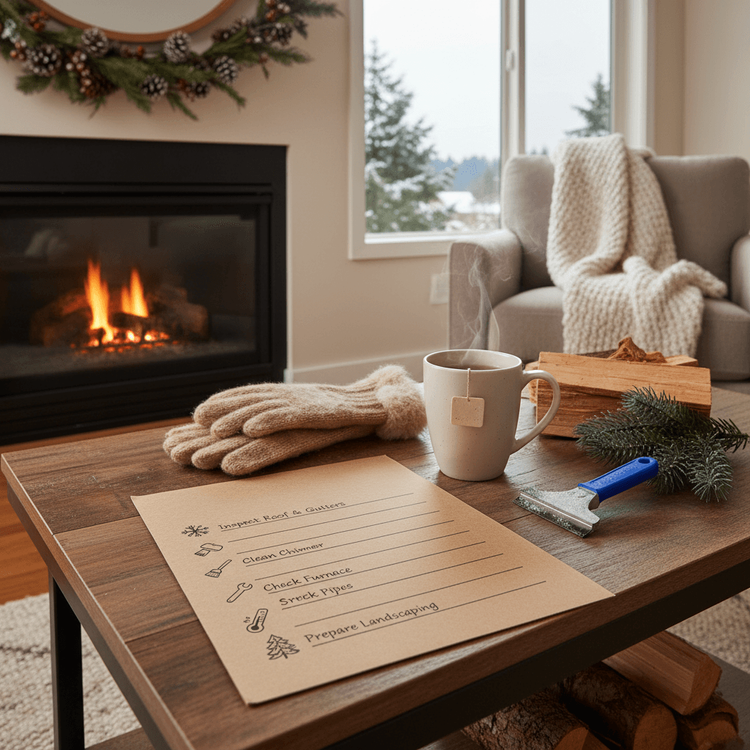
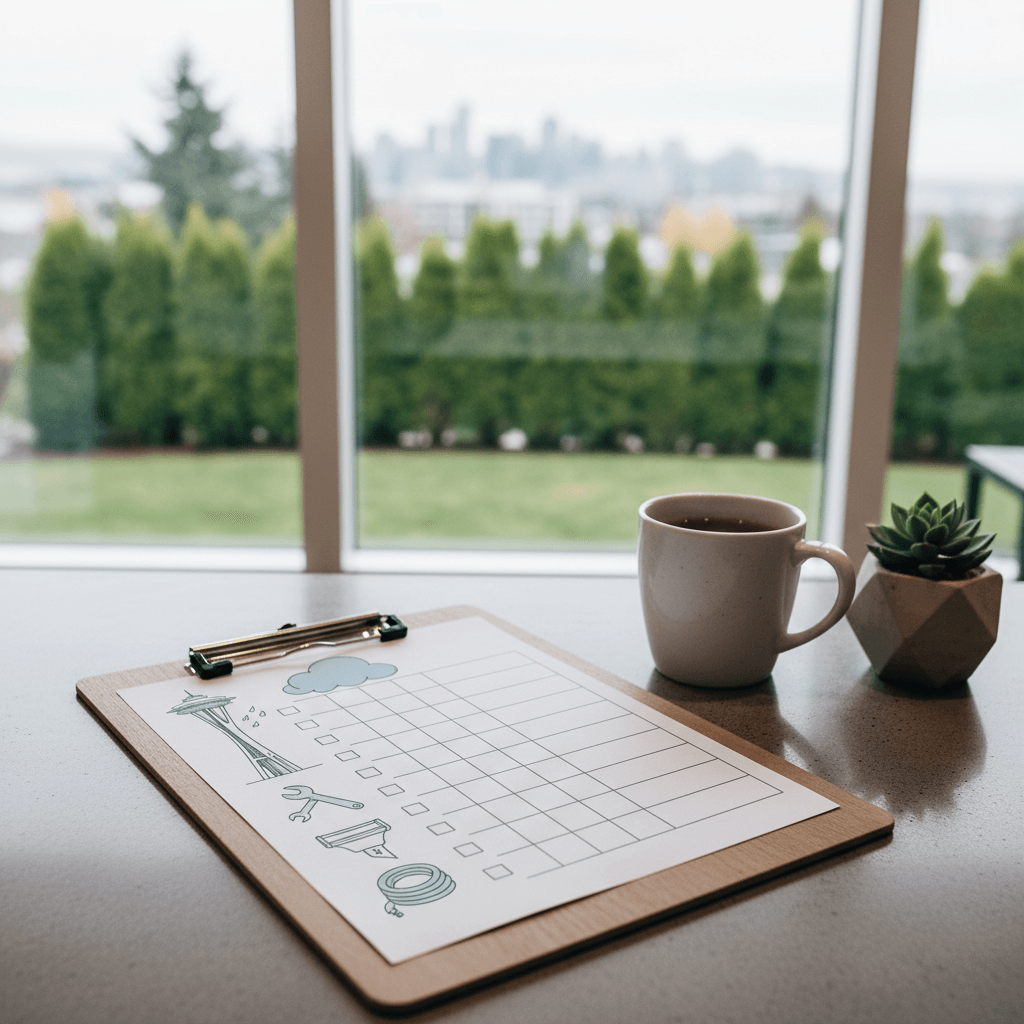
Every Seattle homeowner knows that our unique Pacific Northwest climate presents distinct challenges for maintaining a home. From our notorious rainy seasons to occasional snow and everything in between, your home faces constant exposure to moisture, temperature fluctuations, and seasonal wear. That's why having a comprehensive home maintenance checklist for Seattle properties isn't just recommended—it's essential for protecting your investment and avoiding costly emergency repairs.
Whether you're a new homeowner in Bellevue or have been maintaining your Redmond property for years, preventive home maintenance is your best defense against the elements. This guide will walk you through seasonal maintenance tasks specifically tailored to our local climate, helping you stay ahead of potential issues before they become expensive problems.
Understanding Seattle's Unique Maintenance Challenges
Seattle's climate is both a blessing and a challenge for homeowners. Our mild temperatures mean we don't face the extreme freeze-thaw cycles that plague other regions, but our extended rainy seasons—averaging 150+ rainy days per year—create their own set of maintenance concerns.
The high humidity and frequent precipitation mean that moisture-related issues top the list of maintenance priorities. From roof leaks to foundation drainage, gutter maintenance to exterior wood preservation, Seattle homes require vigilant attention to water management systems. Additionally, our dense tree cover, while beautiful, means homes in areas like Sammamish and Issaquah face increased debris accumulation and potential storm damage from falling branches.
Understanding these local factors is crucial for developing an effective seasonal home maintenance routine that addresses our specific environmental challenges.
Spring Home Maintenance Tasks (March - May)
Spring is the perfect time to assess winter damage and prepare your home for the upcoming year. As Seattle emerges from its wettest months, this seasonal home maintenance period focuses on addressing moisture damage and preparing systems for increased use.
Exterior Inspection and Maintenance:
Start with a thorough exterior walkthrough. Check your roof for missing or damaged shingles—winter storms often cause damage that isn't immediately apparent. Look for loose or damaged gutters, downspouts, and drainage systems. In areas like Maple Valley where properties often have extensive landscaping, ensure proper grading directs water away from your foundation.
Inspect exterior wood surfaces including decks, fences, and siding. Seattle's wet climate is particularly hard on wood, so look for signs of rot, warping, or pest damage. This is typically a $200-500 DIY project for minor repairs, but extensive damage may require professional assessment.
HVAC System Preparation:
Replace furnace filters and schedule professional HVAC maintenance. While Seattle's mild climate means less extreme temperature control needs, proper ventilation is crucial for managing indoor humidity. Clean air vents and ensure proper airflow throughout your home.
Interior Tasks:
Test smoke detectors and carbon monoxide alarms, replacing batteries as needed. Inspect caulking around windows, doors, and bathrooms—areas where moisture infiltration is most likely. Fresh caulk is an inexpensive preventive measure that can save hundreds in water damage repairs.
Summer Home Maintenance Essentials (June - August)
Summer in Seattle offers the best weather window for exterior maintenance projects. With lower rainfall and longer daylight hours, this is prime time for preventive home maintenance tasks that require dry conditions.
Exterior Painting and Sealing:
Summer's dry conditions make it ideal for exterior painting and wood sealing projects. Seattle's UV exposure, while less intense than sunnier climates, still requires protection for exterior surfaces. Budget $1,500-4,000 for professional exterior painting of an average home, or $300-800 for quality DIY materials.
Focus on south and west-facing surfaces that receive the most sun exposure. Don't forget to inspect and maintain outdoor structures like pergolas, gazebos, and outdoor kitchens that are popular in areas like Bellevue and Redmond.
Deck and Patio Maintenance:
Clean and seal decks, patios, and walkways. Power washing followed by appropriate sealers can extend the life of these surfaces significantly. For composite decking, follow manufacturer guidelines for cleaning and maintenance.
Irrigation and Landscaping Systems:
Test and adjust sprinkler systems for summer watering needs. Check for leaks, broken heads, or areas with poor coverage. Proper irrigation prevents both overwatering (which can cause foundation issues) and underwatering (which stresses landscaping investments).
Window and Door Maintenance:
Clean windows inside and out, and inspect window seals and weatherstripping. Lubricate door hinges and locks. These simple tasks improve both appearance and energy efficiency while preventing moisture infiltration.
Fall Preparation Checklist (September - November)
Fall home maintenance focuses on preparing your Seattle home for the upcoming rainy season. This preventive home maintenance period is critical for ensuring your home weathers the winter months without issues.
Gutter and Drainage Systems:
This is the most crucial fall maintenance task for Seattle homes. Clean gutters and downspouts thoroughly, removing leaves, debris, and any blockages. With our abundant tree cover, particularly in areas like Issaquah and Sammamish, gutter maintenance is a ongoing concern.
Install gutter guards if you haven't already—they're a worthwhile investment for most Seattle properties. Professional installation typically costs $1,000-2,500 for an average home but can significantly reduce maintenance needs.
Check that downspouts direct water at least 6 feet from your foundation. Extend downspouts or install splash blocks as needed to prevent foundation water damage.
Roof Inspection and Maintenance:
Perform a detailed roof inspection before winter storms arrive. Look for loose, cracked, or missing shingles. Check flashing around chimneys, vents, and roof penetrations. Clear moss growth, which is particularly problematic in our damp climate.
While basic roof maintenance can be DIY, anything involving getting on the roof should be left to professionals, especially given Seattle's frequent wet conditions that make roofs particularly slippery.
Heating System Preparation:
Service your heating system before you need it. Replace filters, check ductwork for leaks, and ensure vents are unobstructed. Even though Seattle winters are mild, a well-functioning heating system is essential for comfort and preventing humidity issues.
Exterior Weatherproofing:
Inspect and replace weatherstripping around doors and windows. Check for gaps or cracks in exterior caulking. These small investments in materials (typically under $100) can save significantly on heating costs and prevent water damage.
Winter Maintenance and Monitoring (December - February)
Winter home maintenance in Seattle focuses on monitoring systems and addressing issues before they become emergencies. While we don't face the extreme cold of other regions, our wet winters present their own challenges.
Regular System Monitoring:
Check your home's moisture levels regularly. Use dehumidifiers in basements or crawl spaces if needed. Monitor for signs of ice dams, though they're less common here than in colder climates.
Keep gutters clear of debris that continues to accumulate during winter storms. While you may not need to clean them monthly, periodic checks prevent overflow and ice formation.
Emergency Preparedness:
Seattle occasionally experiences freezing weather, snow, and ice storms. Insulate exposed pipes, know where your main water shut-off is located, and keep emergency supplies on hand.
Trim tree branches that threaten power lines or structures. Winter storms can bring down branches, particularly when heavy, wet snow accumulates.
Indoor Air Quality:
With windows closed more often during winter, indoor air quality becomes important. Change HVAC filters more frequently, use exhaust fans in bathrooms and kitchens, and consider air purifiers if needed.
Year-Round Maintenance Priorities
Some maintenance tasks don't follow seasonal schedules but require regular attention throughout the year. These ongoing preventive home maintenance activities help catch small problems before they become major repairs.
Monthly Tasks:
Test GFCI outlets monthly for proper function. Check for signs of pests, particularly in basements, crawl spaces, and attics. Clean range hood filters and inspect appliance connections for wear or damage.
Quarterly Tasks:
Deep clean dryer vents and lint traps—lint buildup is a fire hazard and reduces efficiency. Inspect plumbing under sinks for leaks or corrosion. Check bathroom and kitchen caulking for deterioration.
Bi-Annual Tasks:
Service major appliances according to manufacturer recommendations. Flush water heaters to remove sediment buildup. Inspect and test sump pumps if your home has them—particularly important in lower-lying areas of Renton and some parts of Bellevue.
When to Call a Professional vs. DIY Maintenance
Understanding when to tackle maintenance tasks yourself versus calling a professional is crucial for both safety and cost-effectiveness. Seattle homeowners often have a DIY spirit, but some tasks require professional expertise.
Safe DIY Tasks:
Basic cleaning, filter changes, caulking, minor painting, and simple repairs are generally safe for homeowners. These tasks typically require common tools and basic skills, with material costs under $200 for most projects.
Professional Tasks:
Anything involving electrical work beyond simple outlet replacement should be handled by licensed electricians. Major plumbing repairs, roof work, HVAC system repairs, and structural assessments require professional expertise.
Cost Considerations:
While DIY maintenance can save money upfront, improper repairs often cost more in the long run. Consider the complexity of the task, your skill level, and the potential consequences of mistakes. For example, a $50 caulking job done incorrectly could lead to thousands in water damage repairs.
Professional maintenance services typically range from $150-400 for basic seasonal tune-ups, while emergency repairs can cost significantly more. Regular preventive maintenance helps avoid these emergency situations.
Conclusion
Implementing a comprehensive home maintenance checklist for Seattle homeowners is one of the most cost-effective ways to protect your property investment. By staying ahead of maintenance needs with seasonal tasks tailored to our Pacific Northwest climate, you'll avoid costly emergency repairs and ensure your home remains comfortable and efficient year-round.
Remember that preventive home maintenance is exactly that—preventive. The key is consistency and addressing small issues before they become major problems. Whether your home is in the urban core of Seattle or the suburban communities of Redmond, Bellevue, Sammamish, Issaquah, Renton, or Maple Valley, these maintenance principles apply to keeping your property in excellent condition.
While many maintenance tasks are suitable for DIY enthusiasts, don't hesitate to call professionals when needed. The investment in proper maintenance and professional services when required will pay dividends in avoided repairs, improved home value, and peace of mind.
Ready to get started on your home maintenance checklist or need professional assistance with any of these tasks? Contact Stanis LLC Handyman & General Contractor at contact@handymanst.com for expert maintenance services throughout the greater Seattle area. Our experienced team understands the unique challenges of maintaining homes in our Pacific Northwest climate and can help you develop a customized maintenance plan that keeps your home in peak condition year-round.