A Costco shed kit looks simple on the product page. Then the flat-pack boxes arrive: several hundred pounds of panels, dozens of hardware bags, and an instruction manual thicker than most novels. That is when the real question surfaces. Should you build it yourself, or hire shed contractors to handle it? This guide walks Seattle area homeowners through both paths so you can decide based on your time, tools, and site conditions rather than optimism alone.
DIY Costco Shed Assembly or Shed Contractors: How to Decide
The honest answer depends on three things: your experience with construction tools, the condition of your site, and how much consecutive free time you have. Costco sheds are engineered for DIY assembly, but possible and pleasant are two different words. Most kits contain 500 or more parts, and a first-time builder should plan on 12 to 20 hours of work spread across a weekend or two.
Hire shed contractors if any of these apply:
- Your site slopes, drains poorly, or needs real base work before anything else
- You do not own an impact driver, a 4-foot level, a framing square, and sawhorses
- You cannot recruit a second set of hands for the panel lifts
- You want the kit shingles and finish coat done correctly the first time
- The shed has to be standing by a specific date
Go the DIY route if:
- Your site is already level and well drained
- You have framing or deck-building experience
- You have a helper and at least one full free weekend, ideally two
- You genuinely enjoy this kind of project
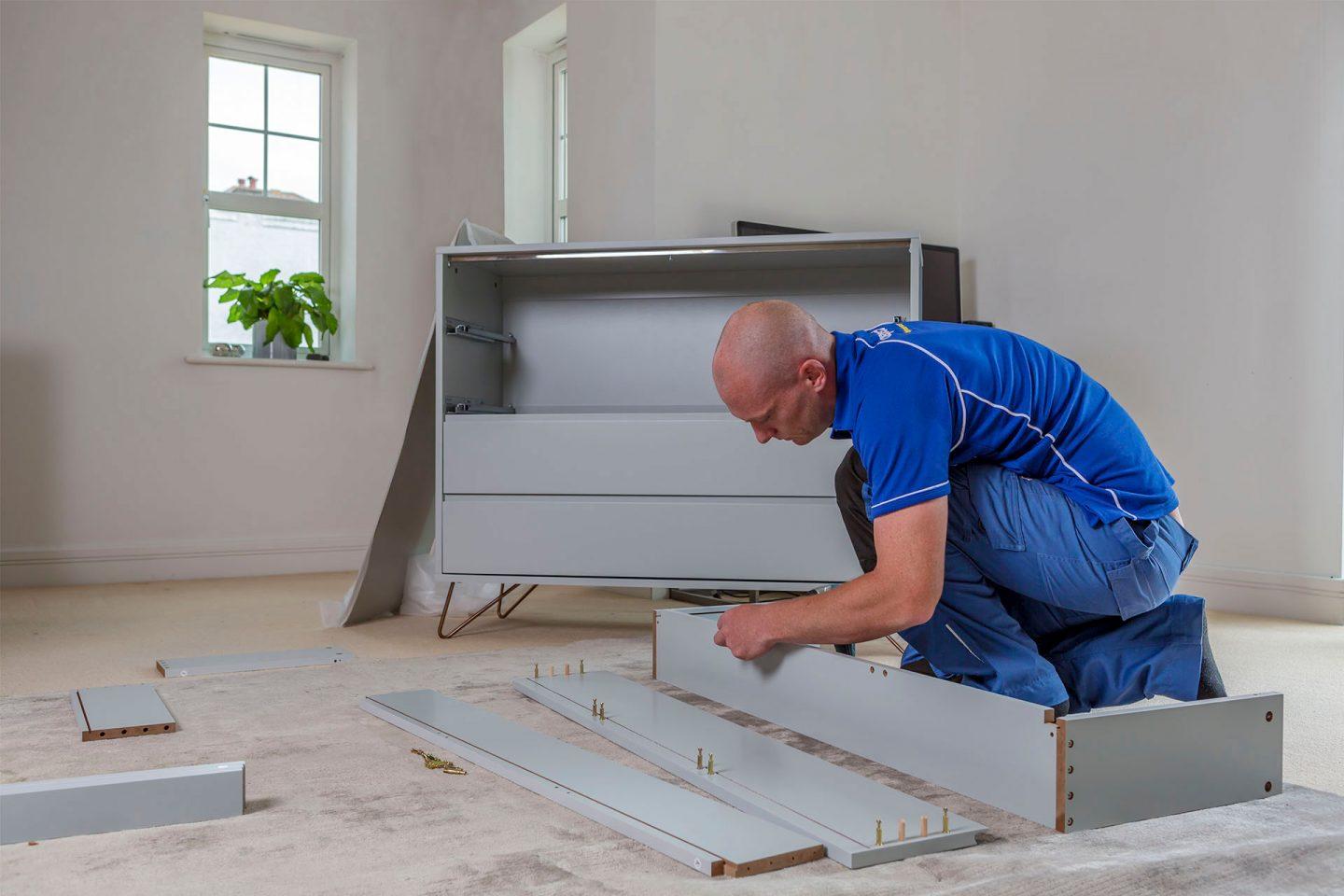
If you land on the professional side, a furniture and equipment assembly service that regularly builds Costco kits is usually the most cost-effective option, because shed kit assembly is closer to large-scale flat-pack work than to ground-up construction.
What DIY Shed Assembly Really Involves
Costco sheds arrive as flat-pack kits with detailed manuals, but the product listing undersells the workload.
What you are actually dealing with:
- Multiple heavy boxes that take two people to move safely
- Hundreds of components that must be inventoried and organized before assembly
- Instructions that assume some construction knowledge
- Tools many homeowners do not have on hand
- 8 to 16 hours of labor for experienced DIYers, and often double that for first-timers
- Heavy lifting, ladder work, and long stretches at awkward angles
Precision matters from the first step. An unlevel base or out-of-square walls cause problems through the entire build: doors that will not close, gaps in the panels, and water finding its way inside.
Step 1: Site and Base Preparation
Before you open a single box, you need a proper base. This is where most DIY shed projects go wrong.
Base requirements:
- A level surface, since even a slight slope creates compounding problems
- Drainage that keeps water from pooling under the floor
- Stable ground that will not settle unevenly
- Clearance from property lines and structures per local setback rules
Common base options include a concrete slab, a gravel pad with a timber frame, concrete piers, or pavers. In the Seattle area's wet climate, drainage is the deciding factor: a 4-inch gravel pad with pavers under the load points is the most cost-effective base for most yards.
One scope note worth knowing before you get quotes: base construction is usually priced separately from kit assembly. Most professional installers, our crew included, ask that the pad be ready before assembly day, or they will quote the base work as its own line item. Budget and schedule accordingly.
Step 2: Frame Assembly and Squaring
Once the base is ready, the build begins. This phase carries the most physical work and the least room for shortcuts.
Key assembly points:
- Walls must be perfectly square before anything is fully fastened
- Door and window openings need precise alignment
- Roof panels must be supported while they are fastened
- Hardware gets snugged in sequence, then fully tightened only after the section is complete
- Two or more people are essential for handling large panels safely
Small framing mistakes compound as you go. Getting a wall a quarter inch out of square on Saturday morning can mean partial disassembly on Sunday afternoon.
Step 3: Roof Panels and the Shingles in the Box
Most Costco shed kits ship with their own shingles, and installing them is part of standard kit assembly rather than a separate roofing job.
Doing the kit shingles right involves:
- Laying underlayment as a moisture barrier
- Correct overlap so water sheds off the structure
- Starter strips at the roof edges
- Fasteners driven flush, not overdriven through the shingle
- Ventilation so moisture does not build up inside
A clear scope note: this is shed roof shingle installation included in kit assembly. It is not house roofing, which is a specialty trade with its own licensing and safety requirements. If your project involves the roof of your home, hire a dedicated roofing contractor for that work.
From Seattle to Puyallup, where rain is a near constant, the shingle stage is what determines whether your stored tools stay dry.
Step 4: Painting and Weather Protection
A freshly assembled shed is bare wood facing a Pacific Northwest winter. Without finishing, even pressure-treated panels deteriorate faster than they should.
Why the finish coat matters:
- Moisture protection against rot, warping, and splitting
- UV protection that slows fading and wood breakdown
- Fewer pest problems, since many insects target untreated wood
- A longer service life for the whole investment
The process is the same one used on houses: sand and fill imperfections, prime to seal the wood, then apply two coats of quality exterior paint or stain with real drying time between them. It is the same prep-first approach we take on full exterior painting projects in Seattle, scaled down to shed size. Skipping primer or painting into an incoming rain front is the fastest way to redo the job next summer.
Do You Need a Shed Permit in Seattle or Bellevue?
Permit rules are the step DIYers most often skip, and the one that can complicate a future home sale. As general guidance for anyone researching a shed permit in Seattle: the city typically allows storage sheds up to 200 square feet without a building permit, provided the shed is not used as living space. Bellevue and Redmond apply similar thresholds. Setbacks from property lines, commonly 5 feet or more, apply to sheds of every size, and any shed with electrical service requires permits regardless of footprint.
Rules change and vary block by block, so confirm with your local building department before the base goes in. Homeowners in Seattle and Bellevue can also ask us to flag setback or siting issues during a site visit.
Common Shed Assembly Mistakes
Even experienced DIYers hit the same snags on Costco kits:
- Starting before reading the full manual and inventorying every part
- Building on an unlevel surface and trying to shim it right later
- Fully tightening bolts too early, which locks in misalignment
- Hanging doors before the structure is square and secured
- Shingling without underlayment or correct overlap
- Painting without surface prep
- Working alone on two-person panel lifts
Timeline and Market Costs: DIY vs Professional
Experienced DIYer, typical totals:
- Base preparation: 4 to 8 hours
- Assembly: 8 to 12 hours
- Kit shingle installation: 3 to 5 hours
- Painting: 6 to 10 hours including drying time
- Total: 2 to 4 days of actual work
First-time builder: double those estimates and expect weather delays, since painting needs dry conditions.
Professional crew: most builds are completed in 1 to 2 days once the base is ready.
On cost, market rates for professional Costco shed assembly in Seattle generally run from around $400 for a small 8x10 kit to $1,500 for large or feature-heavy models, with base construction, delivery help, and anchoring priced separately. Treat those figures as market estimates rather than a quote; the kit model and your site conditions move the number, so get a written price for your specific project.
How to Vet Shed Contractors
If you hire out the build, a few checks separate solid shed contractors from a stranger with a drill:
- Verify registration. Every contractor working in Washington must be registered with the state. Look them up on the Washington L&I contractor verification tool before signing anything.
- Ask about kit experience. Costco shed models have quirks; a crew that has built them before finishes faster and cleaner.
- Confirm the scope in writing. Does the price include the base, the kit shingles, anchoring, and paint, or assembly only?
- Check insurance and workmanship warranty. Both should be offered without hesitation.
- Ask who is accountable for permits and setbacks. Even when no permit is required, setback compliance is on the owner.
Stanis LLC is a Washington-licensed general contractor & handyman serving the Seattle area; you can see our credentials and verify our registration through the state lookup above.
Maintenance After the Build
A properly assembled and painted shed still needs a little attention each year:
- Inspect the roof annually for damaged or missing shingles
- Touch up paint every 2 to 3 years or as needed
- Check for pest activity near ground level
- Keep drainage clear around the base
- Lubricate hinges and locks annually
- Clear debris and leaves from around the structure, and knock heavy snow off the roof in winter
Most of these fold neatly into the fall and spring rounds in our Seattle home maintenance checklist, so add the shed to the same routine you use for the house.
The Bottom Line
Assembling a Costco shed yourself is achievable if you have the tools, a helper, a level site, and a couple of free weekends. It is also a bigger project than the box suggests, and the base, the shingles, and the finish coat are the three places where DIY shortcuts turn into leaks and rot. If any of those give you pause, hiring a professional turns a multi-weekend grind into a one or two day shed installation, in Seattle and across the Eastside and South Sound.
Stanis LLC, a Washington-licensed general contractor & handyman, handles Costco and other brand shed kits through our assembly service, including kit shingle installation and exterior finishing, for homeowners from Seattle and Bellevue to Redmond, Sammamish, Issaquah, Renton, Federal Way, Auburn, Puyallup, Sumner, and Bonney Lake. Request a free quote and we will tell you honestly whether your project is a good DIY candidate or one worth handing off.