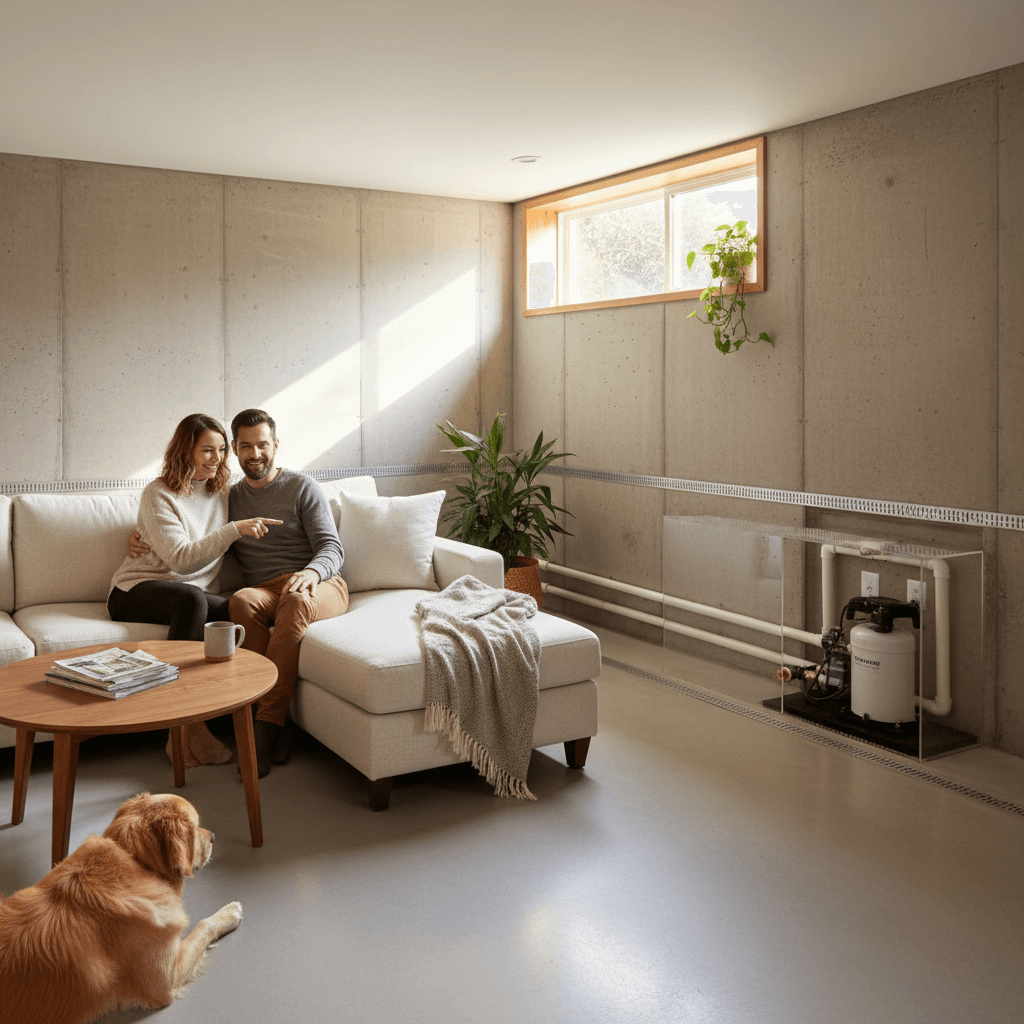
Seattle's Pacific Northwest climate brings beautiful scenery and lush greenery, but it also presents unique challenges for homeowners—particularly when it comes to basement moisture problems. With the region receiving over 37 inches of rainfall annually, basement waterproofing in Seattle isn't just a luxury; it's an essential investment in protecting your home's foundation, air quality, and overall value.
Whether you're dealing with minor dampness or major water intrusion, understanding your waterproofing options can save you thousands in future repairs while creating a healthier living environment for your family. This comprehensive guide will walk you through everything Seattle-area homeowners need to know about basement waterproofing solutions, from identifying early warning signs to choosing the right professional contractor for the job.
Understanding Seattle's Unique Basement Moisture Challenges
The Seattle metropolitan area, including Redmond, Bellevue, Sammamish, and surrounding communities, faces distinct environmental factors that contribute to basement moisture issues. The region's clay-heavy soil composition, combined with frequent rainfall and high groundwater levels, creates perfect conditions for water infiltration.
Many homes in neighborhoods like Issaquah and Maple Valley were built during periods when waterproofing standards weren't as stringent as today's requirements. These older properties often lack proper exterior waterproofing membranes, adequate drainage systems, or modern vapor barriers—making them particularly susceptible to moisture problems.
The topographical variations across the Seattle area also play a significant role. Homes situated on slopes or in low-lying areas face increased hydrostatic pressure, while properties near Lake Washington or other water bodies must contend with elevated humidity levels year-round. Understanding these local conditions is crucial when selecting appropriate basement waterproofing solutions.
Common Signs Your Seattle Home Needs Basement Waterproofing
Early detection of moisture problems can prevent costly structural damage and health hazards. Seattle homeowners should watch for these telltale signs:
Visible Water Intrusion:
- Puddles or standing water after heavy rains
- Water stains on walls or floors
- Active leaks around foundation cracks or window wells
Humidity and Condensation Issues:
- Persistent musty odors
- Condensation on pipes, walls, or windows
- Relative humidity consistently above 60%
Structural Warning Signs:
- Efflorescence (white, chalky deposits on concrete)
- Cracking or spalling concrete
- Warped or rotting wooden structures
- Rust on metal fixtures or appliances
Air Quality Concerns:
- Mold or mildew growth
- Increased allergy symptoms among household members
- Persistent dampness despite dehumidifier use
If you notice any combination of these symptoms, it's time to consult with waterproofing contractors in Seattle to assess your situation and develop an appropriate remediation plan.
Interior Waterproofing Solutions: Your First Line of Defense
Interior waterproofing methods focus on managing moisture that has already entered your basement space. While not as comprehensive as exterior solutions, these approaches can be highly effective for minor to moderate moisture issues and are often more budget-friendly for Seattle homeowners.
Basement Sealers and Coatings: Interior sealers create a moisture barrier on basement walls and floors. High-quality epoxy or polyurethane coatings can effectively reduce minor seepage while improving your basement's appearance. These products work best on structurally sound concrete with minimal cracking.
Interior Drainage Systems: French drain systems installed along the basement perimeter collect and redirect water to a sump pump. This approach is particularly effective in Bellevue and Redmond homes where exterior excavation isn't feasible due to landscaping or proximity to neighboring properties.
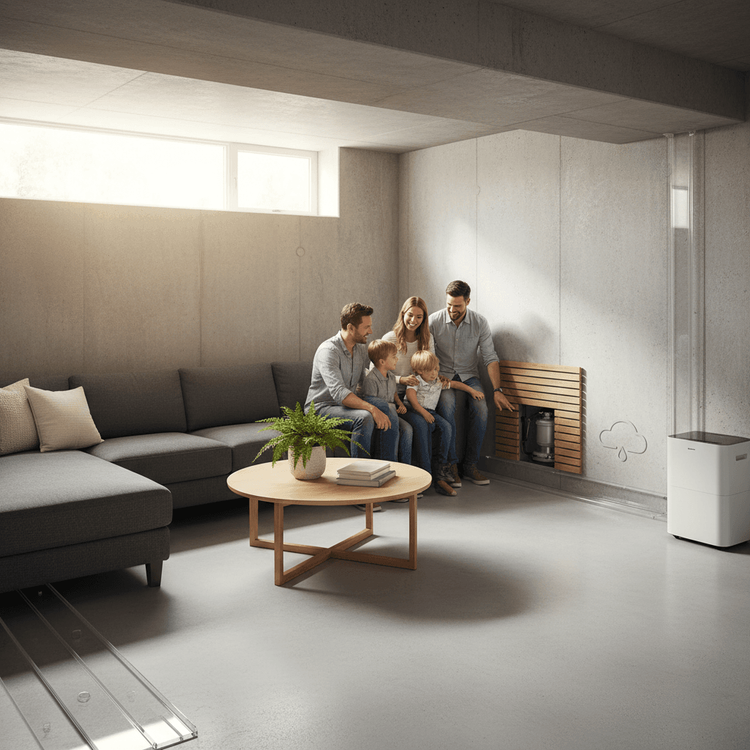
Vapor Barriers and Dehumidification: Installing plastic vapor barriers on walls, combined with proper dehumidification, can significantly reduce moisture levels. This solution works well for homes experiencing condensation issues rather than active water intrusion.
Step-by-Step Interior Sealing Process:
- Clean and prepare all surfaces, removing any existing paint or sealers
- Repair minor cracks with hydraulic cement or polyurethane caulk
- Apply primer specifically designed for masonry surfaces
- Install the waterproof coating using a brush or roller, following manufacturer specifications
- Allow proper curing time before exposing to moisture
Interior solutions typically cost between $3-$9 per square foot, making them an attractive option for homeowners seeking immediate moisture control while planning for more comprehensive exterior work.
Exterior Waterproofing: The Gold Standard for Protection
Exterior basement waterproofing provides the most comprehensive protection against water intrusion by addressing moisture at its source—before it reaches your foundation walls. This approach is particularly important in Seattle's wet climate and represents the gold standard for long-term moisture control.
Excavation and Membrane Installation: Professional exterior waterproofing begins with excavating around your home's foundation to expose basement walls completely. Waterproofing contractors in Seattle then clean the foundation surface, repair any cracks or defects, and apply a high-quality waterproof membrane system.
Foundation Drainage Improvements: Proper exterior drainage is crucial for preventing water accumulation around your foundation. This includes installing or upgrading:
- Perimeter drain tiles (French drains)
- Proper grading to direct water away from the foundation
- Downspout extensions and splash blocks
- Window well covers and drainage
Comprehensive System Components: A complete exterior waterproofing system typically includes:
- Waterproof membrane or coating on foundation walls
- Drainage board or dimpled membrane for improved water flow
- Gravel backfill for enhanced drainage
- Proper soil grading and surface water management
Timeline and Process Expectations: Exterior waterproofing projects in the Seattle area typically take 3-7 days, depending on your home's size and soil conditions. Weather considerations are important—most contractors prefer dry conditions for optimal results, though experienced professionals can work safely in light rain with proper precautions.
While exterior waterproofing requires a larger upfront investment ($150-$300 per linear foot), it provides superior long-term protection and can significantly increase your home's value—a particularly important consideration in competitive markets like Sammamish and Bellevue.
Drainage Systems: Protecting Your Investment Long-Term
Effective drainage systems are fundamental to any successful basement waterproofing strategy. Even the best waterproof membranes can fail without proper water management around your foundation.
Exterior Drainage Solutions: French drain systems installed around your home's perimeter collect groundwater before it can create hydrostatic pressure against foundation walls. These systems work by creating a pathway of least resistance, directing water to safe discharge areas away from your home.
Sump Pump Systems: Many Seattle-area homes benefit from sump pump installation, particularly in lower-lying areas of Renton and Maple Valley. Modern sump pump systems include:
- Primary pumps sized appropriately for your home's needs
- Battery backup systems for power outage protection
- High-water alarms for early warning
- Discharge lines with proper freeze protection
Surface Water Management: Controlling surface water is equally important as managing groundwater. Key strategies include:
- Maintaining proper grading (minimum 6-inch drop over first 10 feet from foundation)
- Installing or repairing gutters and downspouts
- Creating swales or drainage channels in landscaping
- Using permeable paving materials for driveways and walkways
Maintenance Requirements: Regular maintenance ensures your drainage system continues performing effectively:
- Annual sump pump testing and inspection
- Seasonal cleaning of gutters and downspouts
- Periodic French drain flushing to remove accumulated debris
- Professional system evaluation every 3-5 years
Investing in comprehensive drainage improvements typically costs $2,000-$8,000 but provides long-term protection that far exceeds the initial expense.
DIY vs. Professional Basement Waterproofing: Making the Right Choice
Deciding between DIY and professional basement waterproofing depends on several factors, including the severity of your moisture problems, your skill level, and long-term protection goals.
When DIY Makes Sense:
- Minor condensation issues requiring dehumidification
- Small crack repairs (less than 1/8 inch wide)
- Interior sealer application on sound concrete
- Basic drainage improvements like extending downspouts
DIY Safety Considerations: Working in basements presents unique hazards:
- Ensure adequate ventilation when using chemical products
- Test for mold or asbestos before disturbing materials
- Use appropriate personal protective equipment
- Understand electrical safety in potentially damp environments
When Professional Help Is Essential:
- Active water intrusion or flooding
- Structural cracks or foundation settling
- Exterior excavation and membrane installation
- Electrical work for sump pumps or dehumidification systems
- Mold remediation or air quality concerns
Professional Advantages: Experienced waterproofing contractors in Seattle bring valuable benefits:
- Proper diagnosis of moisture sources and underlying causes
- Access to commercial-grade materials and equipment
- Warranty protection on labor and materials
- Understanding of local building codes and permit requirements
- Insurance coverage for potential complications
Cost Comparison Analysis: While DIY solutions may seem cost-effective initially, consider long-term value:
- DIY interior sealing: $2-$5 per square foot
- Professional interior waterproofing: $5-$15 per square foot
- DIY exterior attempts often require professional correction, doubling costs
- Professional exterior systems: $150-$300 per linear foot with 10-20 year warranties
For most Seattle homeowners, a hybrid approach works best—handling minor maintenance and monitoring while relying on professionals for major waterproofing installations and repairs.
Cost Considerations and Return on Investment
Understanding the financial aspects of basement waterproofing helps Seattle homeowners make informed decisions about protecting their investment. While upfront costs can seem substantial, the long-term benefits typically far outweigh initial expenses.
Typical Cost Ranges for Seattle Area:
- Interior sealers and coatings: $1,500-$5,000 for average basement
- Interior drainage systems: $4,000-$12,000 depending on complexity
- Exterior waterproofing: $8,000-$25,000 for complete perimeter treatment
- Sump pump installation: $1,200-$3,500 including battery backup
- Comprehensive solutions: $15,000-$40,000 for full exterior and interior systems
Factors Affecting Project Costs:
- Foundation depth and accessibility
- Soil conditions and excavation requirements
- Extent of existing damage requiring repair
- Local permit and inspection fees
- Seasonal demand and contractor availability
Long-Term Financial Benefits: Proper basement waterproofing provides significant returns:
- Prevention of costly structural repairs ($20,000-$100,000+)
- Improved indoor air quality reducing health care costs
- Increased usable living space and home value
- Lower insurance premiums and reduced claim risks
- Energy savings through improved humidity control
Insurance and Warranty Considerations: Most homeowner's insurance policies exclude gradual water damage, making prevention crucial. However, many insurers offer discounts for homes with professional waterproofing systems. Quality contractors provide warranties ranging from 5-25 years, offering additional peace of mind and protection.
Financing Options: Many Seattle-area contractors offer financing programs to make waterproofing more accessible:
- Traditional home improvement loans
- Contractor-sponsored financing with promotional rates
- Home equity lines of credit for larger projects
- Energy efficiency rebates for certain improvements
In competitive real estate markets like Bellevue and Redmond, professional basement waterproofing can increase home values by $10,000-$30,000 while preventing much larger repair expenses down the road.
Choosing the Right Waterproofing Contractor in Seattle
Selecting qualified waterproofing contractors in Seattle requires careful research and evaluation. The quality of installation significantly impacts your system's long-term performance, making contractor selection crucial to project success.
Essential Contractor Qualifications:
- Current Washington state contractor's license
- Comprehensive general liability and workers' compensation insurance
- Local Better Business Bureau membership and positive ratings
- Manufacturer certifications for waterproofing products
- Established local presence with verifiable references
Key Questions for Potential Contractors:
- How many basement waterproofing projects have you completed in the Seattle area?
- What specific warranty do you provide on materials and labor?
- Can you provide recent local references I can contact?
- Do you handle permit applications and inspections?
- What happens if problems arise after project completion?
Red Flags to Avoid:
- Door-to-door solicitations or high-pressure sales tactics
- Requests for full payment upfront
- Unusually low bids that seem too good to be true
- Lack of local business address or verifiable credentials
- Unwillingness to provide detailed written estimates
Evaluating Proposals: Quality proposals should include:
- Detailed scope of work and materials specifications
- Clear timeline with milestones and completion dates
- Transparent pricing breakdown for labor and materials
- Warranty terms and claim procedures
- Permit and inspection responsibilities
Local Expertise Matters: Contractors familiar with Seattle's unique challenges understand:
- Local soil conditions and drainage patterns
- Seasonal weather considerations for optimal installation
- Municipal permit requirements and inspection processes
- Proven solutions for common regional problems
- Established relationships with material suppliers
Take time to research multiple contractors, check references, and compare detailed proposals before making your decision. The lowest bid isn't always the best value when long-term performance and warranty protection are considered.
Maintaining Your Waterproofing Investment
Proper maintenance ensures your basement waterproofing system continues protecting your Seattle home for decades. Regular attention to key components prevents minor issues from becoming major problems while preserving warranty coverage.
Seasonal Maintenance Schedule:
Spring Preparation:
- Test sump pump operation before heavy spring rains
- Clean gutters and downspouts of winter debris
- Inspect foundation grading after freeze-thaw cycles
- Check basement for any new cracks or moisture signs
Summer Monitoring:
- Maintain proper humidity levels (30-50%) during dry periods
- Ensure adequate ventilation in basement spaces
- Address any landscaping that may affect drainage
- Schedule professional system inspections during dry weather
Fall Winterization:
- Clear leaves and debris from drainage systems
- Insulate exposed sump pump discharge lines
- Test backup power systems before storm season
- Inspect and seal any minor cracks before winter moisture
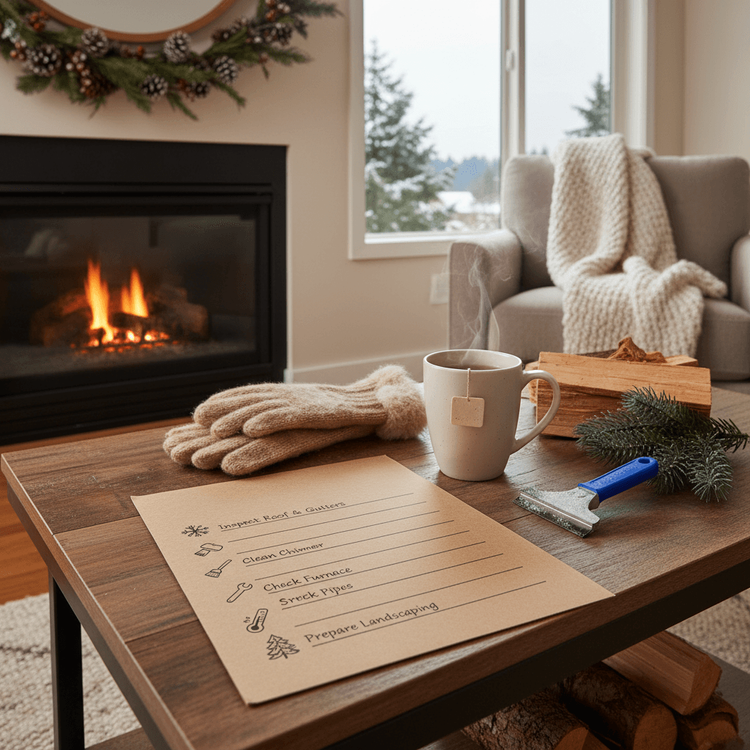
Winter Vigilance:
- Monitor for ice dams affecting roof drainage
- Check basement regularly during heavy rain periods
- Ensure heating systems maintain adequate basement temperatures
- Keep emergency contact information readily available
Professional Maintenance Services: Many waterproofing contractors in Seattle offer annual maintenance programs including:
- Comprehensive system inspections
- Sump pump testing and cleaning
- Drain cleaning and flow testing
- Early problem detection and reporting
- Priority service for emergency situations
Warning Signs Requiring Immediate Attention:
- Return of moisture or musty odors
- Sump pump running excessively or not at all
- New cracks in foundation walls or floors
- Changes in water flow patterns around your property
- Unusual settling or movement in basement areas
Regular maintenance typically costs $200-$500 annually but can prevent thousands in repair expenses while maintaining your system's warranty coverage.
Conclusion: Protecting Your Seattle Home Investment
Basement waterproofing represents one of the most important investments Seattle area homeowners can make in protecting their property, health, and financial security. With the region's challenging climate conditions and unique geological factors, proactive moisture control isn't optional—it's essential for long-term home ownership success.
Whether you're dealing with minor humidity issues or major water intrusion, solutions exist to address your specific situation. From cost-effective interior treatments to comprehensive exterior waterproofing systems, the key is matching the right approach to your home's needs and your long-term goals.
Remember that basement waterproofing is an investment in your family's health and comfort, your home's structural integrity, and your property's market value. Quality installations by experienced professionals provide decades of protection while offering warranty coverage and peace of mind.
For Seattle area homeowners in Redmond, Bellevue, Sammamish, Issaquah, Renton, Maple Valley, and surrounding communities, don't wait until moisture problems become major repairs. Take action now to protect your most valuable investment.
Ready to protect your home from moisture damage? Contact Stanis LLC Handyman & General Contractor today for a comprehensive basement waterproofing consultation. Our experienced team understands Seattle's unique challenges and can design a customized solution that fits your needs and budget. Email us at contact@handymanst.com or call to schedule your professional assessment. Your home's protection can't wait—let us help you keep your basement dry and your family safe.