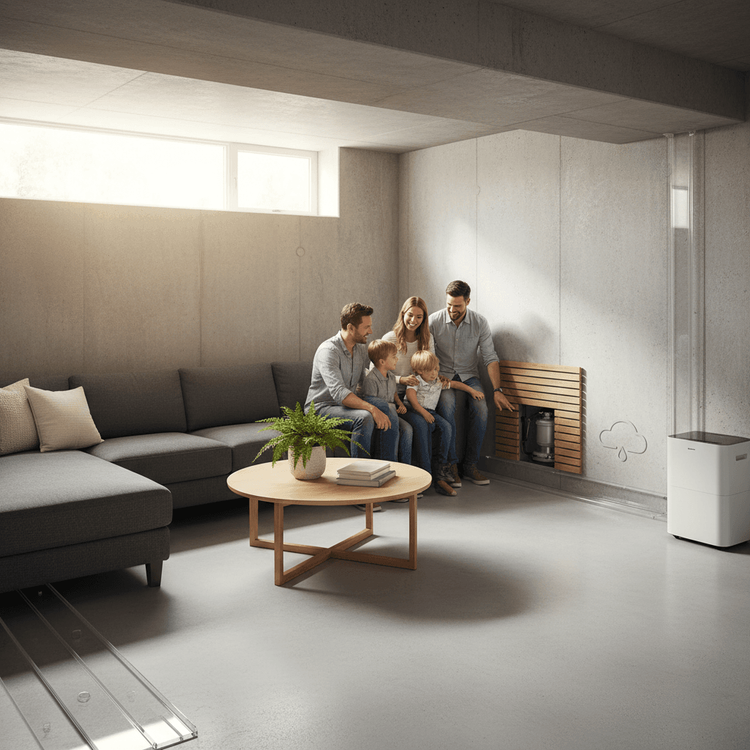

Seattle's climate brings both beauty and challenges to homeowners across the Puget Sound region. With an average of 150+ rainy days annually, moisture-related issues are a constant concern, particularly in basements. From Redmond's tech corridors to Bellevue's family neighborhoods, homeowners face the ongoing threat of water infiltration that can lead to costly damage, health concerns, and structural problems.
Professional basement waterproofing Seattle services have become essential for protecting property values and ensuring healthy living environments. Whether you're dealing with minor seepage in your Sammamish home or major flooding issues in Issaquah, understanding your waterproofing options can save thousands in repairs while preserving your family's safety and comfort.
This comprehensive guide explores everything Pacific Northwest homeowners need to know about basement waterproofing, from identifying early warning signs to choosing between DIY solutions and professional intervention.
Understanding Seattle's Unique Waterproofing Challenges
The Pacific Northwest's geological and climatic conditions create perfect storms for basement moisture problems. Seattle-area homes face multiple water infiltration risks that other regions rarely encounter simultaneously.
Clay Soil Composition: Much of the Seattle area, particularly in Redmond and Bellevue, sits on dense clay soil that doesn't drain well. When saturated, clay expands and exerts tremendous pressure against foundation walls, creating cracks and forcing water through even microscopic openings.
Seasonal Water Table Fluctuations: The region's wet winters and drier summers cause dramatic water table changes. Groundwater levels can rise significantly during rainy months, putting additional hydrostatic pressure on basement walls and floors.
Temperature Variations: While Seattle doesn't experience extreme freeze-thaw cycles like other climates, the constant temperature fluctuations still cause foundation materials to expand and contract, creating pathways for water infiltration.
Topographical Considerations: Many Seattle-area neighborhoods, especially in Sammamish and Issaquah, feature sloped lots that naturally channel water toward foundations. Without proper drainage systems, this runoff accumulates around basement perimeters.
Aging Infrastructure: Many homes in established neighborhoods like Maple Valley and Renton were built before modern waterproofing standards existed, leaving them vulnerable to moisture intrusion.
Understanding these unique challenges helps homeowners make informed decisions about waterproofing services Redmond contractors recommend for long-term protection.
Signs Your Basement Needs Waterproofing
Early detection of moisture problems can prevent minor issues from becoming major disasters. Seattle-area homeowners should watch for these warning signs:
Visible Water Damage:
- Water stains on walls or floors
- Mineral deposits (efflorescence) appearing as white, chalky residue
- Rust stains around metal fixtures
- Peeling paint or wallpaper
- Warped or buckled flooring materials
Moisture Indicators:
- Condensation on pipes, walls, or windows
- Persistent humidity above 50%
- Musty or mildew odors
- Visible mold growth, particularly in corners or near floor-wall joints
Structural Signs:
- New or expanding cracks in foundation walls
- Bowing or bulging walls
- Gaps around basement windows or doors
- Separation between walls and floors
Seasonal Patterns: Pay attention to problems that worsen during Seattle's rainy season (typically October through May). If issues disappear during drier months but return with rainfall, you likely need professional basement waterproofing Seattle experts to address the root cause.
Air Quality Changes: Increased allergies, respiratory issues, or general stuffiness when spending time in basement areas often indicates elevated moisture levels requiring professional attention.
Types of Basement Waterproofing Solutions
Professional waterproofing contractors offer various approaches depending on your specific situation, budget, and long-term goals.
Interior Waterproofing Systems
Interior solutions address water that has already penetrated foundation walls, managing it before it causes damage.
Basement Sealers and Coatings: Applied directly to interior walls, these products create moisture barriers. While effective for minor seepage, they're temporary solutions best suited for recently constructed homes with minimal water infiltration.
Interior Drainage Systems: French drains installed along basement perimeters collect and redirect water to sump pumps. This approach works well for homes where exterior excavation isn't feasible due to landscaping or structural constraints.
Sump Pump Installation: Essential components of basement water damage prevention systems, sump pumps automatically remove accumulated water. Battery backup systems ensure protection during power outages common during Pacific Northwest storms.
Exterior Waterproofing Methods
Exterior solutions prevent water from reaching foundation walls, offering more comprehensive protection.
Excavation and Membrane Installation: This gold standard involves digging around the foundation perimeter and applying waterproof membranes directly to exterior walls. While expensive and disruptive, it provides decades of protection.
Exterior Drainage Improvements: Installing or improving foundation drains, extending downspouts, and regrading around foundations directs water away from homes before infiltration occurs.
Foundation Crack Repair: Professional injection of specialized sealants permanently repairs foundation cracks, preventing water entry points.
Advanced Solutions
Crystalline Waterproofing: Chemical treatments that penetrate concrete and react with moisture to form permanent crystal barriers within foundation materials.
Bentonite Clay Systems: Natural waterproofing using sodium bentonite that swells when wet, creating impermeable barriers against foundation walls.
Waterproofing services Redmond professionals can assess your specific situation and recommend the most appropriate combination of these solutions.
DIY vs. Professional Waterproofing: Making the Right Choice
Determining whether to tackle waterproofing yourself or hire professionals depends on several factors specific to your situation and skill level.
When DIY Makes Sense
Minor Interior Sealing: Applying basement sealers to small areas with minimal moisture infiltration can be appropriate DIY projects. Products available at local hardware stores can address minor condensation issues.
Gutter and Downspout Maintenance: Cleaning gutters, repairing downspouts, and ensuring proper water flow away from foundations are manageable homeowner tasks that significantly impact basement moisture.
Basic Crack Repair: Small, non-structural cracks can sometimes be addressed with injection kits available at home improvement stores.
Interior Humidity Control: Installing dehumidifiers, improving ventilation, and sealing minor gaps around windows or doors fall within most homeowners' capabilities.
When to Call Professionals
Structural Issues: Any cracks wider than 1/8 inch, bowing walls, or foundation settlement require professional evaluation and repair.
Persistent Water Infiltration: If DIY attempts haven't solved recurring moisture problems, professional diagnosis is essential to identify root causes.
Exterior Excavation: Projects requiring digging around foundations need professional equipment, expertise, and often permits.
Electrical Considerations: Sump pump installation, dehumidifier wiring, or any electrical work in potentially wet environments should always involve licensed professionals.
Insurance Considerations: Many insurance policies require professional installation for coverage of waterproofing systems.
Cost-Benefit Analysis
While DIY approaches seem cost-effective initially, failed attempts often result in higher total costs when professional intervention becomes necessary. Professional basement waterproofing Seattle services typically offer warranties and guarantees that protect your investment long-term.
Cost Considerations for Seattle Area Waterproofing
Understanding typical costs helps homeowners budget appropriately and make informed decisions about waterproofing investments.
Interior Waterproofing Costs
Basic Sealing: $3-8 per square foot for DIY materials; $8-15 per square foot professionally applied Interior Drainage Systems: $4,000-8,000 for average basements Sump Pump Installation: $1,200-3,000 including backup systems Dehumidification Systems: $1,500-4,000 for whole-house units
Exterior Waterproofing Costs
Exterior Membrane Application: $10,000-20,000+ depending on foundation size and access difficulty Foundation Crack Repair: $300-800 per crack for professional injection Drainage System Installation: $2,000-6,000 depending on scope Landscaping and Grading: $1,500-5,000 depending on lot size and complexity
Factors Affecting Costs in Seattle Area
Accessibility: Homes in Bellevue or Sammamish with challenging access may incur higher labor costs due to equipment limitations.
Soil Conditions: Clay-heavy soils common in Redmond require more extensive drainage solutions, increasing costs.
Permit Requirements: Some municipalities require permits for extensive waterproofing work, adding $200-800 to project costs.
Seasonal Timing: Waterproofing during Seattle's dry season (July-September) often commands premium pricing due to high demand.
Long-Term Value Considerations
Professional basement water damage prevention systems typically last 15-25 years with proper maintenance. When amortized over their lifespan, quality waterproofing represents excellent value compared to repeated repairs or property damage from water infiltration.
Consider also the impact on property values. Homes with documented waterproofing systems often command higher resale prices and sell faster in competitive markets like those found throughout the Seattle area.
Step-by-Step Basement Waterproofing Process
Understanding the professional waterproofing process helps homeowners prepare for projects and work effectively with contractors.
Initial Assessment Phase
Professional Inspection: Qualified contractors examine foundations, drainage systems, and surrounding areas to identify water sources and potential solutions.
Moisture Testing: Specialized equipment measures humidity levels, identifies hidden moisture sources, and determines the extent of existing damage.
Soil and Drainage Evaluation: Assessment of lot grading, soil composition, and existing drainage infrastructure.
Customized Solution Design: Based on findings, contractors develop comprehensive waterproofing plans tailored to specific property needs.
Preparation Phase
Permit Acquisition: Obtaining necessary permits for extensive work, particularly exterior excavation projects.
Utility Location: Professional marking of underground utilities before excavation begins.
Site Preparation: Protecting landscaping, establishing work areas, and ensuring safe access for equipment.
Implementation Phase
Excavation (if required): Careful digging around foundations to expose exterior walls for membrane application.
Surface Preparation: Cleaning foundation walls, repairing cracks, and ensuring proper surface conditions for waterproofing materials.
Membrane Application: Professional installation of waterproof barriers using specialized materials and techniques.
Drainage Installation: Installing or upgrading foundation drains, connecting to proper discharge points.
Backfilling and Restoration: Careful replacement of soil and restoration of landscaping to ensure proper grading.
Quality Assurance
System Testing: Comprehensive testing to ensure all components function properly.
Final Inspection: Professional verification that work meets industry standards and local code requirements.
Documentation: Providing warranties, maintenance instructions, and system documentation for future reference.
Maintenance and Prevention Tips
Proper maintenance extends waterproofing system life and prevents many common moisture problems.
Seasonal Maintenance Tasks
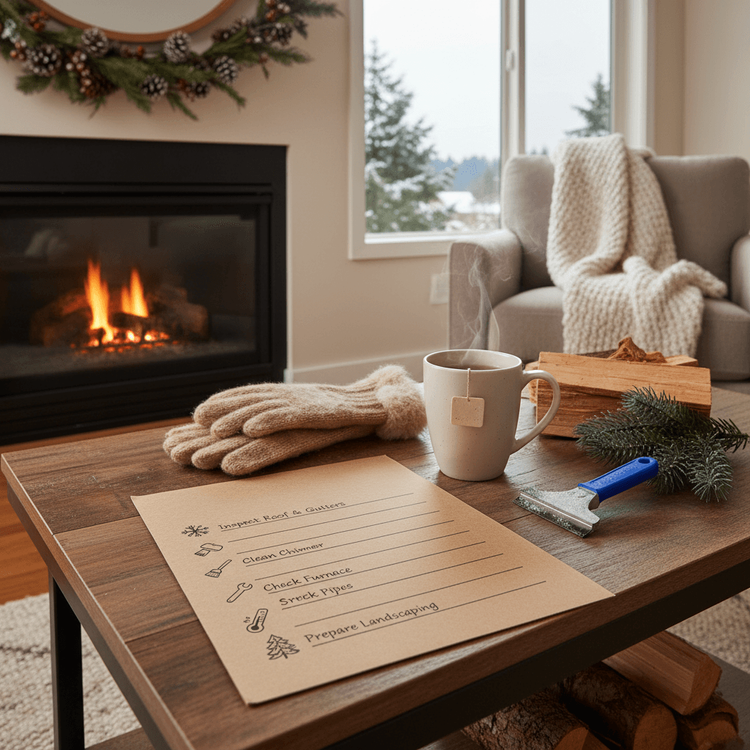
Spring: Inspect for winter damage, clean gutters and downspouts, test sump pump operation, check exterior grading.
Summer: Address any identified issues during dry weather, seal minor cracks, improve ventilation.
Fall: Clean gutters again, extend downspouts if necessary, ensure proper drainage before rainy season.
Winter: Monitor basement humidity levels, check for ice dam formation, maintain adequate heating.
Ongoing Monitoring
Monthly Checks: Test sump pump operation, monitor humidity levels, inspect visible areas for new moisture signs.
Annual Professional Inspection: Have waterproofing systems professionally inspected annually to identify potential issues before they become problems.
Documentation: Keep records of maintenance activities, system performance, and any issues for warranty purposes.
Early Intervention Strategies
Address small problems immediately before they require expensive repairs. Minor crack sealing, improved drainage, or ventilation adjustments can prevent major waterproofing failures.
Conclusion
Protecting your Seattle-area home from water damage requires understanding the unique challenges our climate and geography present. From the clay soils of Redmond to the sloped lots of Issaquah, each neighborhood faces specific risks that professional waterproofing services address most effectively.
Whether you're dealing with minor seepage or major infiltration, the investment in proper basement waterproofing Seattle solutions pays dividends through protected property values, improved indoor air quality, and peace of mind during those long Pacific Northwest rainy seasons.
Don't wait until minor moisture problems become major disasters. Early intervention through professional assessment and quality waterproofing systems protects your family's health, preserves your home's structural integrity, and maintains your property's value for years to come.
Ready to protect your home with professional waterproofing services? Contact Stanis LLC Handyman & General Contractor today for expert basement waterproofing solutions throughout the Seattle area. Our experienced team serves Redmond, Bellevue, Sammamish, Issaquah, Renton, Maple Valley, and surrounding communities with comprehensive moisture protection solutions tailored to your specific needs.
Email us at contact@handymanst.com or call to schedule your comprehensive basement waterproofing assessment. Don't let Seattle's wet weather compromise your home's safety and value – take action today with trusted local professionals.