Seattle homeowners face unique challenges when it comes to managing energy costs throughout the year. Between the region's cool, damp winters and increasingly warm summers, utility bills can quickly spiral out of control without proper home energy efficiency measures in place. The good news? Strategic energy efficiency upgrades can dramatically reduce your monthly expenses while improving comfort and increasing your property value.
From the tech corridors of Redmond and Bellevue to the family neighborhoods of Sammamish and Issaquah, Pacific Northwest homeowners are discovering that smart energy investments pay dividends for years to come. Whether you're dealing with drafty windows, inadequate insulation, or an aging HVAC system, the right improvements can cut your energy consumption by 20-40% annually.
This comprehensive guide explores the most effective energy efficiency upgrades specifically tailored for Seattle-area homes, helping you prioritize investments that deliver maximum returns while enhancing your living environment.
Understanding Seattle's Climate and Energy Challenges
The Pacific Northwest's marine climate creates specific energy efficiency challenges that differ from other regions. Seattle's average of 152 rainy days per year, combined with temperature fluctuations between seasons, puts unique demands on home heating and cooling systems.
During winter months, homes lose substantial heat through inadequate insulation, air leaks, and inefficient windows. The region's high humidity levels can also create moisture problems that compromise insulation effectiveness and indoor air quality. Meanwhile, recent summers have brought unprecedented heat waves, highlighting the importance of cooling efficiency and proper ventilation.
Key factors affecting Seattle home energy consumption:
- Extended heating season (October through May)
- High humidity requiring proper ventilation
- Significant temperature variations between day and night
- Increasing cooling demands during summer months
- Regional utility rates that reward efficiency improvements
Understanding these regional characteristics helps prioritize which energy efficiency upgrades will deliver the greatest impact for your specific situation and budget.
Insulation and Air Sealing: The Foundation of Energy Savings
Proper insulation combined with comprehensive air sealing forms the cornerstone of any effective energy efficiency strategy. In Seattle-area homes, inadequate insulation can account for 25-35% of total energy loss, making this upgrade one of the highest-return investments available.
Attic Insulation Improvements
Most homes in Redmond, Bellevue, and surrounding areas require R-38 to R-49 attic insulation for optimal performance. Here's how to evaluate and improve your attic insulation:
- Assessment: Measure existing insulation depth and identify material type
- Air sealing: Seal gaps around light fixtures, plumbing penetrations, and attic hatches using caulk or expanding foam
- Insulation installation: Add blown-in cellulose or fiberglass to achieve recommended R-values
- Ventilation check: Ensure proper soffit and ridge ventilation to prevent moisture buildup
Basement and Crawl Space Solutions
Many Seattle homes feature basements or crawl spaces that require specialized insulation approaches:
- Rim joist insulation: Seal and insulate the perimeter where floor joists meet foundation walls
- Crawl space encapsulation: Install vapor barriers and insulate crawl space walls rather than floors
- Basement wall insulation: Add rigid foam or batt insulation to foundation walls
Cost Considerations: Professional attic insulation typically costs $2,500-$4,500 for average-sized homes, with payback periods of 3-5 years through energy savings. DIY approaches can reduce costs by 40-50% but require proper safety equipment and techniques.
Window and Door Upgrades for Maximum Impact
Windows and doors represent significant opportunities for energy efficiency improvements, particularly in older Seattle-area homes. Single-pane windows can lose up to 10 times more heat than properly insulated walls, making upgrades especially valuable.
Window Replacement Options
Modern energy-efficient windows offer substantial improvements over older units:
- Double or triple-pane glass: Provides superior insulation and noise reduction
- Low-E coatings: Reflect heat while allowing natural light penetration
- Gas fills: Argon or krypton gas between panes enhances insulation properties
- Improved frames: Vinyl, fiberglass, or wood-clad options minimize thermal bridging
Door Weatherproofing and Replacement
Entry doors often develop air leaks over time, creating drafts and energy loss:
- Weatherstripping replacement: Install new door sweeps and perimeter sealing
- Storm door addition: Adds extra insulation layer and protects main door
- Complete door replacement: Energy Star certified doors with proper installation
Professional vs. DIY Considerations
While weatherstripping and minor repairs suit DIY approaches, window and door replacements typically require professional installation to ensure proper sealing, structural integrity, and warranty protection. Improper installation can negate efficiency benefits and create moisture problems.
Expected savings: Quality window replacements can reduce heating and cooling costs by 15-25%, with complete payback typically occurring within 8-12 years.
Smart HVAC Solutions for Year-Round Comfort
Heating and cooling systems account for approximately 50% of total home energy consumption, making HVAC efficiency improvements among the most impactful upgrades available. Seattle's climate demands systems capable of efficient heating during extended cool seasons while providing adequate cooling during increasingly warm summers.
High-Efficiency Heat Pump Systems
Modern heat pumps offer exceptional efficiency for Pacific Northwest climates:
- Ductless mini-splits: Provide zoned heating and cooling with minimal energy loss
- Central heat pump systems: Replace traditional furnaces with efficient electric heating
- Hybrid systems: Combine heat pumps with backup heating for extreme weather
Smart Thermostat Integration
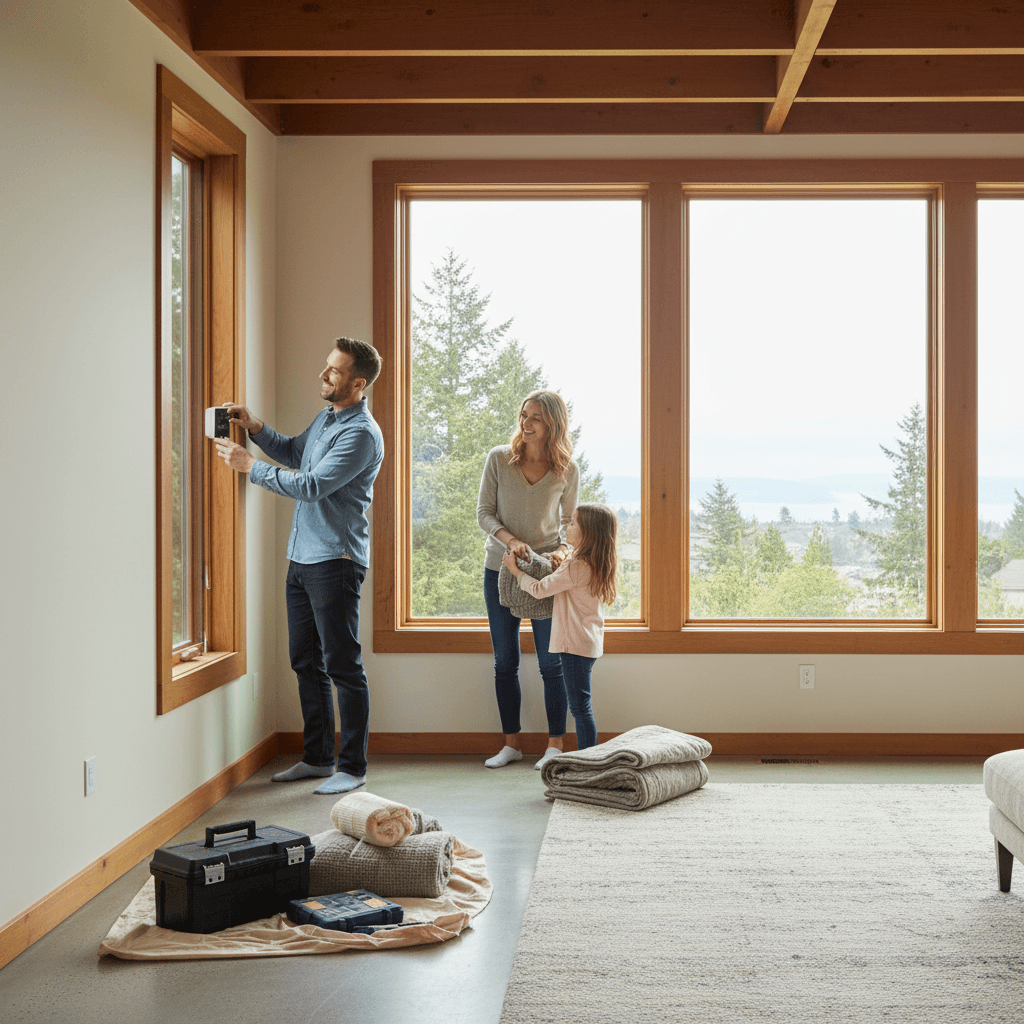
Programmable and smart thermostats optimize HVAC operation automatically:
- Installation process: Replace existing thermostat following manufacturer wiring diagrams
- Programming setup: Configure schedules matching occupancy patterns
- Remote monitoring: Use smartphone apps to adjust settings and track energy usage
- Learning features: Advanced models adapt to preferences and occupancy automatically
Ductwork Improvements
Leaky or inadequately insulated ductwork can waste 20-30% of conditioned air:
- Duct sealing: Use mastic sealant or metal tape to eliminate air leaks
- Insulation upgrades: Wrap ducts in unconditioned spaces with appropriate insulation
- Design optimization: Reroute or resize ducts for improved airflow and efficiency
Maintenance and Tune-ups
Regular HVAC maintenance ensures optimal efficiency and extends equipment lifespan:
- Quarterly filter replacements
- Annual professional inspections and cleaning
- Prompt repair of identified issues
Professional HVAC upgrades typically range from $3,000-$15,000 depending on system size and complexity, with energy savings of 20-40% justifying investments through reduced utility bills.
Water Heating Efficiency Improvements
Water heating represents the second-largest energy expense for most Seattle-area households, accounting for 15-20% of total utility costs. Strategic upgrades can significantly reduce this consumption while improving hot water availability and reliability.
High-Efficiency Water Heater Options
Several technologies offer superior efficiency compared to conventional storage water heaters:
Tankless Water Heaters
- Heat water on-demand, eliminating standby losses
- Provide endless hot water supply
- Require adequate gas supply or electrical capacity
- Best suited for homes with consistent usage patterns
Heat Pump Water Heaters
- Extract heat from ambient air to warm water
- Use 60-70% less energy than conventional electric units
- Work effectively in Seattle's moderate climate
- Require adequate surrounding air space for optimal operation
Solar Water Heating Systems
- Utilize roof-mounted collectors to pre-heat water
- Reduce water heating costs by 50-80% during sunny months
- Require backup systems for cloudy periods
- Best orientation faces south with minimal shading
Water Heater Optimization Steps
For existing units, several improvements enhance efficiency without full replacement:
- Insulation blankets: Wrap older water heaters with insulating jackets
- Pipe insulation: Insulate hot water lines to reduce heat loss during distribution
- Temperature adjustment: Lower thermostat settings to 120°F for optimal efficiency and safety
- Low-flow fixtures: Install efficient showerheads and faucet aerators
Cost-Benefit Analysis
Water heater upgrades range from $1,500-$8,000 depending on technology and installation complexity. Tankless and heat pump units typically pay for themselves within 6-10 years through energy savings, while solar systems may require 10-15 years for complete payback.
Weatherproofing Services and Exterior Improvements
Seattle's wet climate makes comprehensive weatherproofing essential for energy efficiency and structural protection. Proper exterior sealing prevents air infiltration while protecting against moisture damage that can compromise insulation and indoor air quality.
Comprehensive Air Sealing Strategy
Effective air sealing requires systematic identification and treatment of all penetration points:
Common Air Leak Locations:
- Window and door frames
- Electrical outlets and switch plates
- Plumbing and electrical penetrations
- Attic hatches and pulldown stairs
- Fireplace dampers and chimney connections
- Foundation sill plates and rim joists
Sealing Materials and Techniques:
- Caulking: Use appropriate caulk types for different materials and exposure conditions
- Weatherstripping: Install compression or magnetic strips around moving components
- Expanding foam: Fill larger gaps in hidden areas like rim joists and utility penetrations
- Gaskets and covers: Add insulated covers for outlets and switches on exterior walls
Exterior Envelope Improvements
The building envelope serves as the primary barrier against weather and energy loss:
Siding and Trim Maintenance
- Seal gaps and cracks in siding joints
- Caulk around windows, doors, and trim pieces
- Repair or replace damaged siding sections
- Apply appropriate exterior sealants annually
Roof and Gutter Systems
- Maintain proper attic ventilation to prevent ice dams
- Ensure gutters direct water away from foundation
- Repair roof leaks promptly to protect insulation
- Consider cool roofing materials for summer efficiency
Foundation Sealing
- Seal cracks in foundation walls and basement windows
- Install proper drainage around foundation perimeter
- Address moisture issues that compromise insulation effectiveness
Professional weatherproofing services typically cost $1,500-$4,000 for comprehensive treatment, delivering 10-20% energy savings with payback periods of 4-7 years.
Smart Home Technology for Energy Management
Modern smart home technology offers unprecedented control over energy consumption, allowing Seattle homeowners to optimize usage patterns and identify efficiency opportunities automatically. These systems provide real-time feedback and automated adjustments that maximize savings without sacrificing comfort.
Smart Energy Monitoring Systems
Whole-home energy monitors provide detailed consumption data:
- Track usage by individual circuits or appliances
- Identify energy vampires and inefficient equipment
- Monitor solar production and battery storage systems
- Generate reports showing peak usage periods and optimization opportunities
Automated Lighting Solutions
LED lighting combined with smart controls dramatically reduces electricity consumption:
- LED bulb replacement: Install ENERGY STAR certified LEDs throughout the home
- Smart switches and dimmers: Program lighting schedules based on occupancy and natural light levels
- Motion sensors: Automatically control lights in less-frequently used areas
- Daylight harvesting: Adjust artificial lighting based on available natural light
Advanced HVAC Controls
Smart HVAC integration goes beyond basic programmable thermostats:
- Zoned climate control: Heat and cool only occupied areas
- Occupancy sensing: Adjust temperatures based on room usage
- Weather integration: Optimize settings based on local weather forecasts
- Utility rate optimization: Shift energy usage to lower-rate periods when possible
Smart Water Management
Water heating and usage optimization through intelligent controls:
- Smart water heater controllers: Heat water during off-peak rate periods
- Leak detection systems: Prevent water waste and damage
- Smart irrigation controllers: Optimize outdoor water usage based on weather and soil conditions
Smart home technology investments typically range from $500-$5,000 depending on system complexity, with energy savings of 10-25% supporting payback periods of 3-6 years.
Cost Analysis and Return on Investment
Understanding the financial implications of various energy efficiency upgrades helps Seattle-area homeowners prioritize investments for maximum benefit. Different improvements offer varying payback periods, upfront costs, and long-term value propositions.
High-Impact, Low-Cost Improvements (Payback: 1-3 years)
- Air sealing and weatherstripping: $300-$800
- LED lighting conversion: $200-$600
- Smart thermostat installation: $150-$400
- Water heater insulation and pipe wrapping: $100-$300
Medium-Cost Upgrades (Payback: 3-7 years)
- Attic insulation improvements: $1,500-$3,500
- HVAC maintenance and tune-ups: $500-$1,200
- Smart home energy management systems: $800-$2,500
- Comprehensive weatherproofing services: $1,200-$3,000
Major System Replacements (Payback: 7-15 years)
- High-efficiency HVAC systems: $5,000-$15,000
- Energy-efficient window replacement: $8,000-$20,000
- Solar water heating systems: $6,000-$12,000
- Whole-home insulation upgrades: $4,000-$8,000
Additional Value Considerations
Beyond direct energy savings, efficiency improvements provide additional benefits:
- Increased home value: Energy-efficient homes command premium sale prices
- Enhanced comfort: Better temperature control and reduced drafts
- Improved air quality: Proper ventilation and moisture control
- Utility rebates and tax credits: Federal and local incentives offset upfront costs
- Reduced maintenance: Modern efficient equipment typically requires less upkeep
Financing Options
Several financing mechanisms make energy efficiency upgrades more accessible:
- Utility rebate programs: Puget Sound Energy and Seattle City Light offer various incentives
- Federal tax credits: Available for qualifying renewable energy and efficiency improvements
- Home equity loans: Leverage existing home equity for major upgrades
- PACE financing: Property Assessed Clean Energy programs in some areas
Professional energy audits costing $300-$600 can identify the most cost-effective improvements for your specific home, ensuring optimal return on investment.
Conclusion: Start Your Energy Efficiency Journey Today
Implementing strategic energy efficiency upgrades represents one of the smartest investments Seattle-area homeowners can make. From simple weatherstripping projects in Renton and Maple Valley to comprehensive system upgrades throughout the Eastside, these improvements deliver immediate comfort benefits while providing long-term financial returns.
The key to success lies in taking a systematic approach, starting with high-impact, low-cost improvements before progressing to major system upgrades. Professional guidance ensures proper installation and maximum benefit from your investments, while avoiding costly mistakes that can compromise efficiency and durability.
Whether you're ready to tackle DIY weatherproofing projects or planning major HVAC system replacements, the experienced team at Stanis LLC Handyman & General Contractor can help evaluate your options and execute improvements that deliver lasting value. From energy audits and insulation upgrades to smart home integration and comprehensive weatherproofing services, we provide the expertise needed to transform your home into an efficient, comfortable living environment.
Ready to start reducing your energy bills while improving home comfort? Contact Stanis LLC today at contact@handymanst.com to schedule a comprehensive energy efficiency consultation. Our experienced professionals serve homeowners throughout Seattle, Redmond, Bellevue, Sammamish, Issaquah, Renton, and Maple Valley, helping families achieve significant energy savings through proven upgrade strategies tailored to Pacific Northwest conditions.