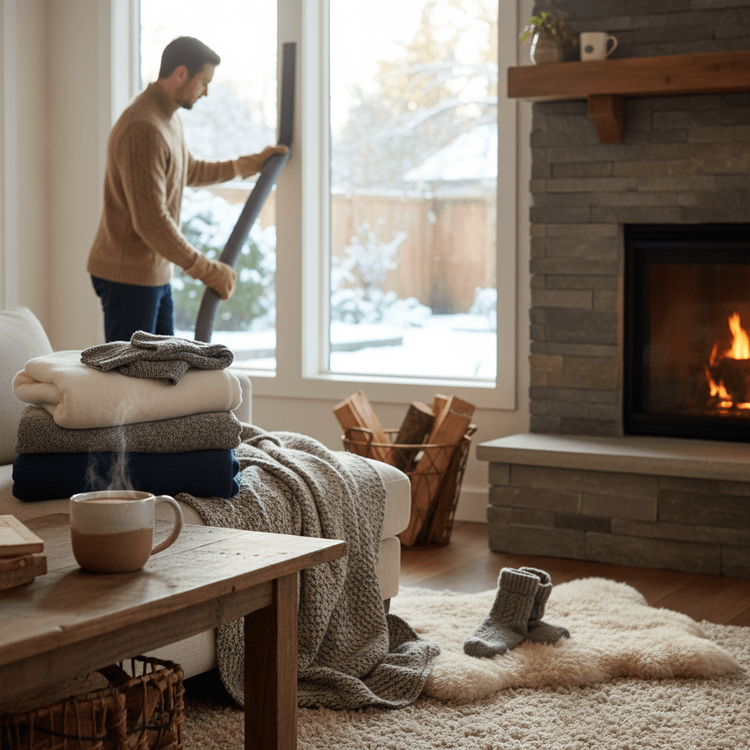

Living in the Pacific Northwest means dealing with cool, damp winters and the constant challenge of keeping your home comfortable while managing energy costs. For Seattle area homeowners, proper insulation isn't just about comfort—it's about creating an energy-efficient home that saves money year-round while reducing your environmental footprint. Whether you're dealing with drafty rooms, high heating bills, or uneven temperatures throughout your house, a strategic insulation upgrade can transform your living space.
The Seattle climate presents unique challenges for homeowners. With average winter temperatures hovering in the 40s and frequent rainfall, homes need robust insulation systems to maintain comfortable indoor environments efficiently. Poor insulation doesn't just mean higher utility bills; it can lead to moisture problems, uncomfortable living conditions, and even structural issues over time.
Understanding Seattle's Unique Insulation Needs
Seattle's maritime climate creates specific requirements for home insulation that differ from other regions. The combination of moderate temperatures, high humidity, and frequent precipitation means your insulation system must not only provide thermal resistance but also manage moisture effectively.
The region's energy costs make insulation upgrades particularly valuable. With electricity rates among the higher in the nation and increasing focus on energy efficiency, proper insulation can significantly impact your monthly utility expenses. Many Seattle homeowners see 15-30% reductions in heating costs after comprehensive insulation improvements.
Local building codes in King County have evolved to reflect these climate challenges. Understanding current requirements helps ensure your insulation upgrade meets both performance and compliance standards. Whether you're in Redmond's newer developments, Bellevue's established neighborhoods, or Sammamish's hillside homes, proper insulation installation requires attention to local building standards and climate considerations.
The seasonal temperature variations, while moderate compared to other regions, still create enough differential to make quality insulation essential. Summer cooling costs can also be reduced significantly with proper insulation, making upgrades valuable investments for year-round comfort and efficiency.
Types of Home Insulation Best for Pacific Northwest Homes
Selecting the right insulation material for your Seattle area home depends on several factors including application area, budget, existing construction, and performance goals. Each insulation type offers distinct advantages for different situations.
Fiberglass Batt Insulation remains popular for its cost-effectiveness and ease of installation. This traditional option works well in standard wall cavities and attic spaces, particularly in newer construction with consistent framing. However, proper installation is crucial—gaps and compression can significantly reduce performance.
Blown-in Cellulose excels in irregular spaces and provides excellent air sealing properties. Made from recycled paper products treated with fire retardants, cellulose offers good moisture management characteristics important in Seattle's climate. It's particularly effective for attic insulation upgrades and wall cavity fill applications.
Spray Foam Insulation provides superior air sealing and moisture barrier properties, making it excellent for basement applications and areas prone to air leaks. While more expensive initially, spray foam's combined insulation and air barrier properties often justify the investment, especially in older homes with significant air leakage issues.
Rigid Foam Boards work exceptionally well for exterior applications and basement walls. These provide continuous insulation that helps eliminate thermal bridging—a common problem in Seattle homes that can create cold spots and condensation issues.
For crawl space applications common in Pacific Northwest homes, encapsulation systems combining rigid foam, vapor barriers, and controlled ventilation create optimal conditions for both energy efficiency and moisture management.
Attic Insulation: Your Home's First Line of Defense
The attic represents the most critical area for insulation upgrades in most homes. Heat rises naturally, making the attic boundary the primary location for energy loss during heating season. Seattle homes typically benefit from attic insulation levels of R-49 to R-60, significantly higher than what's found in many existing homes.
Assessment and Preparation Steps:
Start by measuring existing insulation depth and identifying the material type. Many Seattle area homes built before 1980 have inadequate insulation levels. Check for air leaks around penetrations, light fixtures, and attic access points. These gaps can undermine insulation performance significantly.
Safety preparation includes ensuring adequate lighting, stable walkways across joists, and appropriate protective equipment. Attic spaces can contain hazards including exposed electrical wiring, sharp objects, and potentially harmful materials in older homes.
Installation Process:
Begin by sealing air leaks with appropriate materials—caulk for small gaps, expanding foam for larger openings, and rigid materials for major penetrations. This air sealing step is crucial and often overlooked, but it can be as important as the insulation itself.
For blown-in applications, rent professional equipment or hire experienced contractors. Achieving uniform coverage and proper density requires skill and proper equipment. Target depths should account for settling—typically 12-16 inches for cellulose to achieve R-49 values.
Batt installation requires careful attention to fit and coverage. Cut batts to fit snugly without compression, and ensure complete coverage without gaps. In irregularly spaced joists common in older homes, blown-in materials often provide better coverage.
Cost Considerations:
DIY attic insulation projects typically cost $1.50-$3.50 per square foot for materials, while professional installation ranges from $3.50-$7.00 per square foot depending on access difficulty and material choice. For a typical 1,500 square foot attic space, expect total project costs between $2,250-$10,500.
Wall Insulation Strategies for Existing Homes
Wall insulation upgrades in existing homes present unique challenges, especially in Seattle's older housing stock. Many homes built before 1970 have minimal or no wall insulation, creating opportunities for significant energy improvements.
Assessment Techniques:
Determine existing wall insulation levels using non-destructive methods when possible. Electrical outlet inspection, thermal imaging, and small exploratory holes can reveal insulation status without major disruption. Many Bellevue and Redmond homes from the 1960s-70s have partial wall insulation that can be supplemented.
Blown-in Wall Insulation:
This method involves drilling small holes in exterior walls and filling cavities with loose-fill insulation. Professional contractors use specialized equipment to ensure proper density and coverage. The process typically takes 1-2 days for whole-house applications and provides excellent results with minimal interior disruption.
Hole placement requires skill to avoid utilities and structural elements. Professional installation includes patching and touch-up painting, leaving minimal evidence of the upgrade process.
Exterior Insulation Approaches:
When residing your home, consider adding exterior rigid foam insulation. This approach eliminates thermal bridging and can significantly improve wall performance. Coordination with siding, window, and trim details requires careful planning but provides excellent long-term performance.
Interior Solutions:
Adding interior wall insulation during remodeling projects allows access for high-performance materials including spray foam. Consider this approach when updating kitchens, bathrooms, or other interior spaces.
Basement and Crawl Space Insulation Solutions
Seattle area homes commonly feature basements or crawl spaces that significantly impact overall energy performance. These below-grade spaces present unique moisture management challenges requiring specialized approaches.
Basement Insulation Methods:
Insulating basement walls from the interior provides the most practical approach for existing homes. Rigid foam applied directly to foundation walls, followed by framing and finish materials, creates effective thermal barriers. Ensure proper vapor barrier installation to prevent moisture problems.
Avoid insulating basement ceilings unless the basement remains unconditioned. Insulating between floor joists can create moisture problems and reduces the basement's contribution to overall house heating.
Crawl Space Strategies:
Transform vented crawl spaces into conditioned spaces through encapsulation. This involves sealing vents, installing vapor barriers on the ground and walls, and adding insulation to create controlled environments.
Steps include:
- Seal exterior vents permanently
- Install 6-mil or thicker vapor barriers on soil surfaces
- Insulate perimeter walls with rigid foam or batt insulation
- Address any drainage or moisture source issues
- Provide controlled ventilation or conditioning as needed
Moisture Management:
All below-grade insulation projects must address moisture concerns. Install appropriate vapor barriers, ensure proper drainage around foundations, and consider dehumidification systems. Seattle's climate makes moisture management particularly critical for long-term performance.
DIY vs. Professional Installation: Making the Right Choice
Determining whether to tackle insulation upgrades yourself or hire professionals depends on project complexity, safety considerations, available time, and skill level. Understanding these factors helps make informed decisions that ensure quality results.
Suitable DIY Projects:
Attic batt insulation installation over existing materials represents a manageable DIY project for many homeowners. The work area is accessible, materials are straightforward to handle, and mistakes are easily corrected. Simple basement wall insulation using rigid foam boards also falls within DIY capabilities for experienced homeowners.
Projects Requiring Professional Expertise:
Blown-in wall insulation requires specialized equipment and experience to achieve proper density and coverage. Spray foam applications demand professional installation due to equipment requirements and health considerations during application. Whole-house projects involving multiple insulation types benefit from professional coordination and expertise.
Complex crawl space encapsulation projects often involve electrical, plumbing, and structural considerations best handled by experienced contractors. Safety concerns in tight spaces and the need for comprehensive moisture management make professional installation worthwhile.
Cost-Benefit Analysis:
Professional installation typically costs 2-3 times material costs but includes labor, equipment, expertise, and often warranties. DIY savings must be weighed against time investment, tool rental costs, and the risk of suboptimal performance from improper installation.
Consider professional consultation even for DIY projects. Many contractors offer assessment and planning services that can improve DIY project outcomes while keeping labor costs manageable.
Cost Analysis and Return on Investment
Understanding the financial aspects of insulation upgrades helps prioritize projects and set realistic expectations for energy savings and comfort improvements. Seattle area utility costs and climate conditions create favorable conditions for insulation investment returns.
Project Cost Ranges:
Attic insulation upgrades typically cost $2,000-$8,000 for complete homes, depending on size and material choice. Wall insulation projects range from $3,000-$12,000 for blown-in applications. Basement and crawl space projects vary widely based on existing conditions but commonly cost $3,000-$10,000 for comprehensive approaches.
Energy Savings Projections:
Well-executed insulation upgrades in Seattle homes typically reduce heating costs by 15-30%. For homes with average annual heating costs of $1,200-$1,800, this translates to $180-$540 in annual savings. Cooling cost reductions add additional value during summer months.
Payback periods typically range from 5-12 years depending on project scope and existing insulation levels. Homes with minimal existing insulation see faster payback periods and greater comfort improvements.
Financing and Incentive Programs:
Puget Sound Energy and other local utilities offer rebates for qualifying insulation upgrades. Washington state energy efficiency programs provide additional incentives for comprehensive improvements. These programs can reduce net project costs by 10-30% in many cases.
Federal tax credits for energy-efficient improvements may apply to certain insulation materials and comprehensive upgrade projects. Consult with tax professionals to understand current opportunities.
Conclusion
Upgrading your home's insulation represents one of the most effective investments in energy efficiency, comfort, and long-term value for Seattle area homeowners. Whether you're dealing with high energy bills in your Issaquah home, uncomfortable rooms in your Renton house, or preparing for a major renovation in Maple Valley, proper insulation upgrades provide immediate and lasting benefits.
The Pacific Northwest climate demands thoughtful approaches to insulation that address both thermal performance and moisture management. From attic improvements that provide immediate energy savings to comprehensive crawl space encapsulation that transforms your home's efficiency, the right insulation strategy can dramatically improve your living environment while reducing environmental impact.
Success depends on proper assessment, appropriate material selection, and quality installation. Whether you choose DIY approaches for simpler projects or professional installation for complex upgrades, attention to detail and understanding of local climate conditions ensures optimal results.
Ready to transform your home's energy efficiency and comfort with professional insulation upgrades? Contact Stanis LLC Handyman & General Contractor for expert assessment and installation services throughout the Seattle area. Our experienced team understands Pacific Northwest homes and climate requirements, ensuring your insulation upgrade delivers maximum performance and value. Email us at contact@handymanst.com to schedule your consultation and start enjoying a more comfortable, energy-efficient home today.