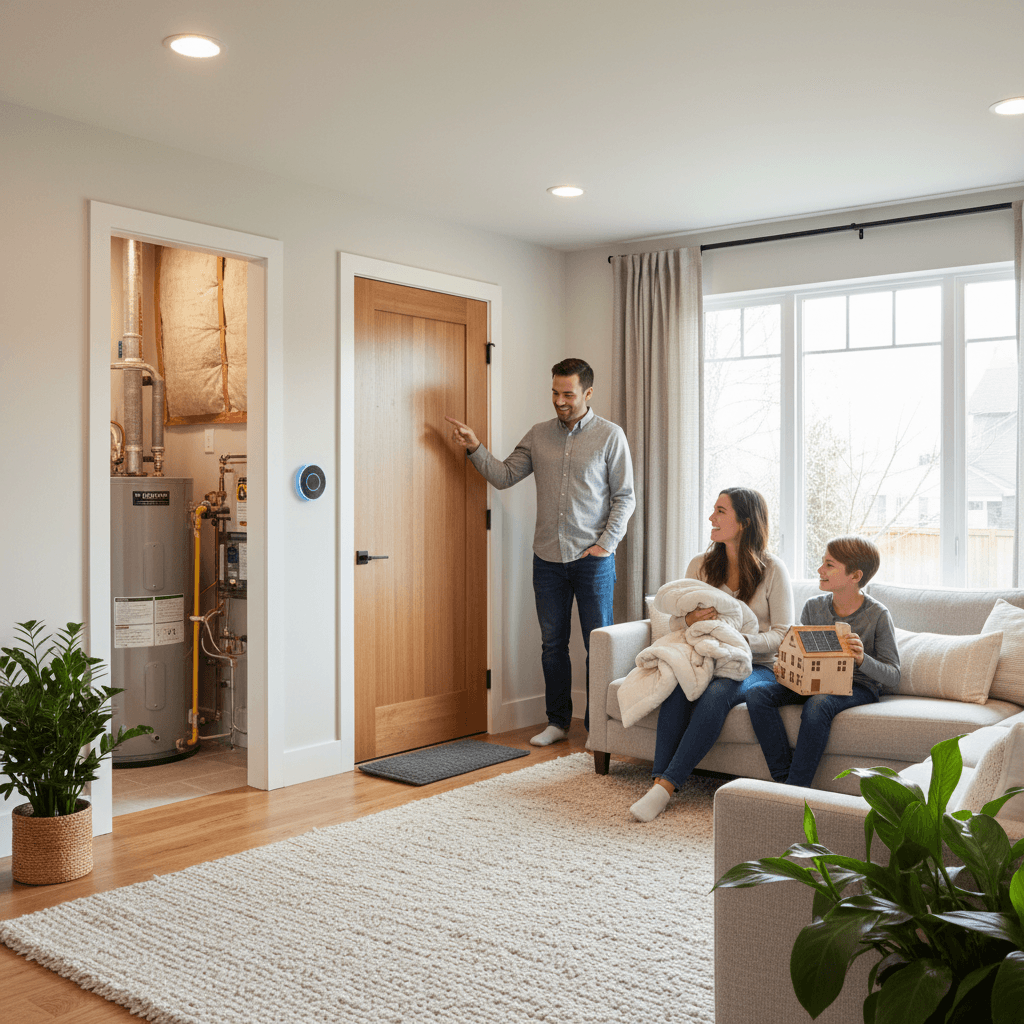
Seattle homeowners face unique challenges when it comes to managing energy costs. Between the Pacific Northwest's damp climate, fluctuating energy prices, and the region's commitment to environmental sustainability, investing in home energy efficiency Seattle improvements has never been more crucial. Whether you're dealing with drafty windows in your Bellevue home or inadequate insulation in your Redmond property, the right energy-saving upgrades can significantly reduce your utility bills while increasing your home's comfort and value.
The good news? Many energy efficiency improvements offer substantial returns on investment, with some upgrades paying for themselves within just a few years. From simple weatherstripping installations to comprehensive weatherization projects, Seattle-area homeowners have numerous opportunities to enhance their homes' energy performance while contributing to the region's green initiatives.
Understanding Seattle's Climate and Energy Challenges
Seattle's marine climate presents specific energy efficiency considerations that differ from other regions. The area's mild but wet winters, combined with surprisingly warm summers, means homes need to be prepared for both heating and cooling demands. Additionally, the high humidity levels can create moisture issues that impact both comfort and energy efficiency.
Local utility companies like Seattle City Light and Puget Sound Energy have recognized these challenges by offering various rebate programs for energy efficiency improvements. These incentives make energy saving upgrades more affordable for homeowners throughout King County, including communities like Sammamish, Issaquah, and Renton.
The average Seattle household spends approximately $1,200-$1,800 annually on energy costs. However, homes with poor energy efficiency can see bills 30-50% higher than this average. This makes strategic energy improvements not just environmentally responsible, but financially smart investments for long-term homeownership.
Essential Insulation Upgrades for Maximum Impact
Proper insulation forms the foundation of any energy-efficient home, and many Seattle-area properties built before 1980 have inadequate insulation by today's standards. Upgrading insulation in key areas can reduce heating and cooling costs by 15-30% annually.
Attic Insulation: The most cost-effective insulation upgrade for most homes. Seattle homes should have R-49 to R-60 insulation in attics. Many older homes have only R-19 or less. Adding blown-in cellulose or fiberglass insulation typically costs $2-4 per square foot installed and can save $200-400 annually on energy bills.
Wall Insulation: For homes with uninsulated walls, blown-in insulation can be added without major renovation. This process involves drilling small holes in exterior walls and filling cavities with insulation material. While more expensive than attic insulation at $3-6 per square foot, wall insulation provides significant comfort improvements and energy savings.
Basement and Crawl Space Insulation: Seattle's damp climate makes proper basement and crawl space insulation crucial for both energy efficiency and moisture control. Rigid foam board insulation on basement walls and proper vapor barriers in crawl spaces prevent heat loss and moisture issues.
DIY vs. Professional Considerations: While some insulation projects can be DIY-friendly, proper installation is crucial for effectiveness. Gaps, compression, and moisture barriers require expertise to ensure maximum performance and avoid costly problems down the road.
Comprehensive Weatherization for Seattle Homes
Weatherization Seattle homes encompasses a range of improvements that seal air leaks and optimize building envelope performance. Professional energy audits can identify specific problem areas, but many common weatherization projects provide excellent returns on investment.
Air Sealing: The average home has air leaks equivalent to a 2-foot by 2-foot window being open constantly. Common leak locations include:
- Around windows and doors
- Electrical outlets and switch plates
- Plumbing and electrical penetrations
- Attic access points
- Basement rim joists
Professional air sealing typically costs $1,500-3,000 for a typical Seattle home but can reduce energy bills by 10-20% annually. DIY air sealing using caulk, weatherstripping, and foam sealants can address many smaller leaks for under $200.
Window Upgrades: Seattle's mild climate makes window replacement less critical than in extreme climates, but strategic upgrades can still provide value. Focus on:
- Single-pane windows facing north or exposed to prevailing winds
- Windows with damaged frames or poor sealing
- Large south-facing windows that could benefit from low-E coatings
Double-pane, low-E windows cost $300-800 per window installed but can reduce energy loss by 25-50% compared to single-pane windows.
Door Weatherization: Entry doors account for significant heat loss. Installing quality weatherstripping, door sweeps, and storm doors creates an effective barrier against Seattle's wet weather while improving energy efficiency.
HVAC System Optimization and Upgrades
Heating and cooling systems typically account for 40-60% of home energy use, making HVAC optimization crucial for energy efficiency. Seattle's climate allows for several unique approaches to heating and cooling efficiency.
Heat Pump Installation: Air-source heat pumps work exceptionally well in Seattle's mild climate, providing both heating and cooling efficiently. Modern cold-climate heat pumps can operate effectively even during Seattle's occasional cold snaps. Installation costs range from $4,000-8,000, with potential energy savings of 30-50% compared to electric resistance heating.
Ductwork Sealing and Insulation: Many Seattle homes have ductwork in unconditioned crawl spaces or basements. Sealing duct leaks and adding insulation can improve system efficiency by 20-30%. Professional duct sealing costs $1,500-2,500, while DIY approaches using mastic sealant and duct wrap can cost under $500.
Smart Thermostat Installation: Programmable and smart thermostats optimize heating and cooling schedules based on occupancy and weather conditions. Quality units cost $200-400 installed and can reduce energy use by 8-15% through better temperature management.
Regular Maintenance: Simple maintenance tasks like changing filters monthly, cleaning vents, and annual professional tune-ups ensure optimal system performance and extend equipment life.
Water Heating Efficiency Improvements
Water heating accounts for 15-20% of home energy use, making it an important target for efficiency improvements. Seattle homeowners have several options for reducing water heating costs while maintaining comfort.
Heat Pump Water Heaters: These units use ambient air heat to warm water, using 60-70% less energy than conventional electric water heaters. While initial costs are higher ($2,000-4,000 installed), they qualify for substantial utility rebates and can save $300-500 annually.
Tankless Water Heaters: On-demand water heaters eliminate standby losses and can reduce water heating energy use by 20-30%. Gas tankless units work particularly well for larger families, while electric units suit smaller households.
Water Heater Insulation and Pipe Wrapping: Simple upgrades like water heater blankets ($20-40) and pipe insulation ($50-100) can reduce standby losses by 10-15%. These DIY-friendly improvements typically pay for themselves within one year.
Low-Flow Fixtures: Installing low-flow showerheads and faucet aerators reduces hot water consumption without sacrificing performance. Quality fixtures cost $20-80 each and can reduce water heating costs by 15-25%.
Smart Home Technology for Energy Monitoring
Modern technology offers Seattle homeowners unprecedented control over energy consumption through monitoring and automation systems. These tools help identify energy waste and optimize consumption patterns.
Whole-Home Energy Monitoring: Systems like Sense or Emporia Vue provide real-time energy usage data, helping identify energy-wasting appliances and usage patterns. Installation costs $200-400, and the insights gained often lead to 5-10% energy reductions through behavioral changes.
Smart Power Strips: Advanced power strips eliminate phantom loads from electronics in standby mode. Quality smart strips cost $30-80 each and can reduce electronics energy consumption by 20-30%.
LED Lighting Conversion: While individual savings are smaller than major upgrades, converting to LED lighting reduces electricity use by 75-80% compared to incandescent bulbs. With LED prices now under $5 per bulb, payback periods are typically under two years.
Smart Water Leak Detection: Given Seattle's moisture challenges, smart leak detectors can prevent costly water damage while identifying plumbing inefficiencies. Systems range from $50-300 and provide valuable protection for both property and energy efficiency.
Exterior Improvements and Landscaping for Energy Efficiency
Seattle's unique climate allows for several exterior improvements that enhance energy efficiency while improving curb appeal and property value.
Strategic Landscaping: Properly placed trees can reduce cooling costs by providing shade during summer months while allowing winter sun penetration when leaves fall. Evergreen windbreaks on north and west sides can reduce heating costs by blocking cold winds.
Exterior Insulation and Siding: For homes needing siding replacement, adding exterior insulation provides continuous thermal protection while addressing existing thermal bridges. This approach works particularly well for homes in Maple Valley and other areas with older construction.
Cool Roofing: Light-colored or reflective roofing materials reduce cooling loads during Seattle's increasingly warm summers. While less critical than in hotter climates, cool roofing can still provide 5-10% cooling cost reductions.
Proper Ventilation: Ridge vents, soffit vents, and exhaust fans help manage moisture and temperature in attics and crawl spaces, improving both energy efficiency and building durability.
Cost Analysis and Return on Investment
Understanding the financial implications of energy efficiency improvements helps homeowners prioritize projects for maximum benefit. Here's a breakdown of typical costs and payback periods for common upgrades:
High-Impact, Low-Cost Improvements (1-3 year payback):
- Air sealing and weatherstripping: $200-800
- Water heater insulation: $50-150
- LED lighting conversion: $200-500
- Smart thermostats: $200-400
Medium-Impact, Moderate-Cost Improvements (3-7 year payback):
- Attic insulation upgrades: $1,500-3,000
- Ductwork sealing and insulation: $1,000-2,500
- Heat pump water heater: $2,000-4,000
- Energy-efficient windows (selective replacement): $2,000-8,000
High-Impact, Higher-Cost Improvements (7-15 year payback):
- Heat pump HVAC systems: $8,000-15,000
- Comprehensive wall insulation: $5,000-12,000
- Complete window replacement: $10,000-25,000
- Exterior insulation systems: $15,000-30,000
Many improvements also qualify for federal tax credits, state rebates, and utility incentives that can reduce costs by 20-50%, significantly improving payback periods.
Professional vs. DIY: Making the Right Choice
While some energy efficiency improvements are suitable for DIY installation, others require professional expertise to ensure safety, effectiveness, and warranty compliance. Understanding when to hire professionals helps maximize results while controlling costs.
DIY-Friendly Projects:
- Caulking and weatherstripping
- Installing programmable thermostats
- Adding attic insulation (if accessible)
- LED bulb replacement
- Basic water heater maintenance
Professional Installation Recommended:
- HVAC system installation and major repairs
- Electrical work beyond simple fixture replacement
- Major insulation projects involving wall cavities
- Ductwork modification and sealing
- Complex air sealing requiring specialized equipment
For homeowners in Redmond, Bellevue, and surrounding areas, working with experienced local contractors ensures compliance with local codes and optimal performance in Seattle's specific climate conditions.
Conclusion: Start Your Energy Efficiency Journey Today
Investing in home energy efficiency Seattle improvements offers multiple benefits: reduced utility bills, increased comfort, higher property values, and environmental stewardship. Whether you're starting with simple weatherstripping in your Issaquah home or planning a comprehensive efficiency retrofit in Sammamish, every improvement contributes to long-term savings and sustainability.
The key to success lies in taking a systematic approach, starting with the most cost-effective improvements and building toward comprehensive efficiency upgrades over time. Professional energy audits can help prioritize improvements specific to your home's needs and your budget constraints.
Seattle's commitment to environmental sustainability, combined with available rebates and incentives, makes this an ideal time to invest in energy efficiency improvements. With proper planning and execution, these upgrades will provide benefits for decades while contributing to the region's clean energy goals.
Ready to start reducing your energy bills and improving your home's comfort? Contact Stanis LLC Handyman & General Contractor for professional energy efficiency consultation and installation services throughout the Seattle area. Our experienced team serves Redmond, Bellevue, Sammamish, Issaquah, Renton, Maple Valley, and surrounding communities with comprehensive weatherization Seattle homes services and energy-saving solutions tailored to your specific needs.
Contact us today at contact@handymanst.com to schedule your energy efficiency consultation and take the first step toward a more comfortable, cost-effective, and environmentally responsible home.