
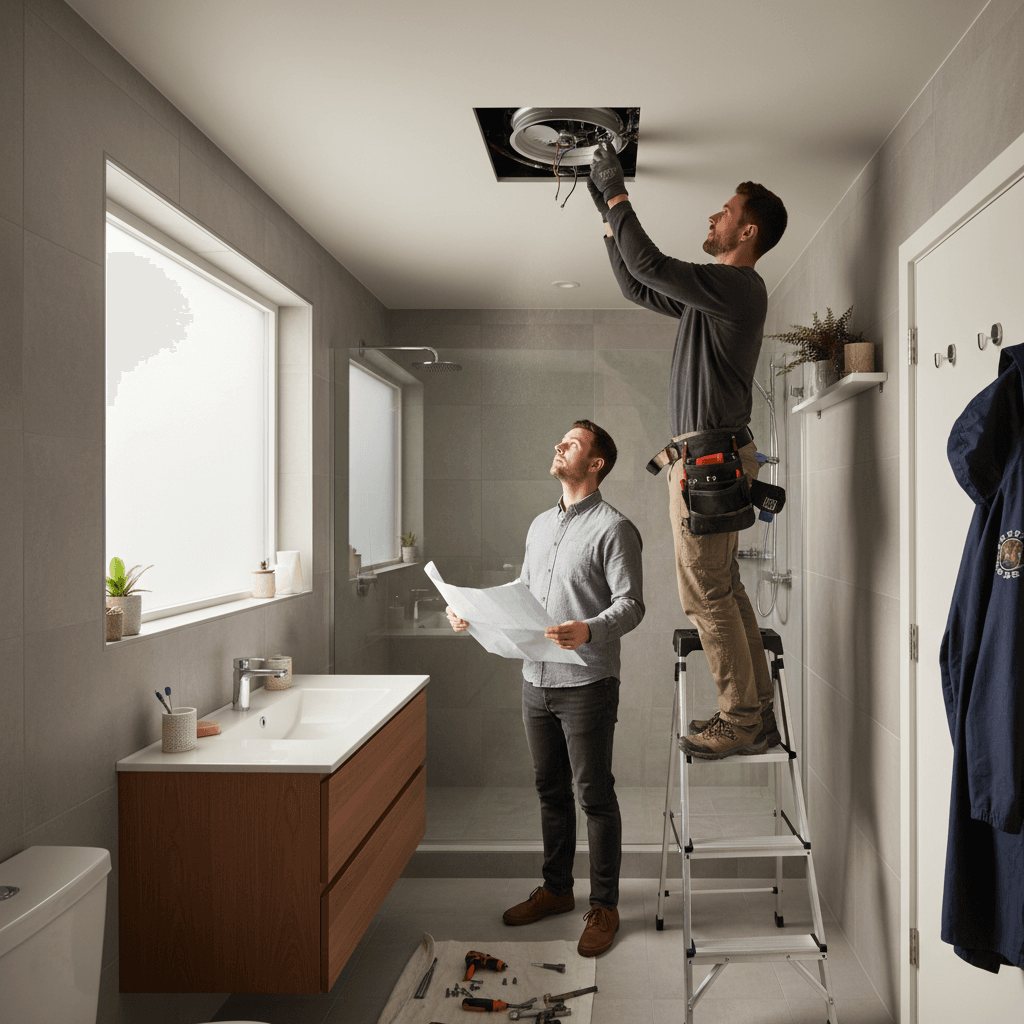
Proper bathroom ventilation is crucial for maintaining a healthy home environment in the Pacific Northwest. With Seattle's notorious moisture and humidity levels, a well-functioning exhaust fan isn't just a convenience—it's a necessity for preventing costly mold damage, structural issues, and health problems. Whether you're dealing with a broken fan motor, inadequate ventilation, or need a complete bathroom exhaust fan installation in Seattle, understanding your options can save you time, money, and frustration.
At Stanis LLC, we've helped countless homeowners throughout the Seattle metro area—from Bellevue to Redmond, Sammamish to Maple Valley—solve their bathroom ventilation challenges. This comprehensive guide will walk you through everything you need to know about bathroom exhaust fans, from identifying problems to understanding when professional installation is your best bet.
Why Proper Bathroom Ventilation Matters in the Seattle Area
Seattle's climate presents unique challenges for homeowners. Our region's high humidity levels, combined with frequent rainfall, create the perfect storm for moisture-related problems inside homes. Without adequate bathroom ventilation repair and maintenance, you're essentially inviting trouble.
Excess moisture from hot showers and baths needs somewhere to go. When it can't escape through proper ventilation, it condenses on walls, ceilings, and fixtures. This standing moisture creates ideal conditions for:
- Mold and mildew growth: Black mold can develop within 24-48 hours in moist conditions
- Paint and wallpaper peeling: Moisture causes adhesives to fail and paint to bubble
- Wood rot and structural damage: Wooden framing and subflooring can deteriorate over time
- Increased energy costs: Humid air feels warmer, leading to higher cooling costs
- Health issues: Poor air quality can trigger allergies and respiratory problems
The building codes in Seattle, Bellevue, Redmond, and surrounding areas require bathroom ventilation for good reason. Most jurisdictions mandate that bathrooms without windows have mechanical ventilation capable of moving at least 50 CFM (cubic feet per minute) of air.
Signs Your Bathroom Exhaust Fan Needs Attention
Recognizing the early warning signs of exhaust fan problems can prevent minor issues from becoming major headaches. Here are the most common indicators that you need professional bathroom ventilation repair:
Visible moisture problems are often the first sign homeowners notice. If you see condensation forming on mirrors that doesn't dissipate quickly, water droplets on walls or ceilings after showers, or foggy conditions that linger for hours, your ventilation system isn't keeping up with demand.
Unusual noises from your exhaust fan typically indicate mechanical problems. While some operational sound is normal, grinding, squealing, or rattling noises suggest worn bearings, loose components, or debris in the fan housing. A fan that's suddenly much louder than usual often signals impending failure.
Poor airflow is another telltale sign. Hold a tissue near the fan intake while it's running—if it doesn't draw the tissue toward the vent, or if you can barely feel air movement, the fan isn't functioning properly. This could indicate a clogged duct, damaged fan blade, or motor failure.
Electrical issues such as fans that won't turn on, intermittent operation, or lights flickering when the fan starts often require immediate professional attention for safety reasons.
Professional Installation vs. DIY: Making the Right Choice
The decision between hiring a professional for bathroom exhaust fan installation in Seattle versus tackling the project yourself depends on several factors, including your skill level, available time, and the complexity of your specific situation.
DIY installation might be suitable if you're replacing an existing fan with a similar model, have experience with basic electrical work, feel comfortable working in attic spaces, and have the necessary tools. However, even seemingly straightforward replacements can become complicated quickly.
Professional installation is recommended when you're adding ventilation where none existed previously, dealing with electrical issues or code compliance, installing in finished ceilings without existing access, upgrading to higher-capacity or specialty fans, or simply want warranty protection and peace of mind.
The risks of improper DIY installation include electrical hazards from incorrect wiring, inadequate ventilation due to improper sizing or ductwork, building code violations that could affect home sales or insurance, and potential structural damage from cutting ceiling joists or other support elements incorrectly.
In the Seattle area, most cities require electrical permits for new fan installations, and many homeowners find that the cost savings of DIY work disappear when factoring in tool purchases, permit fees, and potential rework costs.
Step-by-Step Guide to Bathroom Exhaust Fan Installation
For those considering a DIY approach to bathroom exhaust fan installation, here's a general overview of the process. However, remember that every situation is unique, and when in doubt, consult with professionals serving the Seattle, Bellevue, and Redmond areas.
Planning and preparation begins with selecting the right fan size. Calculate your bathroom's square footage and multiply by 1.1 to get the minimum CFM rating needed. For bathrooms larger than 100 square feet, add 50 CFM for each additional toilet, shower, or bathtub. Choose a fan location that provides optimal air circulation, typically near the shower or tub but not directly over them.
Safety first means turning off power at the circuit breaker and using a non-contact voltage tester to confirm power is off. Gather necessary tools including a reciprocating saw, drill, wire strippers, electrical tape, and safety equipment.
Installation steps involve marking and cutting the ceiling opening according to manufacturer specifications, running electrical cable from the switch location to the fan location (if not already present), securing the fan housing between ceiling joists or using adjustable brackets, connecting the electrical wiring following local codes, and installing the ductwork to route exhaust air outside.
Ductwork installation is often the most challenging aspect. The duct should be as short and straight as possible, with minimal bends that can restrict airflow. It must terminate outside the home—never in an attic, crawl space, or wall cavity. Use rigid or semi-rigid ducting when possible, as flexible ducts can sag and reduce efficiency.
Final connections include installing the fan cover or grille, connecting the switch (which may require additional electrical work), and testing the complete system for proper operation and airflow.
Choosing the Right Exhaust Fan for Seattle Homes
Selecting the appropriate exhaust fan for bathroom ventilation repair or new installation involves more than just picking the cheapest option at the hardware store. Seattle-area homes have specific needs that should influence your choice.
Fan capacity measured in CFM should match your bathroom size and usage patterns. Standard recommendations call for 1 CFM per square foot of bathroom space, with higher ratings for master bathrooms or spaces with multiple fixtures. However, in Seattle's humid climate, consider upgrading to a slightly higher capacity for better moisture control.
Noise levels measured in sones become important when fans run frequently. Look for units rated at 1.5 sones or lower for quiet operation. Many homeowners avoid using noisy fans, defeating their purpose entirely.
Energy efficiency has become increasingly important as utility costs rise. ENERGY STAR certified fans use 70% less energy than standard models and often qualify for utility rebates in the Seattle area.
Special features can enhance functionality and user experience. Timer switches ensure fans run long enough to clear moisture, humidity sensors activate fans automatically, and combination units with lights or heaters can save space while improving functionality.
Climate considerations for Pacific Northwest homes include selecting fans with sealed motors to prevent moisture damage and choosing units designed for frequent use, as Seattle's climate requires more ventilation than drier regions.
Cost Considerations and Budgeting
Understanding the financial aspects of bathroom exhaust fan installation in Seattle helps homeowners make informed decisions and avoid surprise expenses.
Equipment costs vary widely based on fan type and features. Basic replacement fans start around $30-50, while high-end units with advanced features can cost $200-400 or more. Factor in additional materials like ductwork, electrical components, and finishing materials that may be needed.
Professional installation costs in the Seattle metro area typically range from $200-600 for straightforward replacements, with new installations costing $400-800 or more depending on complexity. Factors affecting price include accessibility of the installation location, extent of electrical work required, ductwork modifications needed, and any necessary permit fees.
Long-term savings from proper ventilation often justify the initial investment. Preventing mold damage alone can save thousands of dollars in remediation costs. Energy-efficient fans also reduce utility bills over their 10-15 year lifespan.
Hidden costs to consider include permit fees required by many local jurisdictions, potential drywall or ceiling repairs after installation, and electrical panel upgrades if your current system can't handle additional loads.
Value-added benefits include increased home resale value, improved indoor air quality, reduced cleaning and maintenance needs, and potential insurance benefits from reduced moisture-related claims.
Maintenance Tips for Optimal Performance
Regular maintenance ensures your bathroom ventilation system continues providing effective bathroom ventilation repair prevention and optimal performance throughout Seattle's challenging climate conditions.
Monthly tasks should include visual inspections of the fan cover for dust buildup or damage and listening for unusual noises during operation. Clean the fan cover monthly by removing it and washing with warm, soapy water.
Quarterly maintenance involves checking airflow effectiveness using the tissue test mentioned earlier and inspecting visible ductwork for damage or disconnections. Look for signs of moisture problems that might indicate inadequate ventilation.
Annual professional service recommendations include having a qualified technician inspect and clean internal components, check electrical connections for safety and reliability, verify ductwork integrity and exterior termination points, and test overall system performance against manufacturer specifications.
Seasonal considerations for Seattle-area homes include extra attention during winter months when heating systems create additional humidity, and spring inspections after heavy rain seasons that might affect exterior vent terminations.
Warning signs that indicate immediate professional attention is needed include any electrical issues such as sparking or burning smells, complete loss of airflow, excessive noise or vibration, and visible signs of moisture damage around the fan or ductwork.
When to Call Professional Contractors
While some homeowners successfully tackle bathroom exhaust fan installation projects themselves, certain situations absolutely require professional expertise, especially given Seattle's specific building codes and climate challenges.
Electrical safety concerns should never be ignored. If you're uncomfortable working with electrical wiring, encounter unexpected wiring configurations, or discover code violations in existing installations, professional electricians have the training and tools to handle these situations safely.
Structural modifications often required for new installations or upgrades can affect your home's integrity if done incorrectly. This includes cutting ceiling joists, modifying ductwork routes, or installing fans in unconventional locations.
Code compliance in Seattle, Bellevue, Redmond, and surrounding areas requires specific knowledge of local building requirements. Professional contractors stay current with changing regulations and ensure installations meet all applicable codes.
Warranty protection from manufacturers often requires professional installation to remain valid. Given that quality exhaust fans represent significant investments, protecting warranty coverage makes financial sense.
Time and efficiency considerations favor professional installation when you need the work completed quickly, lack the necessary tools or experience, or want to avoid the learning curve associated with unfamiliar tasks.
Conclusion
Proper bathroom ventilation isn't optional in the Seattle area—it's essential for protecting your home and your family's health. Whether you need exhaust fan replacement in Bellevue, emergency bathroom ventilation repair, or complete new bathroom exhaust fan installation in Seattle, addressing these issues promptly prevents costly problems down the road.
From the moisture challenges unique to our Pacific Northwest climate to the specific building codes governing ventilation requirements, homeowners throughout Seattle, Redmond, Sammamish, Issaquah, Renton, and Maple Valley face distinct challenges that require local expertise and understanding.
Don't let inadequate bathroom ventilation compromise your home's value or your family's comfort. If you're experiencing any of the warning signs discussed in this guide, or if you're planning a bathroom renovation that includes ventilation upgrades, professional help is just a phone call away.
Ready to solve your bathroom ventilation challenges? Contact Stanis LLC Handyman & General Contractor today for expert assessment and professional installation services throughout the greater Seattle area. Our experienced team understands local codes, climate challenges, and the specific needs of Pacific Northwest homes. Email us at contact@handymanst.com or call to schedule your consultation and breathe easier knowing your bathroom ventilation is in capable hands.