
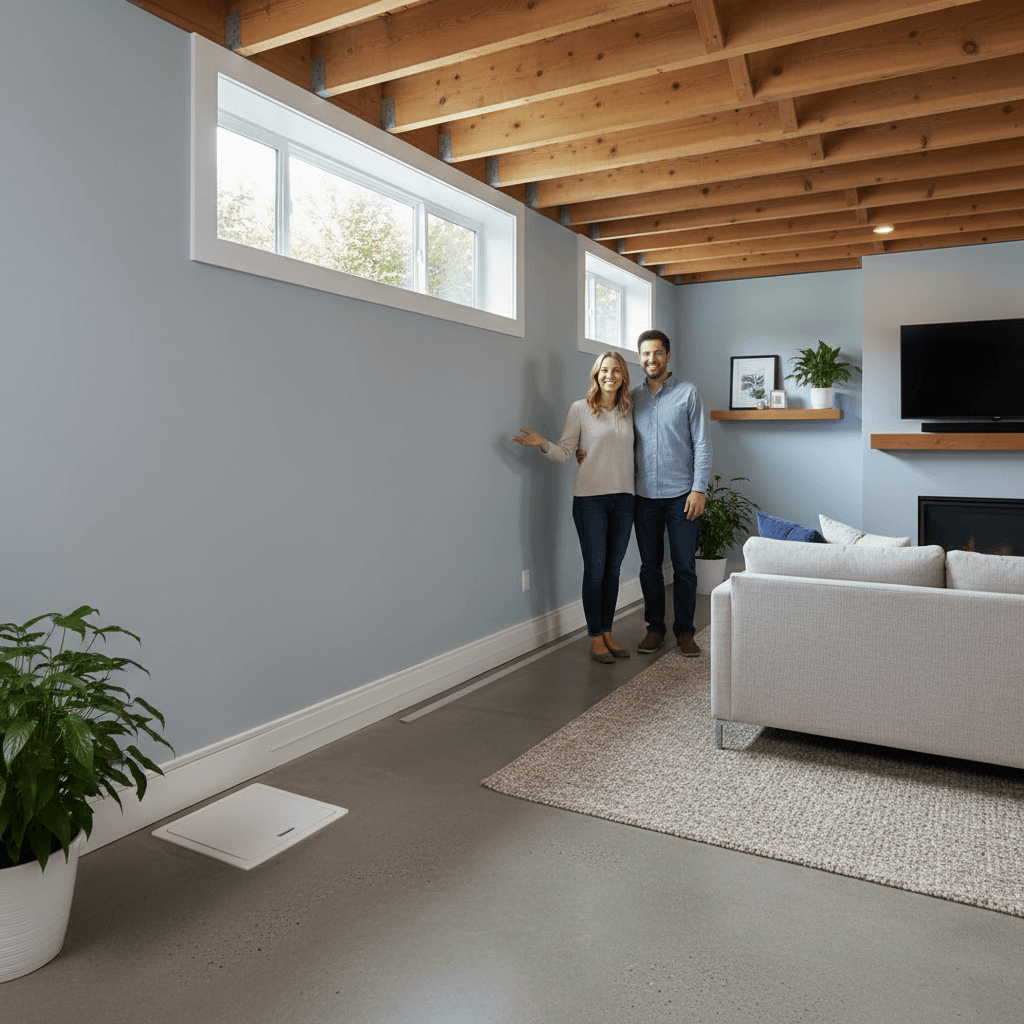
Living in the beautiful Pacific Northwest means embracing the region's natural beauty, but it also means dealing with one of nature's most persistent challenges: water. Seattle homeowners know all too well that heavy rainfall and saturated soils can wreak havoc on basement foundations. Whether you're in the heart of Seattle, the tech corridors of Redmond and Bellevue, or the family-friendly neighborhoods of Sammamish and Issaquah, basement waterproofing Seattle solutions are essential for protecting your home investment.
Water damage in basements isn't just an inconvenience—it's a serious threat to your home's structural integrity, indoor air quality, and overall value. From the rolling hills of Renton to the scenic landscapes of Maple Valley, Pacific Northwest homeowners face unique challenges that require specialized basement water damage prevention strategies. Understanding these challenges and implementing the right waterproofing solutions can save you thousands of dollars in repairs while keeping your family safe and comfortable.
Understanding Seattle's Unique Water Challenges
Seattle's climate presents a perfect storm of conditions that make basement waterproofing essential. The region receives an average of 38 inches of rainfall annually, with the wettest months typically occurring from October through May. This prolonged wet season, combined with the area's clay-heavy soils, creates hydrostatic pressure that constantly pushes water against foundation walls.
The Eastside communities, including Bellevue, Redmond, and Sammamish, sit on varied terrain that can complicate drainage patterns. Many homes in these areas were built on slopes or in areas with poor natural drainage, making them particularly susceptible to water intrusion. Additionally, the region's freeze-thaw cycles can create small cracks in foundation walls that expand over time, providing entry points for water.
Seattle foundation waterproofing becomes even more critical when you consider that many homes in the region have basements that serve as living spaces, home offices, or valuable storage areas. Unlike some parts of the country where basements are merely utility spaces, Pacific Northwest basements often represent significant square footage that homeowners rely on for their daily lives.
Common Signs of Basement Water Problems
Recognizing the early warning signs of water intrusion can help you address problems before they become costly disasters. Here are the key indicators that your home may need professional basement waterproofing:
Visible Water Stains: Look for dark streaks or discoloration on walls, especially near the foundation's base. These stains often appear after heavy rainfall and may fade as walls dry, but they indicate water is finding its way through your foundation.
Musty Odors: That characteristic basement smell isn't just unpleasant—it's often the first sign of moisture problems that can lead to mold and mildew growth. This is particularly common in Issaquah and Maple Valley homes, where dense tree coverage can reduce air circulation around foundations.
Efflorescence: White, chalky deposits on basement walls indicate that water is evaporating and leaving behind mineral deposits. This crystalline buildup is a clear sign that water is moving through your foundation materials.
Peeling Paint or Wallpaper: Moisture behind walls will eventually cause surface treatments to fail. If you notice bubbling paint or loose wallpaper in your basement, investigate immediately.
Humidity Issues: Consistently high humidity levels (above 60%) in your basement can indicate water intrusion even when no visible water is present. This is especially problematic in tightly sealed modern homes throughout the Seattle metro area.
Cracks in Foundation Walls: While small settling cracks are normal, any crack that you can insert a coin into represents a potential water entry point that needs attention.
Interior Waterproofing Solutions
Interior waterproofing methods focus on managing water that has already entered your basement and preventing it from causing damage. These solutions are often more cost-effective than exterior methods and can be highly effective for many Seattle-area homes.
Interior Drainage Systems: French drains installed along the basement perimeter collect water before it can pool on your basement floor. These systems channel water to a sump pump, which removes it from your home. For homes in Redmond and Bellevue with finished basements, modern interior drainage systems can be installed with minimal disruption to existing flooring.
Sump Pump Installation: A quality sump pump system is crucial for homes in flood-prone areas or properties with high water tables. Battery backup systems are essential in the Seattle area, where winter storms can cause power outages. Primary pumps should be sized appropriately for your home's needs—typically 1/3 to 1/2 horsepower for most residential applications.
Interior Sealants and Coatings: Hydraulic cement can effectively seal small cracks and holes in foundation walls. For larger areas, waterproofing paints and sealants create a moisture barrier. However, these solutions work best as part of a comprehensive waterproofing strategy rather than standalone fixes.
Dehumidification Systems: Whole-house dehumidifiers designed for basement installation can maintain optimal humidity levels year-round. This is particularly important in Sammamish and Issaquah, where homes are often surrounded by vegetation that increases local humidity levels.
Cost Considerations for Interior Solutions:
- Interior drainage system: $3,000-$8,000
- Sump pump installation: $1,200-$3,500
- Professional crack sealing: $300-$800 per crack
- Basement dehumidifier: $1,500-$4,000
Exterior Waterproofing Methods
Exterior waterproofing addresses water problems at their source by preventing water from reaching your foundation walls. While more involved than interior solutions, exterior methods often provide the most comprehensive long-term protection.
Foundation Excavation and Waterproofing: This comprehensive approach involves excavating around your foundation to apply waterproof membranes directly to exterior walls. Modern waterproofing membranes can last 20-30 years when properly installed. This method is particularly effective for homes in Renton and Maple Valley, where clay soils retain water against foundation walls.
Exterior Drainage Systems: French drains installed around your home's perimeter redirect groundwater away from your foundation. These systems work in conjunction with proper grading to ensure water flows away from your home rather than pooling against foundation walls.
Foundation Wall Treatments: Applying waterproof coatings or installing drainage boards against exterior foundation walls creates a barrier that prevents water penetration while allowing any trapped moisture to escape.
Waterproof Membrane Installation: Modern polymer and rubber membranes provide excellent protection when properly installed. These materials are flexible enough to accommodate minor foundation movement while maintaining their waterproof seal.
Cost Considerations for Exterior Solutions:
- Full foundation excavation and waterproofing: $15,000-$35,000
- Exterior French drain system: $8,000-$15,000
- Foundation membrane application: $8-$15 per square foot
Drainage and Grading Improvements
Proper drainage is often the most cost-effective way to prevent basement water problems. Many water intrusion issues in Seattle-area homes stem from poor drainage rather than foundation defects.
Landscape Grading: Your home's surrounding grade should slope away from the foundation at a minimum rate of 6 inches over the first 10 feet. This simple principle prevents surface water from pooling against your foundation walls. Many properties in Bellevue and Redmond require grading improvements due to settling that has occurred over time.
Gutter and Downspout Management: Properly functioning gutters are your first line of defense against water intrusion. Gutters should be cleaned regularly and sized appropriately for your roof area. Downspouts must direct water at least 6 feet away from your foundation, and in clay soil areas common throughout the Seattle region, this distance should be even greater.
Window Well Drainage: Basement window wells are common failure points for water intrusion. Installing window well covers and ensuring proper drainage around these areas prevents water from accumulating and finding its way into your basement.
Surface Water Management: Installing channel drains or area drains in problematic spots helps manage surface water before it becomes a foundation threat. This is particularly important for homes in Issaquah and Sammamish, where sloped lots can direct significant water flow toward foundations.
Step-by-Step Grading Improvement Process:
- Identify areas where water pools near your foundation
- Calculate the required slope (6 inches per 10 feet minimum)
- Remove or add soil as needed to achieve proper grading
- Compact soil in layers to prevent settling
- Install appropriate ground cover to prevent erosion
- Monitor during the next heavy rainfall to ensure effectiveness
Professional Assessment and Installation
While some basement waterproofing tasks can be DIY projects, professional assessment is crucial for developing an effective long-term strategy. Experienced contractors understand the unique challenges facing Seattle-area homes and can identify problems that might not be obvious to homeowners.
When to Call Professionals: If you're dealing with active water intrusion, structural cracks wider than 1/4 inch, or recurring moisture problems despite your best efforts, professional intervention is necessary. Additionally, any work involving electrical systems near water sources should always be handled by licensed professionals.
Professional Assessment Benefits: Experienced waterproofing contractors can identify the root cause of water problems rather than just treating symptoms. They understand how Seattle's unique soil conditions, rainfall patterns, and building practices affect different neighborhoods throughout the region.
Choosing the Right Contractor: Look for contractors with specific experience in Seattle-area waterproofing challenges. They should be licensed, bonded, and insured, with references from recent projects in your area. Contractors familiar with local building codes and permit requirements can ensure your waterproofing project complies with all regulations.
What to Expect from Professional Installation: Quality contractors will provide detailed proposals outlining the scope of work, materials to be used, and project timelines. They should also explain how their solution addresses your specific water intrusion problems and provide warranties on their work.
DIY Waterproofing Tips and When to Call Experts
Homeowners can tackle certain waterproofing tasks themselves, but it's important to understand the limitations of DIY approaches and recognize when professional help is necessary.
DIY-Friendly Projects:
- Sealing minor cracks with hydraulic cement
- Improving drainage around your home
- Installing or maintaining gutters and downspouts
- Applying waterproof coatings to interior walls
- Basic sump pump maintenance
Step-by-Step DIY Crack Sealing:
- Clean the crack thoroughly, removing loose debris
- Dampen the crack with water (hydraulic cement bonds better to damp surfaces)
- Mix hydraulic cement according to manufacturer instructions
- Apply cement to the crack, working from bottom to top
- Shape the repair to match the surrounding wall surface
- Allow to cure according to product specifications
- Monitor the repair during subsequent rainfall
When Professional Help is Essential:
- Installing interior drainage systems
- Major foundation repairs
- Electrical work related to sump pumps
- Exterior excavation projects
- Structural issues or large foundation cracks
Cost-Saving DIY Maintenance Tips:
- Clean gutters twice annually
- Inspect foundation walls seasonally
- Test sump pumps before each rainy season
- Maintain proper grading around your home
- Address minor issues before they become major problems
The investment in proper maintenance can significantly extend the life of your waterproofing systems and prevent costly emergency repairs.
Conclusion
Protecting your Seattle-area home from water damage requires a proactive approach that addresses the unique challenges of Pacific Northwest living. Whether you're dealing with the clay soils of Bellevue and Redmond, the sloped lots common in Sammamish and Issaquah, or the varied terrain found throughout Renton and Maple Valley, effective basement waterproofing Seattle solutions are essential for maintaining your home's value and your family's comfort.
The key to successful basement waterproofing lies in understanding that every home is unique. Factors such as soil conditions, lot grading, construction methods, and local drainage patterns all influence the best approach for your specific situation. While some homeowners can address minor issues through DIY methods, comprehensive waterproofing typically requires professional expertise to ensure long-term effectiveness.
Remember that basement water damage prevention is always more cost-effective than dealing with the aftermath of water intrusion. Mold remediation, structural repairs, and replacing damaged belongings can cost tens of thousands of dollars—far more than investing in proper waterproofing from the start.
Seattle foundation waterproofing isn't just about keeping water out; it's about protecting your investment, maintaining healthy indoor air quality, and ensuring your basement remains a usable, comfortable space for years to come. Whether you choose interior solutions, exterior waterproofing, or a combination approach, the important thing is to act before water problems become water disasters.
Don't wait until the next heavy rainfall season to address your basement water concerns. Contact Stanis LLC Handyman & General Contractor today at contact@handymanst.com for a comprehensive assessment of your home's waterproofing needs. Our experienced team understands the unique challenges facing Seattle-area homeowners and can develop a customized solution that fits your budget and protects your home for years to come.